
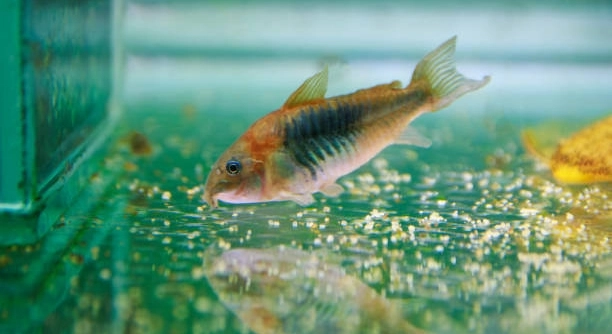
Corydoras catfish are popular aquarium fish known for their friendly nature and active behavior. However, if your corydoras is losing its barbels, this could indicate potential issues that need addressing. Understanding the cause is important.
Barbel loss in corydoras catfish is often due to poor water quality, injury, improper diet, or disease. These factors can lead to stress and hinder the fish’s ability to grow or maintain healthy barbels.
Proper care and attention to water conditions, feeding, and general health can prevent further damage.
Water Quality Issues
Poor water quality is one of the most common reasons your corydoras catfish might be losing its barbels. If your tank has high levels of ammonia, nitrites, or nitrates, it can cause severe stress on your fish. Corydoras are sensitive to their environment, and poor water conditions can make it difficult for them to heal or grow new barbels. Keeping the water clean and regularly testing it for harmful chemicals is essential for your fish’s well-being. If the water quality is off, your fish may suffer from skin or fin damage, affecting the barbels.
Maintaining stable water conditions will not only help prevent barbel loss but also ensure the overall health of your corydoras.
To keep water quality in check, ensure you have a good filtration system in place and change the water regularly. Test for ammonia, nitrites, and nitrates frequently, and keep the temperature and pH levels consistent. Your corydoras will thrive when the water is properly managed, reducing the risk of barbel damage.
Injuries and Tankmates
If your corydoras are losing barbels, tankmates may be to blame. Aggressive species can nip at their delicate barbels, leading to injury. This is especially true in tanks with territorial or fin-nipping fish. Ensure your tank has peaceful species that won’t harm your corydoras.
Injuries from tankmates can also lead to infections. Once a barbel is damaged, it can be more susceptible to bacteria or fungi, which may cause further issues. It’s important to monitor how the other fish interact with your corydoras to prevent this type of damage.
If you notice your corydoras’ barbels are being damaged by other fish, you might need to adjust the tank setup. Consider adding more hiding spots or separating the more aggressive fish. This way, your corydoras can avoid unnecessary harm, giving them the best chance for recovery.
Improper Diet
A lack of proper nutrition can contribute to your corydoras losing its barbels. Corydoras catfish need a balanced diet that includes high-quality sinking pellets, frozen or live food, and occasional vegetable matter. Without the right nutrients, they may not develop or maintain healthy barbels. If you’re feeding them only one type of food or not offering enough variety, their health may suffer, leading to barbel loss.
Malnutrition can also weaken your corydoras’ immune system, making them more susceptible to infections. A poor diet prevents them from properly recovering if they suffer injuries or stress. To avoid this, rotate their food to ensure they’re getting everything they need. Offering a variety of food types can support their health, including their barbels.
Adding some variety, such as frozen bloodworms, brine shrimp, or daphnia, helps ensure they’re getting all the necessary nutrients. Offering high-quality food will allow your corydoras to thrive, keeping their barbels intact and supporting their overall health.
Disease or Infection
Barbel loss can also be a sign of a bacterial or fungal infection in corydoras. If they’re exposed to harmful pathogens, it can lead to damaged barbels. A common issue is mouth fungus, which causes lesions and may result in barbels becoming weak or falling off.
Infections can spread quickly if not treated. Look for signs of unusual behavior like rubbing against objects, a lack of appetite, or cloudy eyes. If your corydoras has damaged barbels, take immediate action to clean the tank and quarantine any sick fish to prevent the infection from spreading.
Treating the infection early is critical. Use appropriate medications and follow the instructions carefully to avoid further damage to your corydoras. Additionally, keep the water conditions optimal to help them recover faster. Regular tank maintenance will also reduce the risk of infections in the future.
Stress
Stress is another factor that can cause your corydoras to lose its barbels. Stress weakens their immune system, making them more vulnerable to other health issues. This can result from overcrowded tanks, sudden temperature changes, or frequent disturbances. Corydoras need a calm environment to thrive.
High-stress levels can lead to physical changes, including the loss of barbels. A stressed fish might rub against tank surfaces, showing signs of discomfort. Avoiding sudden changes in the environment, such as adding new tankmates or altering water parameters, can help keep your corydoras stress-free.
Providing them with enough hiding places and stable water conditions will help reduce stress and prevent further damage. When their stress levels are low, your corydoras will be better able to maintain their health and barbels.
Tank Setup
The setup of your aquarium can impact your corydoras’ health. If the tank has sharp objects or rough surfaces, it can cause physical damage to their barbels. Corydoras use their barbels to navigate, and rough surroundings can lead to wear and tear.
A well-planted tank with soft decorations is ideal for corydoras. Avoid sharp rocks or decorations that might injure your fish. Using fine gravel or sand for the substrate will also help, as corydoras spend time at the bottom of the tank. A safe, comfortable environment will reduce the risk of injury.
Ensuring the tank is appropriately set up with gentle, smooth surfaces encourages your corydoras to move around safely. Regularly check the aquarium’s contents for damage, and always make adjustments if anything appears unsafe. A secure setup will protect their barbels.
Overbreeding
Overbreeding can sometimes lead to problems with your corydoras. When fish are bred too often, they may become weak, affecting their health. This can cause problems with their barbels, as their immune systems can be overwhelmed by constant reproduction demands.
Frequent breeding puts a strain on the fish, and their health may deteriorate over time. This can make them more vulnerable to injuries and infections, which could result in the loss of their barbels. Ensuring your corydoras are bred responsibly is crucial for their long-term health.
Controlling the breeding cycle can help prevent overbreeding and support the overall health of your corydoras. Providing them with a stable environment and focusing on maintaining their health will keep their barbels intact for longer periods.
FAQ
Why are my corydoras catfish losing their barbels?
The most common reasons for barbel loss in corydoras are poor water quality, injury, disease, stress, and improper diet. Poor water conditions can cause stress, weakening the fish and leading to barbel damage. Injuries from tankmates, or even sharp tank decor, can result in the barbels being lost or damaged. If your fish are stressed or suffering from infections, their barbels may also be affected. Finally, a lack of proper nutrition can hinder their health, making them more prone to barbel issues.
How can I prevent barbel loss in my corydoras?
Maintaining good water quality, offering a balanced diet, and ensuring a peaceful tank environment are the best ways to prevent barbel loss. Regular water changes, proper filtration, and frequent water testing will keep the tank conditions optimal. A varied diet of high-quality sinking pellets, frozen food, and vegetables will help your corydoras stay healthy. Avoid sharp objects in the tank, and ensure tankmates are peaceful to prevent injuries.
Can my corydoras recover if they lose their barbels?
Yes, corydoras can recover from barbel loss, but the process can take time. If the barbel loss is due to injury or infection, addressing the cause and ensuring the fish has a proper recovery environment can help. Regular water changes, a stress-free tank, and a balanced diet will support their healing. However, if the loss is severe or due to long-term poor conditions, regrowth may be slower or not happen at all.
Is it normal for corydoras to lose their barbels?
It is not normal for corydoras to lose their barbels regularly. Barbels are essential for their navigation and feeding. Loss of barbels can indicate underlying issues like poor water quality, injury, or a lack of proper care. If you notice barbel loss in your corydoras, it is important to address the root cause to prevent further damage.
How do I know if my corydoras has an infection causing barbel loss?
Infections often show signs like swelling, lesions, discoloration, or cloudy eyes. If you see these symptoms along with barbel loss, your corydoras might be infected. Another sign of infection is a lack of appetite or lethargy. If you suspect an infection, it’s important to isolate the affected fish and treat the tank with the appropriate medication.
Do corydoras need special care to maintain their barbels?
Corydoras do require proper care to maintain their health and barbels. This includes stable water conditions, a balanced diet, and a peaceful tank setup. Regular water changes, gentle filtration, and avoiding sharp objects in the tank will help keep their barbels safe. They are sensitive to their environment, so providing optimal conditions is crucial for their well-being.
Can poor diet cause barbel loss in corydoras?
Yes, a poor diet can lead to barbel loss in corydoras. If your fish are not getting the right nutrients, their overall health can decline, and they may become more vulnerable to injuries or infections. Feeding them a variety of high-quality sinking pellets, frozen foods like bloodworms or brine shrimp, and occasional plant matter can help maintain their health, including their barbels.
How do I know if my corydoras is stressed and losing its barbels?
Signs of stress in corydoras include erratic swimming, rubbing against objects, hiding more than usual, and poor appetite. Stress can weaken the immune system and cause physical damage, including barbel loss. Common stressors include poor water quality, aggressive tankmates, overcrowding, and sudden changes in the tank environment. Addressing these stressors promptly will help your corydoras recover and prevent further damage.
Are certain types of corydoras more prone to barbel loss than others?
All types of corydoras are generally prone to barbel loss if they experience poor care, poor water conditions, or injury. However, some species may be more sensitive to certain environmental factors, such as water quality or temperature fluctuations. It is important to understand the specific needs of the species you have and ensure they are being met to prevent barbel loss.
Can I use medications to treat barbel loss in corydoras?
Medications can be useful if barbel loss is caused by an infection or injury. Antibacterial or antifungal treatments may help prevent further damage if an infection is suspected. However, treating the root cause of the issue, such as improving water quality or addressing stress, is equally important for recovery. Always follow the dosage instructions carefully when using medication and consider isolating the affected fish if necessary.
What should I do if multiple corydoras are losing their barbels?
If multiple corydoras are losing their barbels, it is likely that there is an issue with the water quality, tankmates, or environment. Check the water parameters immediately, ensuring ammonia, nitrites, and nitrates are within safe levels. Look for signs of aggression from other fish or sharp objects in the tank that could be causing injury. If infections are present, treat the tank with the appropriate medication.
Can I prevent barbel loss by adjusting the water temperature?
Maintaining a stable water temperature is important for the overall health of your corydoras. While adjusting the temperature may not directly prevent barbel loss, sudden changes in temperature can cause stress, which may contribute to barbel damage. Keep the temperature within the ideal range of 72-78°F (22-26°C) to promote their health and well-being.
How long does it take for corydoras to regrow their barbels?
Regrowth of barbels can take time, and the process can vary depending on the severity of the damage and the overall health of the fish. In ideal conditions, it may take several weeks to a few months for corydoras to regrow their barbels. However, if the barbel loss is due to a long-term issue, such as poor water quality or chronic stress, regrowth may not occur.
Can I add new tankmates to an aquarium with corydoras that are losing their barbels?
Before adding new tankmates, ensure that the current issue of barbel loss is addressed. If the cause is aggression from existing fish, adding more tankmates could increase stress. Ensure the tank is peaceful, with compatible species, and that water quality is optimal. Adding new fish to a stressed tank may worsen the problem, so make sure the environment is stable first.
Is it necessary to quarantine corydoras that are losing their barbels?
Quarantining fish with barbel loss is a good idea, especially if the issue may be due to an infection or injury. Isolating the affected fish can prevent the spread of potential diseases to other fish in the tank. It also gives you the opportunity to treat the fish with appropriate medication while ensuring that the main tank remains unaffected.
How can I tell if my corydoras’ barbel loss is caused by tankmates?
If other fish in the tank are being aggressive towards the corydoras, you may notice signs of injury such as torn fins or missing barbels. Aggressive or territorial fish often target the barbels, causing them to be chewed or ripped off. Watch for behavioral changes, such as corydoras hiding more or avoiding certain areas of the tank.
Final Thoughts
Barbel loss in corydoras catfish can be a troubling issue, but with the right care and attention, you can help your fish recover and thrive. The most important step in addressing barbel loss is identifying the root cause, whether it is poor water quality, injury, stress, or a lack of proper nutrition. Once the issue is identified, making the necessary adjustments in the tank environment and the care routine will significantly improve the chances of your corydoras regrowing their barbels and staying healthy.
Maintaining a stable, clean, and peaceful environment is key to preventing future barbel loss. Regular water changes, monitoring water parameters, and ensuring there are no sharp objects in the tank can go a long way in keeping your corydoras safe from harm. If you notice any signs of infection or disease, address them immediately by isolating the affected fish and using appropriate treatments. A well-balanced diet, including sinking pellets and occasional treats, will help keep your fish strong and reduce their vulnerability to health problems.
Lastly, while barbel loss can be concerning, it is important to remain patient and allow your corydoras the time they need to recover. In many cases, with proper care, the fish will regain their health and their barbels. If the loss is severe or persistent, seeking the advice of a veterinarian who specializes in fish can provide additional guidance. By staying proactive and attentive to their needs, you can ensure that your corydoras continue to thrive in their aquatic home.

Hello,
If you enjoy the content that we create, please consider saying a "Thank You!" by leaving a tip.
Every little bit helps us continue crafting quality advice that supports the health, happiness, and well-being of pets around the world, for pets of all shapes, sizes, and species.
We really appreciate the kindness and support that you show us!