
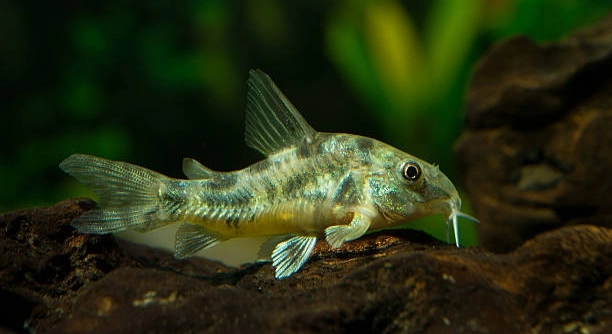
Have you noticed your Corydoras catfish acting less lively than usual, spending more time hiding than exploring or playing around? Changes in their behavior can be subtle but often indicate that something in their environment needs attention.
The most common reasons your Corydoras catfish may be less playful include poor water quality, inadequate tank size, stress, illness, incompatible tank mates, lack of enrichment, and changes in lighting or temperature.
Understanding these factors can help you create a healthier, more active environment that supports your Corydoras catfish’s natural behavior and long-term wellbeing.
Poor Water Quality
Corydoras catfish are sensitive to their surroundings, especially when it comes to water quality. If ammonia or nitrite levels are too high, or if nitrates creep above safe levels, it can affect their activity. Sudden pH changes or unsteady water parameters can cause discomfort, stress, and sluggish behavior. Dirty substrate or leftover food can also release toxins into the tank, which stresses your fish over time. Even though Corydoras are hardy, consistent exposure to poor water conditions can make them less playful and more withdrawn. Regular water testing and proper filtration are important to maintain a stable environment they can thrive in.
Daily water checks may not be necessary, but weekly tests are helpful in spotting any shifts early.
Use a gravel vacuum during water changes to clean the substrate where waste collects. Replace 25-30% of the water weekly, and avoid overfeeding to prevent decaying food. Stick to a regular maintenance schedule.
Inadequate Tank Size
A small tank can limit your Corydoras catfish’s movement and reduce their interest in exploring. These fish are active bottom dwellers that need space to swim and forage together comfortably.
Corydoras do best in groups of at least five or six. In small tanks, their schooling behavior becomes restricted, which makes them shy or inactive. Tanks under 20 gallons often do not provide enough room for them to interact naturally or escape from more dominant fish. Space constraints can also lead to territorial stress, especially if they share the tank with other species. In a properly sized tank, your Corydoras will have enough room to sift through the substrate, explore, and rest when needed. More space also helps maintain better water quality, since a larger volume of water can dilute toxins more efficiently. If your Corydoras are less playful and your tank is under 20 gallons, consider upgrading to a larger setup that supports their social nature and need for exploration.
Stress from Tank Mates
Corydoras catfish can become withdrawn if they are housed with aggressive or overly active fish. Constant chasing or fin nipping causes stress, leading them to hide more and play less.
When housed with fast-moving or territorial fish, Corydoras may feel unsafe exploring the tank. Even non-aggressive fish that occupy the bottom can cause tension by invading their space or outcompeting them for food. Overcrowding can make this worse, leaving little room for retreat. Observing how other fish interact with your Corydoras can help you identify if they’re the source of stress. If needed, move aggressive species to another tank. Choosing peaceful tank mates like tetras, rasboras, or small livebearers allows Corydoras to thrive. A calm environment encourages them to swim freely and forage along the bottom without fear.
Stress can also build up from constant disturbances like tapping on the glass or frequent rearranging of decor. Keep handling and sudden changes to a minimum. Try adding more hiding spots such as plants, caves, or driftwood to give them space to retreat. These safe spaces help reduce anxiety and allow them to feel more secure in their environment. A peaceful setup with the right tank mates often brings back their active nature.
Illness or Injury
A sudden drop in energy or movement can be a sign your Corydoras isn’t feeling well. Illness often shows up through symptoms like clamped fins, loss of appetite, or erratic swimming.
Common issues include bacterial infections, internal parasites, or skin problems like fungus or fin rot. If your Corydoras becomes sluggish and stays in one spot, it’s worth checking for signs of illness. Water quality problems, old age, or physical injuries from rough decor can also affect their activity. A separate hospital tank can be useful for treatment without stressing other fish. If multiple fish show symptoms, treating the main tank may be necessary. Make sure to research any medications before use, as some can harm beneficial bacteria in your filter.
Keep an eye on behavior changes and do weekly visual checks. Quick action can prevent problems from spreading and give your Corydoras a better chance at a full recovery.
Lack of Enrichment
A plain tank can lead to boredom for Corydoras catfish. Without places to explore or forage, they may lose interest in their surroundings and become less active during the day.
Adding driftwood, smooth rocks, and live plants encourages natural behavior. Small changes like scattered sinking pellets can keep them engaged.
Changes in Lighting or Temperature
Lighting that is too bright or inconsistent can make Corydoras feel exposed. They prefer dim environments where they can move comfortably without stress. Bright lights may cause them to hide more often and explore less during the day. Sudden changes in light schedule can also throw off their natural rhythm.
Temperature swings or water that is too cold will affect their energy. Corydoras are most active between 72°F and 78°F. If the tank is too cool, they become sluggish and inactive. Use a reliable heater and thermometer to maintain stable conditions and prevent unexpected drops.
FAQ
Why is my Corydoras hiding all the time?
Corydoras often hide when they feel unsafe or stressed. This can be caused by aggressive tank mates, bright lighting, or sudden changes in their environment. If the tank is too noisy, crowded, or lacking in hiding places, they may choose to stay hidden most of the time. Poor water conditions or illness can also cause hiding behavior. Try providing plants, caves, or driftwood so they feel secure enough to explore. Observe how they interact with other fish and check water parameters regularly to rule out discomfort or aggression from tank mates.
Can Corydoras get depressed or bored?
While fish do not experience emotions the same way humans do, Corydoras can become inactive if they are bored or not mentally stimulated. A bare tank with little space to explore or interact with can reduce their natural behaviors. They enjoy foraging, exploring, and staying in groups. Without those activities, they may stop being playful. Add décor, hiding spots, or rotate their environment gently to keep things interesting. Offering a variety of sinking foods and keeping them in proper shoals also helps maintain their normal, active habits.
How many Corydoras should I keep together?
Corydoras are social fish and thrive when kept in groups. The minimum recommended number is five, but six or more is better. When kept alone or in pairs, they tend to be shy and less active. Larger groups provide a sense of safety and allow natural schooling behavior. If your Corydoras are not moving much, count how many you have. Adding a few more may help them feel more comfortable and playful, especially in a tank that has enough room for them to swim and forage.
What temperature is best for Corydoras catfish?
Most Corydoras species do best in water temperatures between 72°F and 78°F. Some types, like Corydoras sterbai, prefer slightly warmer conditions, while others, like Corydoras paleatus, tolerate cooler water. If the water is too cold or fluctuates too much, your fish may become sluggish or stressed. Using a heater and checking the temperature regularly can help you keep it stable. Avoid placing the tank near windows or heaters, as this can cause rapid changes. Keeping the temperature consistent will support their activity and overall health.
Do Corydoras need a specific type of substrate?
Yes, soft substrates like sand are ideal for Corydoras. They use their sensitive barbels to sift through the bottom in search of food. Gravel that is too rough can damage their barbels, leading to infections or a loss of interest in foraging. If you notice your Corydoras aren’t sifting as much or seem uncomfortable, consider switching to fine sand. This allows them to engage in their natural behaviors safely. Keeping the substrate clean is just as important, so remove uneaten food and waste during water changes.
Can overfeeding affect their playfulness?
Yes, overfeeding can lead to sluggish behavior in Corydoras. If they are given too much food, especially rich or fatty types, they may become less active. Uneaten food can also lower water quality, which directly affects their health and energy. Offer small amounts of food once or twice a day, and only what they can eat within a few minutes. Sinking pellets, frozen foods, and vegetables in moderation help maintain their interest and physical condition. A proper feeding schedule supports a more active and playful tank.
How can I tell if my Corydoras is sick?
Signs of illness in Corydoras include clamped fins, pale coloration, unusual swimming patterns, or changes in eating habits. If your fish becomes suddenly inactive, hides constantly, or separates from the group, these may also be early signs. Look for any visible spots, redness, or bloating. A sick Corydoras may breathe heavily or stay at the surface. Quarantining the affected fish and adjusting water quality should be your first step. Treat with appropriate medication only after identifying the issue. Keeping the tank clean and avoiding overcrowding helps prevent most health issues.
What kind of lighting do Corydoras prefer?
Corydoras feel more at ease in dim or moderate lighting. Bright lights can make them uncomfortable, especially if there aren’t enough hiding spots. Too much light often leads to hiding behavior during the day. You can reduce this by using floating plants to soften the light or choosing LED settings with adjustable brightness. Set a consistent light schedule—around 8 to 10 hours a day is usually fine. A calm lighting setup encourages your Corydoras to explore more and stick to their usual routine without feeling stressed.
Is it normal for Corydoras to sleep during the day?
Corydoras are more active during dawn and dusk, but they do rest at intervals throughout the day. If your fish is lying still but still alert and breathing steadily, it may just be resting. However, if it remains motionless for long periods or shows signs of illness, you should investigate further. Make sure the tank conditions are stable and that the fish is not being bullied or affected by temperature shifts. Normal resting behavior should be balanced with regular activity, especially around feeding time.
Final Thoughts
Corydoras catfish are known for being playful, social, and active in the right environment. When they begin acting differently, such as hiding more or moving less, it usually means something in their surroundings has changed. These changes are often easy to fix once you understand what your fish need. Small details like group size, water conditions, tank setup, and feeding habits all have a strong effect on their behavior. Paying attention to these areas can help you bring back their normal, active personality. While every fish is different, most Corydoras will return to their usual habits with the right care.
Environmental stress is one of the most common reasons Corydoras become less playful. Things like poor water quality, bright lights, or a rough substrate can lead them to stay still or hide. They also rely on having other Corydoras nearby. Being in a group makes them feel safer and encourages natural behavior like swimming and foraging together. Even feeding can make a difference—too much food can slow them down, while the right diet keeps them healthy and active. Watching your fish closely and learning their patterns can help you catch problems early and respond quickly before they become serious.
Making small changes to support your Corydoras can lead to big improvements. Adding a few more fish to their group, giving them a softer bottom to explore, or adjusting lighting levels can all help. Clean water, proper temperature, and gentle tank mates create the kind of setting they need to stay happy. These are calm fish that do not need much to thrive, but they do need consistency and the right care. When their needs are met, Corydoras are curious and full of movement. Keeping an eye on their comfort will go a long way in making sure they stay healthy, relaxed, and playful for a long time.

Hello,
If you enjoy the content that we create, please consider saying a "Thank You!" by leaving a tip.
Every little bit helps us continue crafting quality advice that supports the health, happiness, and well-being of pets around the world, for pets of all shapes, sizes, and species.
We really appreciate the kindness and support that you show us!