
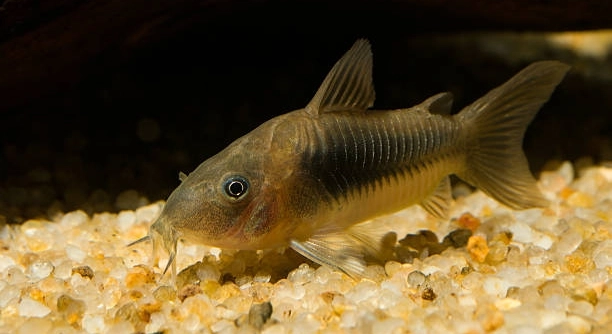
Corydoras catfish are popular aquarium fish, known for their peaceful nature and love of hiding. However, if your fish start hiding more after a tank rearrangement, it can be concerning. Understanding why this happens can help.
A Corydoras catfish may hide more after a tank rearrangement due to increased stress or a change in its environment. The rearranged layout might have altered their familiar spaces, making them feel insecure or exposed.
Several factors contribute to this behavior, and identifying them will help create a more comfortable environment for your fish. Keep reading to find out how to make your tank a better place for your Corydoras.
Stress from Changes in the Environment
When you rearrange the tank, your Corydoras may feel stressed. These fish are creatures of habit, and even small changes in their environment can affect them. They tend to establish territories and hide in specific spots, so altering the layout might make them feel unsafe. This stress leads them to hide more often, as they seek comfort and security in familiar areas.
The change in scenery can cause confusion, leading to a more cautious nature. They might not feel as confident exploring the new setup, especially if it affects their hiding spots. This temporary behavior should subside once they adjust to the new environment, but in the meantime, it’s important to give them time to settle.
Ensuring that they have enough hiding spots and quiet areas in the tank can reduce stress. The use of plants, caves, and rocks can help replicate their natural environment. Over time, they will become more accustomed to the new layout and will gradually return to their normal behavior. Patience is key when helping your Corydoras adjust.
Changes in Water Quality
Water conditions play a huge role in a Corydoras’ comfort. Rearranging the tank could stir up debris or even affect the water’s chemistry.
Changes like a drop in oxygen levels, altered pH, or increased ammonia can stress these fish. They are sensitive to water quality and may retreat into hiding to avoid discomfort. Testing your water parameters after a rearrangement is a good practice to make sure everything is in balance.
If the water quality isn’t optimal, your Corydoras might feel unsafe, causing them to stay hidden longer. Ensuring a proper filtration system and regular water changes will help keep the water clean and stable. Consider using a water conditioner to reduce chlorine or chloramine levels if necessary. Healthy water conditions lead to happier fish and better behavior in your tank.
Fear of New Tank Mates or Decorations
Sometimes, it’s not just the rearrangement itself but the addition of new fish or decorations that affects your Corydoras. These catfish are often shy, and new tank mates may intimidate them. If the fish are territorial or aggressive, the Corydoras might choose to hide even more often to avoid confrontation.
Similarly, new decorations or changes in existing ones can disrupt their sense of security. Corydoras are bottom dwellers, and when their familiar structures are moved or replaced, they might feel less confident. Some decorations can also block their usual swimming paths, forcing them to retreat to unfamiliar hiding places. Over time, they will adjust to these changes, but this process can take a little while. It’s important to monitor their interactions and ensure they have enough safe spaces to hide and feel secure.
By carefully considering how new tank mates and decorations might affect your Corydoras, you can create a more peaceful environment for them. This will help them feel less stressed and more comfortable exploring their surroundings again.
Tank Lighting and Visibility
Lighting is another factor that can influence how much your Corydoras hide. Bright lights may make them feel exposed and vulnerable. These fish are naturally nocturnal, and strong lighting can cause them to stay hidden during the day.
If the tank light is too harsh, it could lead to them hiding more than usual. Corydoras feel safer in dimmer conditions where they can stay in the shadows. To reduce the effect of lighting, consider dimming the tank lights or providing shaded areas with plants or decorations. This will mimic their natural habitat and help them feel more secure.
Switching to a more natural light cycle can also help. Corydoras are less likely to hide if the light conditions feel more like dusk or dawn. By making these small adjustments, you’ll likely see your Corydoras come out of hiding more often, as they feel safer in their environment.
Tank Size and Space
If your tank is too small or overcrowded, your Corydoras might hide more after a rearrangement. These fish need enough space to move freely and establish their own territory. Without proper space, they can become stressed, leading to more time spent in hiding.
An overcrowded tank limits your fish’s ability to swim around and find hiding spots. Even with the rearrangement, if the space feels cramped, your Corydoras will seek refuge in corners or other secluded areas. It’s essential to provide adequate room for each fish and keep the tank’s population in check.
Adding more space will help your Corydoras feel safer, reducing stress and encouraging them to explore. A spacious tank allows these fish to maintain their natural behaviors and reduces hiding. When selecting a tank size, remember that bigger is often better for fish comfort and happiness.
Feeding Schedule
Feeding habits also affect how much your Corydoras hide. These fish are often more active during feeding time, but if their usual feeding schedule is disrupted, they may retreat to hiding.
When you rearrange the tank, the shift in their environment can change their feeding routine. For example, if the food isn’t in the same spot as before, the Corydoras may be hesitant or confused. A disrupted routine can cause anxiety, which might lead them to hide more frequently. Consistency in feeding times and locations can help ease their anxiety.
To help reduce hiding, ensure that feeding times are regular and that food is offered in familiar spots. Corydoras are bottom-feeding fish, so providing sinking pellets or live food in a safe, accessible area will encourage them to stay out of hiding and explore more freely.
Water Temperature Fluctuations
Temperature changes can cause your Corydoras to hide more. These fish thrive in stable water conditions, and fluctuations can lead to stress.
If the tank’s temperature shifts too quickly, your Corydoras might seek shelter. Make sure the heater is set to the right temperature and functioning properly to maintain consistency.
Use a thermometer to monitor the tank’s temperature, ensuring it stays within the ideal range for your Corydoras. Sudden drops or spikes can disrupt their comfort and cause them to hide. Keeping the water temperature steady will help your fish stay active and reduce stress.
Lack of Hiding Spots
Without proper hiding spots, your Corydoras will feel exposed and hide more often. These fish prefer areas where they can retreat when needed.
Adding caves, plants, or decorations in the tank can provide the hiding spots they crave. Make sure there are several places for them to hide so they can feel secure.
Aggressive Tank Mates
If your Corydoras are housed with aggressive or territorial fish, they may hide more often. Some species can intimidate these peaceful fish.
Aggressive behavior can make your Corydoras feel threatened, prompting them to stay hidden. Monitor interactions and consider separating aggressive tank mates if hiding becomes a persistent issue.
FAQ
Why is my Corydoras hiding more than usual?
Corydoras may hide more if they are stressed or uncomfortable with changes in their environment. Rearranging the tank can disorient them, making them feel less secure. Other factors, like aggressive tank mates, poor water conditions, or a lack of hiding spots, can also contribute to this behavior. If you notice a sudden increase in hiding, check the tank’s setup and water parameters, and make sure your Corydoras have enough space and places to retreat when needed.
How can I reduce stress for my Corydoras?
To reduce stress, it’s important to maintain stable water conditions, provide a proper tank size, and avoid sudden changes. Keep the water clean and ensure it is within the ideal temperature range. Adding plants, caves, and decorations will offer hiding spots, making your Corydoras feel more secure. Consistent feeding times also help maintain a routine, which can reduce anxiety. Avoid aggressive tank mates, as they can add to the stress of your fish.
Can temperature changes affect my Corydoras?
Yes, Corydoras are sensitive to temperature fluctuations. They thrive in stable water temperatures, and sudden changes can stress them out. If the water is too warm or too cold, it can lead to hiding, lethargy, or even health issues. Ensure your heater is working properly and use a thermometer to monitor the temperature. The ideal range for Corydoras is typically between 72°F and 78°F (22°C and 26°C).
Should I worry if my Corydoras hide after a tank rearrangement?
It’s common for Corydoras to hide more after a tank rearrangement, especially if the changes disrupt their familiar spaces. This behavior should subside once they adjust to the new setup. However, if the hiding continues for an extended period, you should check for other stress factors, such as water quality, tank mates, or inadequate hiding spots.
How many hiding spots do Corydoras need?
Corydoras are bottom dwellers, and they prefer having multiple hiding spots. Ideally, you should provide at least two or three secure spots for each fish. Caves, plants, and rocks are great additions that mimic their natural habitat. The more hiding options available, the more likely your Corydoras will feel safe enough to explore during the day.
Can new tank mates make my Corydoras hide more?
Yes, new tank mates can make your Corydoras hide more if they are aggressive or territorial. Corydoras are peaceful fish and can be intimidated by more dominant or active species. It’s important to carefully consider the temperament of any new fish added to the tank. If necessary, separate the aggressive fish from your Corydoras to give them time to adjust.
How do I know if my Corydoras are stressed?
Stress in Corydoras can be shown through increased hiding, lethargy, or lack of appetite. If they become less active than usual or avoid swimming around the tank, stress might be the cause. Other signs include fin clamping or abnormal swimming patterns. Keeping track of water conditions and behavior can help you identify when something is off.
Can a small tank cause my Corydoras to hide more?
Yes, a small or overcrowded tank can lead to increased hiding. Corydoras need space to move around, find food, and establish their own territory. A cramped environment can cause stress, leading them to seek shelter more often. Ensure that your tank is large enough to accommodate the fish comfortably, with enough room to swim and hide.
Is it safe to rearrange my tank frequently?
Frequent tank rearrangements can stress your Corydoras, especially if they are used to a certain layout. While occasional changes are okay, doing so too often can disrupt their sense of security and make them feel anxious. If you need to rearrange, try to do it in a way that minimizes impact on their familiar hiding spots. Allowing them to adjust to each change will help them feel more comfortable.
What type of water filtration is best for Corydoras?
Corydoras prefer well-filtered water that is clean and oxygenated. A gentle filter is ideal, as strong currents can make them feel exposed or stressed. Sponge filters are often recommended for these fish, as they provide efficient filtration while maintaining a calm water flow. Be sure to clean the filter regularly and check that it is not disturbing the water’s surface too much.
How often should I feed my Corydoras?
Corydoras should be fed 2-3 times a day, but it’s important to maintain a consistent schedule. These fish are bottom feeders, so you should provide sinking pellets or live food. Make sure the food reaches the bottom of the tank, where they are most active. Avoid overfeeding, as this can lead to poor water quality, which can contribute to stress.
Final Thoughts
Understanding why your Corydoras catfish might hide more after a tank rearrangement is important in ensuring their well-being. These fish can be sensitive to changes in their environment, and a rearranged tank can lead to stress. The key to resolving this is patience. Corydoras are creatures of habit, and they need time to adjust to new setups. Once they feel secure in their new environment, their behavior should return to normal. However, if hiding continues for a long period, it’s essential to check other factors, such as water quality, tank size, and tank mates.
Providing a comfortable and stress-free environment is vital for the health of your Corydoras. Ensure your tank is well-maintained, with stable water parameters, enough hiding spots, and a proper feeding schedule. Also, consider the temperature of the water, as drastic changes can affect their behavior. Corydoras are bottom dwellers, so they need a tank that mimics their natural habitat with plants, caves, and decorations where they can feel safe and secure. Keeping these factors in mind will help your Corydoras feel more at ease after any changes.
Ultimately, it’s about creating a stable and peaceful environment for your fish. By understanding the reasons behind their behavior and making small adjustments, you can help your Corydoras feel more comfortable and reduce their need to hide. Remember, every fish has its own personality, and some may take longer to adjust than others. Be patient and observant, and your Corydoras will likely return to their usual active and playful selves.

Hello,
If you enjoy the content that we create, please consider saying a "Thank You!" by leaving a tip.
Every little bit helps us continue crafting quality advice that supports the health, happiness, and well-being of pets around the world, for pets of all shapes, sizes, and species.
We really appreciate the kindness and support that you show us!