
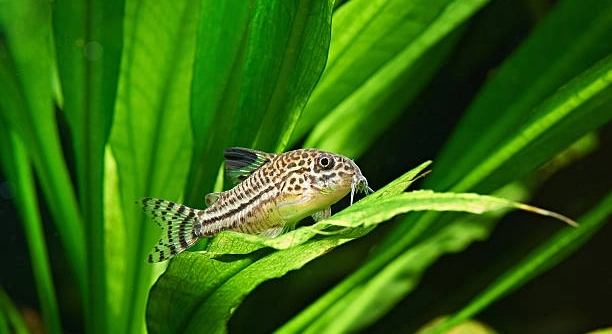
Corydoras catfish are often loved for their peaceful and low-maintenance nature. However, if they seem to avoid the light in their aquarium, it could signal something is off. Understanding this behavior is key to ensuring their health.
The main reason your Corydoras catfish might be avoiding the light is due to stress or discomfort. Environmental factors, such as water temperature, lighting intensity, or tank mates, can cause them to seek shelter from bright conditions.
By understanding these potential causes, you can create a more comfortable environment for your Corydoras catfish. This can improve their behavior and overall well-being, leading to a happier and healthier aquarium.
Lighting Intensity
One of the most common reasons your Corydoras catfish avoid the light is the intensity of it. These fish are naturally bottom dwellers and tend to feel more comfortable in lower light settings. Bright lights in the aquarium can be overwhelming and cause stress. If your tank has very strong lighting, try using a softer or dimmer option. Corydoras thrive in tanks with moderate or low lighting. The right light not only benefits the fish but also prevents algae overgrowth, creating a balanced environment.
If you find the light too intense, consider placing the tank in a less brightly lit area or using a light timer to control the lighting cycle.
Adjusting the lighting can make a big difference in your Corydoras’ behavior. Instead of hiding, they may become more active, exploring the tank or interacting with their surroundings. Over time, this small change can result in noticeable improvements in their comfort and overall health.
Water Temperature
Water temperature plays a crucial role in the comfort of Corydoras catfish. If the water is too warm or too cold, they may avoid the light to find cooler or warmer spots in the tank that are more comfortable. Ideally, Corydoras thrive in water temperatures between 72°F and 78°F. Anything outside this range can cause them stress and make them more likely to hide.
Make sure your aquarium heater is set to the appropriate temperature for these fish. Too cold, and they may try to find warmer areas, while too hot can cause them to seek shade or darker areas of the tank to escape the heat. The temperature is one of the easiest things to adjust in the aquarium, and ensuring a stable range will help your Corydoras feel secure enough to come out into the light. Additionally, fluctuating temperatures could contribute to other health issues in your fish, making it essential to keep the water temperature consistent.
By maintaining a comfortable temperature, your Corydoras will likely be more active and feel less inclined to avoid the light.
Tank Mates
Tank mates can impact how your Corydoras catfish behave under the light. Aggressive or overly active fish can create a stressful environment for Corydoras, prompting them to seek darker, more secluded areas. If your Corydoras are in a tank with fish that are known to be territorial or dominant, they may feel intimidated, even in normal lighting conditions. Corydoras are peaceful fish, and their stress levels can increase when other fish invade their space or chase them around the tank.
To prevent this, it’s important to keep Corydoras with other peaceful species. Avoid keeping them with fish that have a reputation for being aggressive or overly territorial. Instead, opt for tank mates like peaceful tetras or other bottom dwellers. Ensuring that the tank has enough hiding spots, such as plants, rocks, and driftwood, will also help your Corydoras feel safe when they need to retreat from more active fish. Creating a harmonious environment by choosing the right tank mates will help your Corydoras feel comfortable and less likely to avoid the light.
Light Schedule
A consistent light schedule is essential for your Corydoras catfish. Just like any fish, Corydoras need a day and night cycle to feel secure. If the lights are constantly on or off at irregular intervals, it can cause stress. Corydoras need time to rest, and a predictable lighting schedule helps them know when it’s time to be active and when it’s time to rest.
It’s best to set your aquarium lights on a timer so they are on for 10-12 hours a day and off during the night. This ensures your Corydoras catfish can follow a natural rhythm, and they won’t feel the need to hide as much. A regular light cycle will also help with the overall health of the tank by supporting plant growth and reducing the chance of algae blooms.
By keeping a consistent light schedule, your Corydoras will feel more at ease in their environment. This makes it easier for them to come out and interact with their surroundings, whether under the light or in the darker areas of the tank.
Water Quality
Poor water quality can stress Corydoras catfish and make them avoid the light. High levels of toxins, like ammonia or nitrites, can irritate their sensitive skin and gills. Regular water changes and maintaining good filtration will help keep the water clean and healthy.
Testing the water regularly is essential. If the levels of ammonia or nitrites are too high, your Corydoras may avoid bright areas or hide more frequently. This behavior can signal that your tank’s water quality is off. Ensure the pH is within a safe range and that the water temperature stays stable. Cleaning the tank and filters regularly also reduces the buildup of harmful substances that can stress your fish.
Investing in a high-quality water test kit will help you keep track of the water conditions and address any issues before they affect your Corydoras. Healthy water helps your fish feel secure and reduces the likelihood of them avoiding the light altogether.
Overcrowding
Overcrowding in the tank can contribute to stress and make Corydoras seek refuge in dark areas. A crowded tank increases competition for food and space, leading to aggressive behavior. This stress can result in your fish avoiding the light, as they search for a quiet spot to hide.
To prevent overcrowding, ensure that your tank has enough space for all your fish. Corydoras prefer a tank with at least 20 gallons of water, especially if you keep more than a few. Overcrowding can also cause issues with water quality, further contributing to stress. Make sure to consider the adult size of your fish and avoid overstocking. Adding decorations, plants, and hiding spots will also give your Corydoras more room to explore and retreat to when needed.
By reducing the number of fish in your tank or upgrading to a larger aquarium, you’ll create a more peaceful environment for your Corydoras. This will help them feel less stressed and more comfortable under the light.
Stress from Handling
Corydoras catfish are sensitive to handling, and too much interaction can make them feel stressed. Constant disturbances, such as trying to catch or move them, can cause them to hide in darker spots, avoiding the light to escape the stress.
To reduce stress, limit handling your Corydoras. They prefer a calm environment where they’re not disturbed too often. Over time, frequent handling can lower their immune system and make them more prone to illness. Allow your Corydoras to settle in their tank without interference, and they’ll feel more secure under the light.
Lighting Color
The color of the light can also affect how your Corydoras catfish behave. Bright, white light may cause them to avoid the illuminated areas. They tend to prefer softer lighting with warmer tones.
You might want to switch to a light that has a yellow or red hue, which is closer to natural daylight. These colors are less intense and can make your Corydoras feel more comfortable. If the light feels too harsh, they may instinctively seek darker areas to feel secure. Experimenting with light color can help you find the best setting for them.
Lack of Hiding Spots
Corydoras like to have plenty of places to hide in their tank. Without enough hiding spots, they may feel exposed and stressed. This can lead to them avoiding the light and seeking darker, more sheltered areas.
FAQ
Why do Corydoras catfish avoid the light?
Corydoras catfish are bottom-dwelling fish that prefer low light conditions. In their natural habitat, they spend much of their time hiding among plants, rocks, or the substrate, away from bright light. Bright aquarium lighting can make them feel exposed and stressed, leading them to seek darker, more sheltered areas. If you notice your Corydoras avoiding the light, it’s often because they feel insecure or overwhelmed. Adjusting the lighting to a softer, dimmer setting can help make them feel more comfortable and encourage them to explore the tank more.
Can too much light harm Corydoras catfish?
Yes, too much light can stress Corydoras catfish. They are naturally shy creatures and prefer subdued lighting that mimics their natural environment. Prolonged exposure to bright, harsh lighting can cause them to hide more often or avoid the light altogether. It can also lead to stress-related health issues. Using a light timer and setting a schedule for your tank’s lights can help create a more balanced environment for them. This way, they can enjoy both day and night cycles without the discomfort of constant bright lighting.
How can I make my Corydoras feel more comfortable in the light?
To make your Corydoras feel more comfortable in the light, you should consider adjusting both the intensity and color of the lighting. Use a dimmer light or one that has a softer hue, such as yellow or red, which is closer to natural daylight. Additionally, providing plenty of hiding spots with plants, rocks, or driftwood can help your Corydoras feel secure when they want to retreat from the light. A regular light schedule, simulating day and night, will also help them feel at ease in their environment.
How do water quality and temperature affect Corydoras behavior?
Water quality and temperature have a direct impact on Corydoras behavior. These fish are sensitive to poor water conditions, such as high ammonia or nitrite levels, which can cause stress. If your Corydoras avoid the light, it could be a sign that the water quality needs attention. Regular water changes and good filtration are essential to maintaining healthy water. Temperature is also crucial. Corydoras thrive in water between 72°F and 78°F, and sudden temperature changes can lead to stress. Keeping the water clean and at a stable, comfortable temperature will make your fish feel more secure.
Do Corydoras prefer dim or bright lighting?
Corydoras catfish prefer dim lighting. As bottom dwellers, they feel more secure in low-light conditions, which mimic their natural environment. Bright lighting can cause them stress, as they feel exposed and vulnerable. It’s best to use soft, subdued lighting in the tank. Dimmer lighting allows them to move around more freely without feeling threatened, leading to more natural and active behavior.
Can other fish in the tank cause stress for Corydoras?
Yes, other fish in the tank can contribute to stress for Corydoras. If you have aggressive or territorial tank mates, they may cause Corydoras to feel insecure. This can lead to them hiding more often or avoiding the light entirely. Corydoras do best in peaceful communities with non-aggressive species. Ensuring that your Corydoras have enough space and hiding spots will help reduce stress caused by other fish. Choosing compatible tank mates, like peaceful tetras or other bottom-dwelling species, will help create a harmonious environment.
How often should I change the water for my Corydoras tank?
Regular water changes are crucial for the health of your Corydoras catfish. Aim to change about 25-30% of the water in the tank every two weeks. If you have a heavily stocked tank, more frequent changes may be necessary to keep the water quality high. Consistent water changes will help keep harmful toxins, such as ammonia and nitrites, at safe levels and ensure that your Corydoras feel comfortable. Always test the water for pH, ammonia, and nitrite levels to ensure the tank’s conditions are ideal.
Are Corydoras catfish sensitive to stress?
Yes, Corydoras catfish are sensitive to stress. They are peaceful, shy fish that can easily become stressed by factors like poor water quality, aggressive tank mates, or bright lighting. Stress can weaken their immune system, making them more susceptible to illness. Providing a stable and calm environment with good water quality, suitable lighting, and compatible tank mates will help reduce stress and allow your Corydoras to thrive. If your fish are hiding or avoiding the light, it could be a sign that something in their environment is causing them stress.
What are the signs that my Corydoras are stressed?
Stress in Corydoras catfish can manifest in a few different ways. If they are avoiding the light, hiding more frequently, or staying in the darker areas of the tank, these may be signs of stress. You may also notice changes in their behavior, such as less movement or erratic swimming patterns. Stressed Corydoras may stop eating or become more lethargic. If you see any of these signs, it’s important to assess their environment, including water quality, tank mates, and lighting, to identify and resolve the cause of the stress.
Can Corydoras catfish live in tanks with bright lighting?
While Corydoras catfish can live in tanks with bright lighting, it’s not ideal for their well-being. These fish prefer dim or soft lighting that simulates their natural habitat. Bright lights can make them feel exposed and stressed. If you want to keep Corydoras in a tank with brighter lighting, it’s important to provide plenty of hiding spots and plants where they can retreat when they need a break. Alternatively, using dimmer lights or adjusting the light cycle can help make the tank more comfortable for your fish.
Final Thoughts
Corydoras catfish are peaceful and adaptable creatures, but they do have specific needs when it comes to their environment. One of the most important factors to keep in mind is the lighting. These bottom-dwelling fish are naturally accustomed to low-light conditions, and bright lights can cause them stress. If your Corydoras are avoiding the light, it’s likely because the intensity is too high, and they feel exposed. By adjusting the lighting to a softer, dimmer setting, you can help them feel more comfortable and reduce any unnecessary stress.
In addition to lighting, other factors such as water quality, temperature, and tank mates can also influence how your Corydoras behave. Poor water quality, such as high ammonia or nitrites, can lead to health problems and make your fish more likely to hide. Regular water changes, proper filtration, and consistent temperature control are essential for maintaining a healthy and stable environment. Corydoras are sensitive to these factors, and ensuring that their habitat is optimal will help them thrive and behave more naturally.
Finally, remember that Corydoras are social fish and prefer peaceful, non-aggressive tank mates. If they’re surrounded by more active or aggressive fish, they may feel stressed and seek refuge in darker areas of the tank. Providing plenty of hiding spots with plants, rocks, and driftwood will give your Corydoras the security they need. By creating an environment that meets their needs, you can ensure that your Corydoras are happy, healthy, and less likely to avoid the light.

Hello,
If you enjoy the content that we create, please consider saying a "Thank You!" by leaving a tip.
Every little bit helps us continue crafting quality advice that supports the health, happiness, and well-being of pets around the world, for pets of all shapes, sizes, and species.
We really appreciate the kindness and support that you show us!