
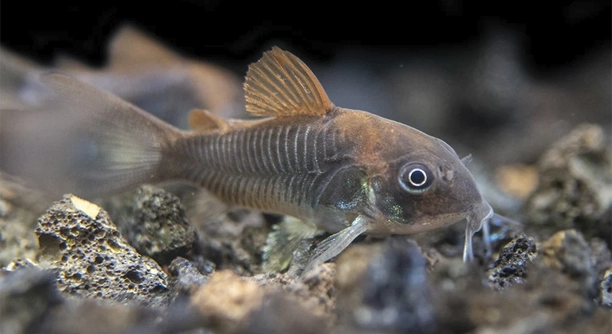
Corydoras catfish are known for their peaceful nature and playful behavior in the aquarium. However, you might notice them acting skittish around certain fish, and it can be a bit puzzling.
Corydoras catfish may become skittish due to several factors such as aggression from other fish, poor water conditions, or stress from unfamiliar species. These elements can trigger fear responses, making your catfish appear anxious and easily startled.
Understanding why your Corydoras is nervous can make all the difference in ensuring a peaceful and happy tank.
Aggressive Tank Mates
Corydoras catfish are naturally peaceful and thrive in a calm environment. When placed with aggressive fish, they can become easily startled. Aggressive species may chase or harass the catfish, causing them to feel unsafe. The constant stress can make the Corydoras more skittish, resulting in erratic swimming patterns. If aggression becomes consistent, your catfish may begin hiding more often or staying at the bottom of the tank, away from other fish.
Even mildly territorial fish can create a stressful atmosphere for your Corydoras. This is especially true if these fish constantly patrol the tank or compete for food. Corydoras are bottom dwellers and need a peaceful environment to feel secure.
If you notice your Corydoras acting nervously, consider moving any aggressive tank mates to another aquarium. You can also try rearranging the decorations and hiding spots in the tank to reduce territorial behavior. These changes will help the catfish feel safer and lessen their anxiety.
Poor Water Conditions
Water quality is a major factor in a Corydoras catfish’s well-being. Inconsistent or poor water parameters can lead to stress.
Catfish are sensitive to changes in their environment, particularly water temperature, pH, and ammonia levels. If the water conditions are out of balance, Corydoras may begin to act skittish. Poor water quality can also weaken their immune system, making them more susceptible to disease, which in turn may cause behavioral changes.
Make sure to regularly test your tank’s water quality and perform necessary water changes. Keeping the water clean and stable will help your Corydoras feel more comfortable and less anxious. The addition of a good filtration system can also reduce harmful substances and maintain a healthy tank environment for all fish. Healthy water parameters are key to your catfish’s long-term happiness and behavior.
Tank Size and Space
Corydoras need enough space to swim comfortably, and a crowded tank can make them anxious. When there’s not enough room, they may feel trapped and start to act skittish. It’s important to ensure the aquarium is large enough to accommodate all its residents without overcrowding.
A small tank with too many fish can lead to competition for space and resources, which increases stress. Corydoras typically need a tank that’s at least 20 gallons, especially if you have other fish in the mix. Overcrowding can also affect water quality, making it harder to maintain a stable environment.
To help your Corydoras feel comfortable, consider reducing the number of tank mates or upgrading to a larger aquarium. This will give them more room to explore and hide when they need a break from the activity around them. More space equals less stress for your catfish.
Diet and Feeding Habits
If your Corydoras are not getting enough food, they can become stressed and skittish. These fish are bottom feeders and often have to compete with others for food. Inadequate or uneven feeding can cause anxiety.
To ensure your Corydoras are eating enough, provide sinking pellets or wafers that specifically cater to bottom-dwelling fish. Feed them small amounts several times a day rather than one large meal. This will prevent other fish from hogging the food and give your Corydoras a fair chance to eat.
Additionally, check that your catfish have access to any uneaten food at the tank’s bottom. You might need to remove any remaining food after a while to prevent excess waste from affecting water quality. Regular, balanced feeding will keep your Corydoras healthy and happy.
Lighting and Tank Environment
Bright, harsh lighting can stress out Corydoras, making them more skittish. They prefer dimmer, softer lighting that mimics their natural habitat. If your aquarium light is too intense, it could cause discomfort for your catfish.
Adjusting the lighting or adding shaded areas in the tank, like plants or decorations, can help your Corydoras feel more secure. A softer, dimmer environment will allow them to move around without feeling exposed, reducing stress levels.
Water Movement and Filtration
Strong currents in the water can make Corydoras nervous, as they are bottom-dwelling fish that prefer calm waters.
Ensure your tank’s filter is not causing strong water movement, especially around the bottom. Consider using a filter with an adjustable flow rate or adding plants and rocks to break up the current. Creating calm spots will help your Corydoras feel more at ease.
FAQ
Why is my Corydoras hiding all the time?
Corydoras catfish are naturally shy creatures, and they often hide when they feel threatened or stressed. If your catfish is hiding more than usual, it could be due to aggression from other tank mates, poor water quality, or excessive lighting. Corydoras also tend to retreat to hiding spots when they’re not feeling well or when the environment is too chaotic for them. Make sure to check the water parameters, reduce stress by adjusting tankmates, and ensure there are enough places for them to hide.
Can Corydoras live with other fish?
Yes, Corydoras are peaceful fish that can coexist with many other species. However, they should not be placed with overly aggressive or large fish that may intimidate them. Ideal tankmates include small, peaceful fish like tetras, guppies, and other bottom dwellers. It’s essential to ensure that all species in the tank have enough space to avoid territorial disputes.
How can I reduce stress in my Corydoras catfish?
To reduce stress, you should focus on providing stable water conditions, a calm tank environment, and the right tankmates. Ensure the water temperature, pH, and hardness are appropriate for your Corydoras. Reduce strong water currents by adjusting the filter or adding plants. Also, provide plenty of hiding spots using decorations or plants to make them feel secure.
What are signs that my Corydoras is stressed?
Signs of stress in Corydoras include hiding more frequently, erratic swimming, rapid gill movements, or abnormal behavior such as rubbing against objects. They may also stop eating or appear lethargic. If you notice these signs, it’s crucial to assess the tank’s water quality, tankmates, and environment to identify the cause of stress.
How often should I feed my Corydoras catfish?
Corydoras are bottom feeders and typically prefer to eat at their own pace. Feed them small amounts of food once or twice a day, ensuring they can access sinking pellets or wafers. Be mindful of not overfeeding, as excess food can pollute the water and create an unhealthy environment. It’s also important to remove uneaten food to maintain good water quality.
Can Corydoras eat live food?
Yes, Corydoras can eat live food, and it can be a great treat for them. Options like live brine shrimp, bloodworms, or daphnia can add variety to their diet. However, live food should not make up the majority of their diet. Ensure any live food is safe and free from parasites before feeding it to your fish.
Why are my Corydoras swimming at the surface?
Corydoras are typically bottom dwellers, so if they are swimming at the surface, it might indicate poor water conditions. They may be gasping for air due to low oxygen levels or high levels of toxins like ammonia. Check the water parameters immediately and consider increasing aeration or performing a water change to improve conditions.
Can Corydoras survive in cold water?
Corydoras catfish are not cold-water fish and should be kept in water temperatures between 72°F and 78°F (22°C to 26°C). They do not tolerate sudden temperature changes and may become stressed or ill if kept in water that is too cold. It’s best to maintain a stable, warm environment for them to thrive.
How do I create a comfortable environment for Corydoras?
A comfortable environment for Corydoras includes soft, dim lighting, plenty of hiding spots, and stable water conditions. The substrate should be smooth, like fine gravel or sand, to prevent injury to their delicate barbels. Adding plants, rocks, and caves will give them the shelter they need to feel safe. Make sure the water quality is consistently good and avoid strong water currents.
Can Corydoras live in a tank without a filter?
While Corydoras can technically live in an aquarium without a filter, it is not recommended. A filter helps maintain stable water conditions by removing waste and excess nutrients, which are essential for the health of your fish. Without a filter, you would need to perform more frequent water changes to keep the tank clean and prevent harmful substances from accumulating.
Do Corydoras need to be kept in groups?
Yes, Corydoras are social fish and feel more comfortable when kept in groups. Keeping at least three to six Corydoras together will allow them to exhibit their natural behavior and feel more secure. They often rely on each other for protection and may feel stressed or isolated if kept alone.
Why is my Corydoras catfish not eating?
If your Corydoras is not eating, it could be due to several reasons, including stress, poor water quality, or illness. Check the water parameters to ensure they’re within the ideal range. Stress from aggressive tankmates or a sudden change in environment can also affect their appetite. If they refuse to eat for more than a few days, consult with a veterinarian to rule out illness.
What should I do if my Corydoras has a disease?
If your Corydoras shows signs of illness, such as faded colors, swollen body parts, or lesions, it’s important to act quickly. First, isolate the affected fish to prevent the spread of disease to other tankmates. Ensure the water conditions are optimal and research the specific symptoms to determine the best course of action. You may need to treat the aquarium with appropriate medications or consult an aquatic veterinarian for further advice.
Final Thoughts
Corydoras catfish are usually calm and friendly fish, but they can become skittish for a number of reasons. It’s important to pay attention to their environment and ensure that their tank mates, water conditions, and overall surroundings are conducive to their well-being. They thrive in peaceful settings with stable water parameters, and any change in these factors can cause them stress. By observing your Corydoras closely and understanding their needs, you can help them feel more secure and reduce anxiety in your aquarium.
When it comes to tank mates, choosing peaceful and compatible fish is key. Corydoras are generally not aggressive, so they do well with other non-aggressive species. However, keeping them with aggressive or overly active fish may lead to stress and skittish behavior. It’s also essential to ensure your Corydoras have plenty of space to swim freely and hide when needed. A tank that is too crowded or lacks hiding spots can make your catfish feel exposed and anxious. Providing them with a peaceful and spacious environment will help them feel safe and secure.
Maintaining proper water quality is also essential for keeping your Corydoras happy and healthy. Poor water conditions can quickly lead to stress, which may cause behavioral changes like hiding or erratic swimming. Regular water changes, proper filtration, and monitoring the water temperature and pH will help maintain a stable environment. By keeping their tank clean and stable, you’re setting up your Corydoras for a long, happy life. Addressing their needs and understanding the factors that contribute to their stress will go a long way in ensuring they remain calm and active in their habitat.

Hello,
If you enjoy the content that we create, please consider saying a "Thank You!" by leaving a tip.
Every little bit helps us continue crafting quality advice that supports the health, happiness, and well-being of pets around the world, for pets of all shapes, sizes, and species.
We really appreciate the kindness and support that you show us!