
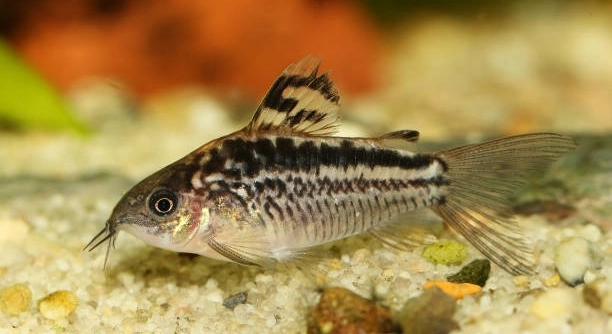
Corydoras catfish are popular aquarium residents, admired for their peaceful nature and charming behavior. However, it can be concerning when they start swimming in circles. This article will explain why this may be happening.
Corydoras catfish swimming in circles is often a sign of stress or discomfort, typically caused by environmental factors such as poor water quality, tank conditions, or health issues. Addressing these factors is crucial to improving their well-being.
Understanding the reasons behind their circular swimming will help you take better care of your fish and ensure they thrive in their environment.
Poor Water Quality
Corydoras catfish are sensitive to changes in their environment, especially when it comes to water quality. If the water is too dirty or lacks the proper balance of minerals, they can become stressed, which may result in swimming in circles. High ammonia, nitrite, or nitrate levels can quickly build up in your tank if not properly filtered or maintained. Additionally, poor oxygen levels can cause them to swim in circles as they struggle to find better conditions. To prevent this, ensure regular water changes and test the water frequently to maintain healthy parameters.
The best way to keep your Corydoras healthy is by having a consistent maintenance routine. Clean your tank, check water quality, and make sure your filter is working well. Keep an eye on temperature and oxygen levels too.
It’s essential to create a stable and clean environment for your Corydoras to thrive. Regular water testing will help you monitor ammonia, nitrate, and nitrite levels. Adding plants can improve water quality, and a good filtration system will make a significant difference. Stable water conditions will minimize stress and improve your fish’s behavior, including reducing the chances of circular swimming.
Tank Size and Space
Sometimes, your Corydoras might swim in circles because the tank is too small. These fish like to swim in groups, so they need ample space to move around comfortably. When kept in cramped conditions, they can become stressed, leading to abnormal behavior like circling. If your tank isn’t large enough for your fish to swim freely, they may start exhibiting this unusual pattern.
A larger tank will allow your fish to swim more naturally and reduce their anxiety.
Corydoras are social fish, and they need enough room to move around and interact. It’s also important to ensure there are hiding spots like rocks or plants, where they can feel safe when they’re not swimming. A tank that’s too small or lacks appropriate hiding places can cause stress, which may lead to circular swimming behavior. Consider upgrading to a larger tank or adding more hiding spaces to allow your Corydoras to feel more secure. Their mental and physical health will improve, and you should notice a reduction in abnormal swimming.
Stress and Anxiety
Corydoras catfish are sensitive creatures and can easily become stressed due to changes in their environment. Factors like loud noises, sudden changes in water temperature, or the presence of other aggressive fish can cause anxiety. This stress often leads to erratic behaviors like swimming in circles.
Stress triggers various reactions, and for Corydoras, circular swimming is a common sign of distress. When they feel threatened, they may swim frantically to escape. A peaceful tank environment is vital for their well-being. Avoid sudden changes in tank conditions or introducing aggressive species. Ensuring your Corydoras have quiet surroundings and calm tankmates will help reduce stress levels.
Additionally, overhandling the fish or frequent disruptions can contribute to anxiety. Corydoras thrive in stable, calm conditions. Consider providing them with plenty of hiding spaces where they can retreat when they feel overwhelmed. A well-maintained and peaceful environment will minimize their stress, allowing them to swim naturally.
Health Issues
Health problems can also lead to circular swimming in Corydoras catfish. If your fish is sick or experiencing internal parasites, it may swim in a repetitive, abnormal pattern. Issues like swim bladder disease or infections could also cause them to behave this way.
A common sign of internal health issues is a change in swimming behavior. Corydoras with swim bladder issues might struggle to maintain balance or swim properly. If your fish appears lethargic or has trouble swimming upright, this could indicate a medical problem. In such cases, isolating the affected fish and seeking treatment is important.
Infections or parasites may also lead to unusual swimming. Keep an eye on their physical condition. Symptoms like bloating, skin lesions, or unusual markings could point to a problem. Addressing health concerns quickly can prevent more serious issues and help your Corydoras recover faster. Regular water changes and proper care are essential to maintaining their overall health.
Overcrowding
Overcrowding is a common reason for circular swimming in Corydoras catfish. When too many fish are in the tank, it causes stress, limits their space to swim, and creates poor water quality. The fish may swim in circles due to feeling trapped or overwhelmed.
In crowded tanks, fish struggle to find space to move freely. The lack of room can cause them to swim erratically, sometimes in circles, as they try to navigate. Ensure your tank has enough space for each fish to swim comfortably. A larger tank and fewer fish will help them thrive.
Inadequate Diet
If Corydoras aren’t getting the right food, they may exhibit strange behavior, including swimming in circles. A poor diet, lacking essential nutrients, can affect their health and behavior. Offering a varied diet will help maintain their health and prevent this issue.
Feeding them only one type of food can lead to malnutrition. Corydoras need a well-balanced diet that includes high-quality pellets, frozen or live foods, and occasional vegetable matter. A proper diet helps them stay healthy and active, reducing stress and abnormal swimming behavior.
Tank Maintenance
Regular tank maintenance plays a key role in preventing unusual behavior like circular swimming. Dirty tanks can lead to poor water quality, which stresses fish. Regular cleaning, water changes, and checking equipment will help your Corydoras stay happy and healthy.
Keeping the tank clean ensures a stable environment for your fish. This includes vacuuming the substrate, cleaning the filter, and replacing water regularly. Dirty water can cause health issues and stress, which might trigger circular swimming. A routine cleaning schedule will keep your fish calm and prevent disruptions.
FAQ
Why is my Corydoras swimming in circles?
If your Corydoras is swimming in circles, it could be due to several factors. The most common causes are stress, poor water quality, overcrowding, or health issues. Stress can arise from changes in the tank environment, tankmates, or external factors like noise. Poor water quality, such as high ammonia or low oxygen levels, can also cause discomfort, leading to circular swimming. In some cases, internal parasites or other health problems can cause this abnormal behavior. Ensuring proper water conditions, minimizing stress, and addressing any health concerns are key steps to improving your fish’s well-being.
How do I know if my Corydoras is stressed?
Stressed Corydoras will exhibit signs like erratic swimming, hiding more often than usual, or swimming in circles. They might also show signs of lethargy, loss of appetite, or even aggression towards other fish. If you notice these behaviors, take a close look at their environment. Are there any sudden changes in the water temperature or the presence of aggressive tankmates? Fixing the stressor—whether it’s improving water quality, adding more hiding spaces, or reducing tank activity—can help your Corydoras feel secure again.
Can poor water quality cause Corydoras to swim in circles?
Yes, poor water quality is one of the main reasons for abnormal swimming behavior in Corydoras. High levels of ammonia, nitrites, or nitrates, as well as low oxygen, can stress fish and cause them to swim erratically. To prevent this, regularly check the water parameters, perform regular water changes, and ensure your filtration system is working efficiently. Additionally, make sure the water temperature is appropriate for Corydoras, as sudden changes can also lead to stress.
What tank conditions are best for Corydoras catfish?
Corydoras thrive in tanks with clean, well-filtered water. The water should be soft to moderately hard, with a pH between 6.0 and 8.0. They prefer a temperature range of 72°F to 78°F (22°C to 25°C). The tank should have plenty of hiding spots, such as rocks or plants, to make them feel secure. A soft substrate, like sand, is ideal since it’s gentle on their sensitive barbels. Make sure the tank is large enough for the number of fish you have, and avoid overcrowding, which can increase stress.
How do I fix overcrowding in my tank?
To fix overcrowding, first, assess the number of fish in your tank and compare it with the recommended stocking levels for the size of your aquarium. If there are too many fish, you might need to reduce the number by finding new homes for some or upgrading to a larger tank. A general guideline is to allow about 1 inch of fish per gallon of water, but this can vary depending on the species. Additionally, providing plenty of hiding spots can help reduce territorial stress, even in crowded environments.
Can I prevent my Corydoras from swimming in circles?
To prevent your Corydoras from swimming in circles, make sure to provide a stable and clean environment. Regular water changes, proper filtration, and maintaining ideal water parameters are essential. Avoid overcrowding the tank and make sure your Corydoras have enough space to swim. Reducing stress by creating a peaceful tank environment with compatible tankmates is also key. By addressing potential stressors, maintaining water quality, and offering a balanced diet, you can prevent abnormal swimming behavior.
What should I feed my Corydoras to keep them healthy?
Corydoras are omnivores, so they need a varied diet to stay healthy. High-quality sinking pellets designed for bottom-dwelling fish should form the basis of their diet. You can supplement this with frozen or live foods like bloodworms, brine shrimp, or daphnia. Adding occasional plant matter, such as blanched spinach or zucchini, will also benefit them. Make sure the food you provide is small enough for them to eat easily, as Corydoras tend to forage along the tank bottom. A balanced diet will keep them healthy and reduce stress-related behaviors.
What are the signs of a sick Corydoras?
A sick Corydoras may exhibit several warning signs, including swimming erratically, hiding excessively, or not eating. They might have clamped fins, abnormal coloration, or visible lesions on their skin. If a Corydoras has difficulty swimming or stays near the surface, it could indicate swim bladder issues or other health problems. Bloating or changes in their appearance, like a swollen abdomen, could signal internal parasites or infections. If you notice any of these signs, it’s important to act quickly by isolating the sick fish and consulting with a vet or aquarium expert for proper treatment.
How can I improve the oxygen levels in my tank?
To improve oxygen levels, consider adding an air pump with airstones or increasing surface agitation through a filter or powerhead. Proper surface movement allows oxygen to dissolve into the water, ensuring your fish get enough air. Additionally, avoid overcrowding the tank, as it can reduce the oxygen available to your fish. Keeping plants in the aquarium can also help oxygenate the water, but make sure not to overcrowd the tank with too many. Regular maintenance and water changes will also ensure that oxygen levels remain adequate for your fish.
Is it necessary to quarantine new fish?
Yes, quarantining new fish is highly recommended. Introducing new fish without quarantining them first can bring in diseases or parasites that may affect your existing fish. A separate quarantine tank allows you to observe new arrivals for any signs of illness before introducing them to the main tank. The quarantine period should last at least two weeks, giving you time to treat any potential health issues before the fish interact with your other fish.
Final Thoughts
Corydoras catfish are generally peaceful and easy to care for, making them a popular choice for aquarium owners. However, when they start swimming in circles, it can be a sign that something is off in their environment. This unusual behavior can be triggered by a variety of factors, including stress, poor water quality, overcrowding, or health issues. Understanding the root cause of this behavior is crucial in making the necessary adjustments to ensure the well-being of your Corydoras.
Taking care of your Corydoras involves regularly monitoring the water quality, maintaining a suitable tank size, and ensuring a stress-free environment. Consistently checking the water parameters, such as ammonia, nitrate, and nitrite levels, will help you avoid issues with water quality that could stress your fish. Additionally, providing enough space for your fish to swim freely and giving them plenty of hiding spots can reduce feelings of stress. It’s also essential to ensure your Corydoras are getting a balanced diet to support their health and prevent behavioral problems.
If your Corydoras are still swimming in circles despite making the necessary changes, it could be a sign of an underlying health issue. In such cases, it is important to closely observe their behavior and look for other signs of illness, such as loss of appetite, abnormal swimming, or physical changes. If you suspect health problems, isolating the affected fish and seeking professional advice is a good idea. With the right care, most common issues can be resolved, and your Corydoras will return to their peaceful, normal behavior.

Hello,
If you enjoy the content that we create, please consider saying a "Thank You!" by leaving a tip.
Every little bit helps us continue crafting quality advice that supports the health, happiness, and well-being of pets around the world, for pets of all shapes, sizes, and species.
We really appreciate the kindness and support that you show us!