
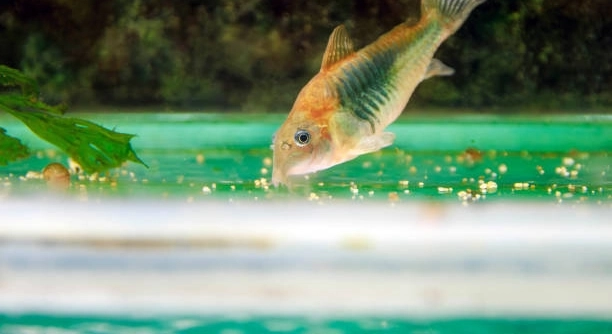
Corydoras catfish are known for their playful nature and smooth swimming abilities. If your fish is struggling to swim, it can indicate a variety of underlying issues. Identifying the cause is key to their well-being.
Corydoras catfish may struggle to swim due to factors such as poor water quality, improper tank conditions, injury, or underlying health problems. Ensuring a clean and stable environment, along with proper care, is essential for their recovery.
Understanding these factors will help address the issues affecting your fish and improve their swimming ability.
Poor Water Quality
The water quality in your tank plays a huge role in the health of your Corydoras catfish. These fish are sensitive to ammonia, nitrites, and nitrates. If the water conditions are not ideal, it can cause stress and affect their ability to swim properly. Regular water changes and using a reliable filtration system are key steps in maintaining a healthy environment for them.
Ensure that the water is tested frequently for ammonia, nitrites, and nitrates. The levels should be near zero for ammonia and nitrites, while nitrates should remain below 20 ppm. If these levels are too high, the fish can become lethargic and may struggle with swimming. Make sure to clean the substrate to prevent waste buildup, which can pollute the water.
Regularly check the temperature of the water, as Corydoras prefer stable conditions between 72°F and 78°F (22°C to 26°C). Extreme fluctuations can further stress your fish and worsen their swimming issues. Always replace the water gradually to avoid shocking the system.
Tank Size and Setup
The size of the tank and its setup also affect your fish’s ability to move freely. A small or overcrowded tank can limit space for swimming. Corydoras need enough space to swim comfortably, so ensure the tank is large enough for your fish and any other species.
A well-decorated tank with hiding places and plants can help your Corydoras feel safe. However, make sure there is enough open water for swimming. Corydoras prefer to swim along the bottom of the tank, so avoid too many decorations in this area.
Overcrowding can be another problem. Too many fish in a small tank creates stress, which directly affects their health and swimming capabilities. Providing enough space reduces aggression and gives each fish room to move.
Injury or Illness
Injuries or illness could be another reason your Corydoras is struggling to swim. If the fish has been injured or is unwell, it may swim erratically or struggle to maintain balance. Watch for signs such as swelling, lesions, or discoloration, as these could indicate a health problem.
Sometimes, swim bladder disease can be a factor, causing difficulty in maintaining buoyancy. This condition can result from a bacterial or parasitic infection or even poor water quality. If your fish displays symptoms like floating upside down or sinking to the bottom, it may need immediate care. Medications for swim bladder issues are available and can be effective when used correctly.
To help recovery, keep the tank clean, maintain the right water parameters, and monitor the fish closely. If symptoms persist, consult with a veterinarian who specializes in fish to ensure proper treatment.
Water Temperature and Tank Environment
Temperature plays a critical role in your Corydoras’ well-being. Fish are sensitive to rapid changes in water temperature, and extreme shifts can cause stress. Corydoras thrive in stable water temperatures between 72°F and 78°F (22°C to 26°C). Anything outside this range can affect their behavior and ability to swim.
Sudden drops or spikes in temperature can weaken the immune system, making Corydoras more prone to illness. Additionally, colder temperatures slow down the fish’s metabolism, leading to lethargy and difficulty in swimming. Installing a heater with a thermostat will help maintain a consistent temperature, which is essential for optimal health.
If the temperature fluctuates often, it can cause your fish to become stressed and struggle to swim effectively. Ensure your heater is working properly and check the water temperature regularly to avoid extreme shifts.
Poor Diet and Nutrition
A poor diet can severely affect the swimming ability of your Corydoras catfish. Malnutrition can lead to weakened muscles and overall poor health. Ensure your catfish is being fed a balanced diet, including high-quality pellets, sinking wafers, and occasional treats like bloodworms or brine shrimp.
Feeding your fish once or twice a day with appropriate portion sizes is essential. Overfeeding should be avoided, as uneaten food can deteriorate water quality. Proper nutrition strengthens your catfish’s immune system and supports its natural swimming abilities. It’s essential to provide variety in their diet for optimal health.
If you notice your Corydoras becoming sluggish or having trouble swimming after feeding, consider reviewing their diet. Switching to a higher-quality food or adding nutritional supplements may be necessary. Providing a proper feeding schedule and nutrient-rich food helps prevent deficiencies.
Stress and Environmental Factors
Stress is a common factor that affects Corydoras swimming. Changes in the environment, such as new tank mates or sudden noise, can cause anxiety and result in poor swimming behavior. Corydoras prefer calm, quiet surroundings with minimal disturbance.
If there’s too much activity around the tank, it can stress your fish, leading to reduced swimming. Additionally, an overcrowded tank or incompatible tankmates can add to the pressure. Corydoras are peaceful fish that thrive in a calm and well-maintained environment. Avoid aggressive species or too many fish that might disturb their comfort.
Creating a peaceful environment can help restore their normal swimming behavior. You should also monitor the water quality, as any fluctuations can contribute to stress. Regular tank maintenance and choosing the right companions are vital to keeping your fish relaxed and healthy.
Overcrowded Tank
An overcrowded tank can prevent your Corydoras catfish from swimming freely. Fish need space to move around, and when there are too many, they may feel cramped and stressed. Overcrowding leads to competition for food and creates an unhealthy environment.
If your tank is too small for the number of fish, consider upgrading to a larger one. Providing enough space helps reduce stress and promotes healthy swimming behavior. Aim for a minimum of 20 gallons for a small group of Corydoras, and increase the size for more fish.
Incompatible Tankmates
Corydoras are peaceful fish that may struggle to swim if housed with aggressive or overly active species. The presence of territorial fish can cause them stress, affecting their behavior. It’s essential to choose tankmates that share similar temperaments.
Before adding any new fish, research their behavior and requirements to ensure they’re compatible with your Corydoras. Peaceful community fish such as tetras or guppies make ideal companions. Reducing aggression in the tank can help your catfish feel safe and improve their swimming abilities.
Physical Deformities
Physical deformities may also impact your Corydoras’ swimming. Sometimes, injuries or birth defects cause long-term swimming difficulties. If you notice an abnormal swimming pattern, closely observe your fish for signs of deformities.
A deformed fish may struggle to swim properly due to a damaged fin, body shape, or other issues. If the deformity is causing significant distress, you may need to provide a separate tank to allow the fish to recover and reduce stress.
FAQ
What are the most common signs that my Corydoras catfish is struggling to swim?
If your Corydoras catfish is having difficulty swimming, it may exhibit signs such as floating on the surface, sinking to the bottom, swimming in circles, or having trouble maintaining balance. It may also appear lethargic or swim erratically. Watch for these signs, as they indicate that something might be affecting their health.
How can I improve my Corydoras’ swimming ability?
To improve your Corydoras’ swimming ability, start by checking and maintaining water quality. Make sure the water is free from toxins like ammonia, nitrites, and nitrates. A consistent temperature, between 72°F and 78°F, is also essential. Additionally, provide them with enough space to swim comfortably, and ensure that they are receiving proper nutrition.
Can poor water quality really affect my Corydoras’ swimming?
Yes, poor water quality is one of the most significant factors affecting the swimming ability of Corydoras catfish. High ammonia or nitrite levels can stress the fish and weaken their immune systems, leading to lethargy or difficulty swimming. Regular water changes and monitoring water parameters are necessary to ensure a healthy environment.
What should I feed my Corydoras to improve their health and swimming?
Corydoras catfish require a balanced diet of high-quality pellets or sinking wafers, supplemented with occasional treats like bloodworms or brine shrimp. Overfeeding can pollute the water, so ensure you feed in moderation. A proper diet keeps them strong and healthy, improving their ability to swim efficiently.
Why is my Corydoras not swimming much?
If your Corydoras is not swimming much, it could be due to stress, poor water quality, or an underlying illness. Sometimes, a change in tank conditions or overcrowding can lead to inactivity. Make sure the tank environment is stable, and monitor your fish for signs of illness.
Can temperature fluctuations affect my Corydoras’ swimming?
Yes, Corydoras are sensitive to temperature changes. If the water temperature fluctuates too much, it can cause stress and lethargy. Corydoras prefer a stable temperature between 72°F and 78°F. A reliable heater will help maintain consistent water temperature, ensuring they remain active and healthy.
Are Corydoras sensitive to tankmates?
Yes, Corydoras catfish are peaceful and can be stressed by aggressive or overly active tankmates. Aggressive fish may chase or harass them, preventing them from swimming freely. It’s essential to choose compatible tankmates that don’t disrupt their peaceful nature, such as tetras or small peaceful community fish.
How do I prevent my Corydoras from becoming stressed?
To reduce stress, avoid overcrowding and ensure the tank has plenty of hiding places and plants. Keep the tank clean, with stable water parameters, and maintain a peaceful environment. Avoid sudden changes or loud noises near the tank. Providing a calm and secure environment will help your Corydoras thrive and swim freely.
What can I do if my Corydoras is injured?
If your Corydoras is injured, first remove it from any aggressive tankmates that may worsen the injury. Set up a quarantine tank with optimal water conditions for recovery. Injuries may take time to heal, so be patient. If the injury affects swimming, ensure the fish has access to calm waters and minimal stress.
Can I treat my Corydoras for swim bladder disease?
Yes, swim bladder disease is a common issue that can affect Corydoras. Treatment typically involves improving water quality, adjusting their diet, and in some cases, administering medications. Keep the water clean and maintain proper temperature. Feeding a varied diet and reducing stress can help manage or prevent this condition.
Why is my Corydoras swimming upside down?
Swimming upside down is a sign that your Corydoras may be suffering from swim bladder disease. This condition can result from a bacterial or parasitic infection, poor water quality, or overfeeding. You may need to adjust the water temperature, improve water quality, and possibly seek medication to treat the disease.
Can an overcrowded tank lead to swimming problems for Corydoras?
Yes, overcrowding can severely affect Corydoras’ swimming ability. When too many fish are in a tank, it causes stress, competition for food, and limited space for swimming. This can lead to sluggish behavior, lethargy, or erratic swimming. Always ensure your tank has enough space for all the fish you have.
What should I do if my Corydoras is swimming in circles?
If your Corydoras is swimming in circles, it could be due to stress, illness, or water quality issues. Check the water parameters, including ammonia, nitrites, and pH levels. Ensure the fish is not overcrowded or in a tank with incompatible tankmates. If issues persist, consider separating the fish for further observation.
Final Thoughts
Corydoras catfish are generally hardy and peaceful fish, but several factors can affect their ability to swim properly. Whether it’s poor water quality, an inadequate diet, or stress from overcrowding or incompatible tankmates, understanding these factors is crucial for ensuring the well-being of your fish. Addressing these concerns promptly will improve not only their swimming but also their overall health. Regular water changes, proper feeding, and providing enough space for your fish to swim freely are essential practices.
If your Corydoras are struggling to swim, it’s important to observe their behavior and look for signs of stress or illness. Sometimes, a minor adjustment to the tank’s environment can resolve the issue, such as improving water parameters or removing aggressive tankmates. In more severe cases, like physical deformities or swim bladder disease, you may need to seek additional help or separate the affected fish for recovery. By understanding the causes of their swimming difficulties, you can offer solutions that will help them return to their normal behavior.
Caring for Corydoras involves more than just providing food and water; it’s about creating an environment where they can thrive. Maintaining a peaceful tank, monitoring water quality, and ensuring that they are not overcrowded will give your Corydoras the best chance to swim and live comfortably. Pay attention to their needs, and with proper care, they will remain healthy and active in your aquarium.

Hello,
If you enjoy the content that we create, please consider saying a "Thank You!" by leaving a tip.
Every little bit helps us continue crafting quality advice that supports the health, happiness, and well-being of pets around the world, for pets of all shapes, sizes, and species.
We really appreciate the kindness and support that you show us!