
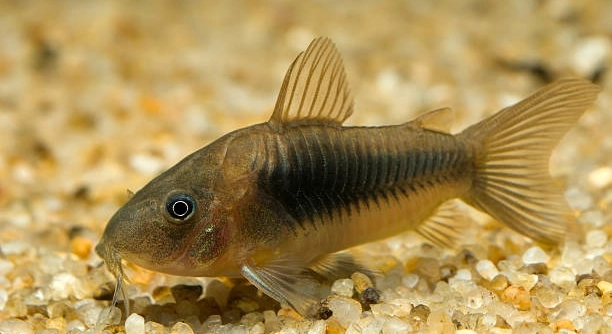
Corydoras catfish are popular for their calm nature and bottom-dwelling habits. However, if your catfish is spending more time at the top of the tank, it could signal an issue with their environment or health.
The most common reasons your Corydoras catfish might be spending too much time at the top include low oxygen levels, water quality issues, or stress. These factors can lead the fish to seek out areas with better oxygen or comfort.
Understanding these possible causes can help restore balance to your tank and improve the well-being of your Corydoras. There are simple steps you can take to help them feel more at home in their aquatic environment.
Low Oxygen Levels in Your Tank
One of the main reasons your Corydoras might be spending more time near the surface is low oxygen levels in the water. These fish are bottom dwellers, but they still need oxygen to thrive. If the tank water is poorly oxygenated, your Corydoras may move closer to the surface to find better air exchange. This behavior is a clear sign they are struggling to get enough oxygen.
Adding a good filtration system or air stone can help increase oxygen levels. The more surface agitation, the better the oxygen exchange. Regular water changes also help maintain oxygen levels and keep your fish healthy. Corydoras tend to be sensitive to water conditions, so it’s important to keep an eye on their environment.
Maintaining a proper balance of oxygen will ensure that your Corydoras are not forced to move to the top for air. This simple adjustment can greatly improve their health and comfort, so it’s worth considering if you’re seeing this behavior. If your catfish are spending time near the surface, make sure their water is well-oxygenated and clean.
Water Quality Issues
Poor water quality is another common reason for surface-dwelling behavior. High levels of ammonia, nitrites, or nitrates in the water can cause stress and discomfort to your Corydoras. In such conditions, fish may seek better oxygenated areas or simply move away from harmful substances in the water.
To avoid this, test your water regularly using a water testing kit. If the levels of ammonia or nitrites are too high, perform a partial water change and make sure your filtration system is working well. Keep your tank’s pH and temperature within the proper range for your Corydoras species to prevent stress.
By ensuring your aquarium’s water quality is consistently good, your fish will feel more comfortable and stay closer to the bottom, where they belong. A clean, balanced tank is crucial for the overall health of your Corydoras. Regular maintenance is key to preventing water quality-related issues.
Stress from Tankmates
Sometimes, your Corydoras might feel stressed due to aggressive or overly active tankmates. If other fish are too fast or territorial, your Corydoras may retreat to the top for comfort and safety. This stress can lead them to spend more time in areas where they feel less threatened.
If you suspect stress, try observing interactions between your Corydoras and other fish. Look for signs of bullying or chasing. You might need to rearrange your tank or introduce peaceful species that won’t overwhelm your catfish. Stress can weaken their immune system and overall health, so it’s best to address this issue early.
Creating a peaceful environment will help your Corydoras feel secure. If you find certain tankmates causing distress, consider relocating or adding more hiding spots. When Corydoras feel safe, they are less likely to seek refuge at the water’s surface. Proper tank setup is crucial for minimizing stress.
Water Temperature Fluctuations
Corydoras are sensitive to temperature changes in their environment. If your tank’s temperature fluctuates too much, they might head to the top, where water conditions may feel slightly more stable. Sudden temperature swings can cause discomfort and stress for your fish.
To prevent this, make sure your aquarium heater is working properly and set at the right temperature range for Corydoras. A stable environment will allow them to feel comfortable at the bottom of the tank, where they naturally spend most of their time. You can also use a thermometer to monitor the water temperature consistently.
Avoid placing your aquarium near windows or heaters where external temperature changes can affect your tank. By keeping the temperature steady, you help your Corydoras stay calm and reduce the likelihood of them staying near the surface. Regular monitoring can make a big difference.
Poor Diet or Overfeeding
If your Corydoras isn’t getting the right nutrition or is overfed, it may affect their behavior. Poor diet can lead to health issues that make your fish uncomfortable, causing them to seek the top of the tank. Overfeeding can also pollute the water, adding stress.
To fix this, provide a balanced diet specifically for bottom-dwelling fish. Feed them small portions, making sure they can consume it all in a few minutes. If there’s leftover food, remove it to avoid water contamination. Maintaining a proper feeding routine will help your Corydoras stay healthy and more active at the bottom.
Tank Size and Space
Corydoras are active fish that need enough space to move around. A cramped tank can cause them to feel trapped, pushing them to the top for some freedom. If there’s not enough room to swim and explore, they may behave unusually.
Make sure your tank is large enough for your Corydoras to swim comfortably. A general rule is 10 gallons for every few fish. The more space you provide, the more likely your fish will be content and stay at the bottom. Overcrowding can lead to stress and health issues.
Inadequate Tank Setup
Your Corydoras may feel unsafe if the tank setup lacks hiding spots or places to explore. A tank with little cover can make them anxious, leading them to the surface for reassurance. Adding plants, caves, and decorations will help them feel more at ease.
Providing hiding spots gives your Corydoras the security they need to stay grounded at the bottom. Use smooth rocks, plants, or driftwood to create spaces where they can retreat when feeling threatened. A well-structured tank setup makes all the difference in keeping your fish calm and content.
FAQ
Why is my Corydoras catfish spending so much time at the top of the tank?
Corydoras typically prefer the bottom of the tank, but if they are spending more time at the top, it could be due to low oxygen levels, water quality issues, stress from tankmates, or environmental discomfort. They may be seeking better oxygenation or a more stable environment. It’s essential to check the water parameters and make sure the tank is properly oxygenated and free from contaminants.
How can I improve oxygen levels for my Corydoras?
To improve oxygen levels, consider adding an air stone or upgrading your filtration system. Increasing water movement at the surface will help oxygen exchange. Regular water changes will also assist in maintaining healthy oxygen levels. Ensuring that your tank is well-oxygenated can prevent your Corydoras from spending too much time at the top. Also, consider the placement of decorations, as they can impact water circulation.
Can poor water quality cause Corydoras to stay at the surface?
Yes, poor water quality is one of the main reasons why your Corydoras may be spending more time at the top. High ammonia, nitrites, or nitrates can cause stress and discomfort, forcing the fish to seek better oxygenated areas. It’s essential to regularly test your water and perform water changes as needed to maintain a clean and healthy environment. If your Corydoras are spending a lot of time near the surface, it could be a sign that the water quality needs attention.
How do I prevent stress in Corydoras from aggressive tankmates?
If your Corydoras are stressed due to aggressive tankmates, consider rearranging the tank or adding more hiding spots to create a sense of security. Corydoras are peaceful fish and can easily be stressed by faster or more territorial species. You may need to move more aggressive fish or replace them with peaceful ones. Keeping compatible species together can help reduce stress and keep your Corydoras at ease.
What temperature is best for Corydoras catfish?
Corydoras thrive in temperatures between 72°F and 78°F (22°C to 26°C). Fluctuations outside this range can cause stress and discomfort, making them more likely to seek refuge at the top. Maintaining a stable temperature is crucial to their well-being. Make sure your aquarium heater is set to the appropriate range and monitor the temperature regularly to avoid sudden changes.
Is overfeeding a common issue with Corydoras?
Yes, overfeeding can be a problem for Corydoras. They are bottom feeders, and too much food can cause the water to become polluted, leading to health issues. It can also cause them to behave differently, possibly making them seek the surface for air. Feed them small amounts of food that they can eat in a few minutes. It’s important to remove any uneaten food to prevent it from breaking down and affecting water quality.
How often should I feed my Corydoras?
You should feed your Corydoras once or twice a day, depending on their size and activity level. Only provide enough food that they can eat within a few minutes. Overfeeding can pollute the water and create an unhealthy environment. Make sure to remove any leftover food to avoid causing water quality issues.
What is the ideal tank size for Corydoras catfish?
The ideal tank size for Corydoras depends on the number of fish you have, but generally, a 10-gallon tank is suitable for a small group of 4-5 fish. Corydoras are active swimmers, and having enough space will help reduce stress and keep them from seeking the top of the tank. A larger tank will give them more room to swim and explore, promoting better health and behavior.
Can I keep Corydoras with other fish?
Yes, Corydoras can be kept with other peaceful species, such as tetras, guppies, and small livebearers. They are non-aggressive and get along well with most community fish. However, it’s important to avoid placing them with aggressive or fin-nipping species, as this can stress your Corydoras and lead to them seeking refuge at the top of the tank. Always choose tankmates that are compatible with their calm nature.
Are Corydoras catfish affected by tank decorations?
Yes, tank decorations can affect your Corydoras. They prefer tanks with plenty of hiding spots, plants, and smooth surfaces. Sharp decorations can cause injury, while overcrowding can make them feel stressed. Make sure to add items that allow them to hide and explore while still leaving enough room for swimming. Proper tank layout helps create a comfortable and stress-free environment for Corydoras to thrive.
Final Thoughts
If your Corydoras catfish is spending more time at the top of the tank, it’s important to address the potential causes. The most common reasons are low oxygen levels, poor water quality, stress, and environmental factors like temperature fluctuations or lack of space. While Corydoras are generally peaceful bottom-dwellers, they are sensitive to changes in their surroundings. When their environment isn’t ideal, they may seek higher levels of the tank to find relief. Understanding these factors and making the necessary adjustments can significantly improve their behavior and overall health.
Taking care of water quality is one of the most critical aspects of keeping your Corydoras healthy. Regular water testing is necessary to ensure the levels of ammonia, nitrites, and nitrates are within safe ranges. High levels of these toxins can stress your catfish and make them behave unusually, such as swimming at the top of the tank. Regular water changes, using a good filtration system, and adding an air stone for better oxygenation are simple but effective steps to improve the environment. A stable and clean tank will help your Corydoras feel secure and reduce the chances of them staying at the surface.
Another key factor to consider is the comfort and safety of your Corydoras in the tank. Providing enough space, hiding spots, and a peaceful atmosphere can make a big difference in their well-being. Overcrowded tanks, aggressive tankmates, or lack of proper tank setup can create unnecessary stress. By making sure that your Corydoras have plenty of room to move around and retreat to if needed, you can keep them calm and prevent them from seeking the top of the tank for comfort. Simple adjustments like adding plants, decorations, or rearranging the layout can improve the environment and promote healthy, happy Corydoras.

Hello,
If you enjoy the content that we create, please consider saying a "Thank You!" by leaving a tip.
Every little bit helps us continue crafting quality advice that supports the health, happiness, and well-being of pets around the world, for pets of all shapes, sizes, and species.
We really appreciate the kindness and support that you show us!