
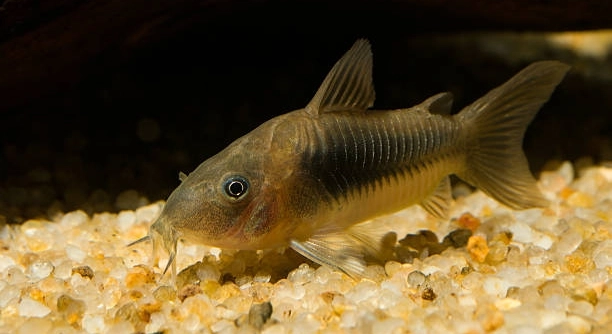
Corydoras catfish are known for their peaceful and active behavior, often becoming more active at night. Understanding why this happens can help you create the best environment for these fascinating fish in your aquarium.
The increased activity of Corydoras catfish at night is linked to their natural nocturnal habits. In the wild, they are more active during low-light conditions, which helps them avoid predators and hunt for food in the substrate.
There are various factors that contribute to this behavior, and learning about them can enhance your aquarium experience.
Natural Behavior of Corydoras Catfish
Corydoras catfish are naturally active at night due to their nocturnal instincts. In the wild, they tend to feed and explore their surroundings when it’s darker, helping them avoid predators. This behavior is deeply ingrained in their biology, and it’s important to remember that these fish are not simply being “lazy” during the day. Their heightened activity at night is simply their natural rhythm.
Their nighttime activity allows them to forage for food buried in the substrate. Corydoras catfish use their barbels to detect food particles, and this ability is particularly useful when there is less light, making it easier for them to navigate and search for food.
In captivity, this nocturnal activity can be observed when the aquarium lights are turned off. It’s important to adjust lighting schedules and ensure the fish have a comfortable environment to mimic their natural habitat. This helps them feel secure and encourages them to exhibit their natural behaviors, which contribute to their well-being.
Aquarium Lighting and Its Impact
Lighting plays a crucial role in the activity levels of Corydoras catfish. Too much light during the day can cause stress and make them less active.
Reducing the light or introducing a dimmer setting can encourage your Corydoras to be more active during their preferred hours. These fish do best when their environment reflects the low-light conditions they would experience in nature. This adjustment can make a big difference in their behavior and overall health. Keeping their environment as natural as possible is key to keeping them happy and active.
Feeding Habits and Activity
Corydoras catfish are bottom feeders and often become more active at night to search for food. This behavior is linked to their feeding instincts.
At night, they use their barbels to search the substrate for food particles. Their natural diet includes small invertebrates, detritus, and algae that they find buried in the sand or gravel. This activity occurs more effectively in low-light conditions, mimicking their natural habitat. Providing a varied diet of sinking pellets, live or frozen foods, and occasional plant matter will keep them engaged and active during their preferred hours.
Feeding them at night can help support their nocturnal activity. However, it’s essential not to overfeed, as leftover food can pollute the water and affect tank conditions. A balanced feeding schedule will maintain their energy levels and promote overall health. The more active your Corydoras are during their feeding times, the healthier they will be, leading to a more vibrant and dynamic aquarium.
Tank Setup for Nighttime Activity
The setup of your aquarium affects how active Corydoras catfish will be at night. They thrive in a well-maintained tank with plenty of hiding spots.
A well-planted tank offers areas where Corydoras can retreat, mimicking their natural environment. Live plants, rocks, and driftwood give them a sense of security and promote more natural behaviors. Additionally, fine substrate like sand is preferred, as it allows them to forage comfortably without damaging their sensitive barbels. Tank temperature and water quality are also crucial factors in maintaining healthy fish. Proper filtration and regular water changes will help keep your fish active and content.
Creating a stress-free environment with these considerations ensures that your Corydoras catfish remain active at night. Keeping their surroundings close to their natural habitat helps them feel more secure and encourages the behavior you want to see.
Water Conditions and Their Role
Water conditions greatly impact the activity of Corydoras catfish, especially during the night. Clean, stable water ensures your fish feel comfortable and active.
Maintaining a proper pH level, temperature, and water hardness is vital for their overall health. A stable water temperature between 72°F and 78°F is ideal for Corydoras. Regular water testing helps keep these factors in check.
Corydoras catfish are sensitive to changes in water quality. Poor water conditions can stress them, making them less active, especially during the night. This can lead to reduced feeding activity and overall health decline. Keeping the tank clean and well-filtered prevents these issues and encourages more active behavior.
Social Behavior of Corydoras
Corydoras catfish are social animals that feel more secure in groups. A small school of 4-6 fish will exhibit more natural behaviors, including being more active during the night.
Having tankmates helps reduce stress and encourages Corydoras to feel comfortable enough to explore and forage during their active hours. If kept alone, they might be more hesitant to be active, especially at night, when they feel more vulnerable.
Corydoras thrive when kept with peaceful species that won’t harass them. These interactions can create a more stable environment, allowing them to feel safe and engage more in their nocturnal activity.
FAQ
Why are Corydoras catfish more active at night?
Corydoras catfish are naturally nocturnal. In the wild, they are active at night to avoid predators and hunt for food more effectively. Their barbels help them locate food particles buried in the substrate. At night, they feel safer and can search for food without the constant threat of predators.
Is it normal for Corydoras catfish to be inactive during the day?
Yes, Corydoras catfish are most active during low-light conditions, typically at night. During the day, they may rest or hide in sheltered areas, especially if the lighting is too bright or they feel stressed. As long as they are active at night, there is no cause for concern.
What can I do to make my Corydoras catfish more active during the day?
If you want your Corydoras to be more active during the day, try adjusting the lighting and providing hiding places. Soft, dim lighting can encourage more daytime activity. Additionally, a well-planted tank with plenty of hiding spots can help them feel more secure and reduce daytime stress.
Do Corydoras catfish prefer being in groups?
Yes, Corydoras catfish are social creatures and thrive in groups. Keeping at least four to six Corydoras in a tank helps reduce stress and encourages natural behaviors, such as being more active during both day and night. A group provides comfort and promotes interaction.
How do I know if my Corydoras are stressed?
Stress in Corydoras can be identified by signs such as lethargy, loss of appetite, or hiding more frequently. If they are not active at night or seem to be avoiding food, it could be a sign that they are stressed. Poor water quality, improper tankmates, or inadequate lighting are common stress factors.
Can I keep Corydoras with other species?
Corydoras catfish are peaceful and get along well with most other peaceful species. Avoid keeping them with aggressive or overly active fish that might harass them. Corydoras do best in community tanks with other calm fish, such as small tetras or rasboras.
What is the best substrate for Corydoras catfish?
Corydoras catfish prefer soft, fine-gravel or sand substrates that allow them to forage without harming their barbels. Avoid sharp-edged gravel, as it can cause damage to their sensitive barbels. A fine substrate also makes it easier for them to search for food and feel comfortable.
How often should I feed my Corydoras catfish?
Feed your Corydoras catfish once or twice a day, offering small amounts of food they can eat within a few minutes. Overfeeding can lead to water quality issues, which might cause stress and inactivity. Provide a varied diet, including sinking pellets, frozen or live food, and occasional plant matter.
Are Corydoras catfish easy to care for?
Yes, Corydoras catfish are relatively easy to care for. They are hardy and adaptable, but they still require stable water conditions, a proper tank setup, and a good diet. They are peaceful and easy to keep in a community tank. Regular maintenance, such as water changes and checking water parameters, is key to keeping them healthy.
Do Corydoras catfish need a heater?
Corydoras catfish thrive in water temperatures between 72°F and 78°F. If your room temperature fluctuates, a heater can help maintain a stable environment for your fish. Ensure the heater is set correctly to avoid sudden temperature changes, which can stress the fish.
Can Corydoras catfish live with shrimp?
Yes, Corydoras catfish can live with shrimp as long as the shrimp are large enough not to be eaten. Corydoras are not aggressive towards small invertebrates, and shrimp can help keep the tank clean. However, avoid keeping Corydoras with very small shrimp that could be mistaken for food.
Why do my Corydoras catfish dig in the substrate?
Corydoras catfish dig in the substrate as part of their natural foraging behavior. They use their barbels to search for food buried in the gravel or sand. This behavior is perfectly normal and helps them find small invertebrates, detritus, and algae that make up their diet.
How long do Corydoras catfish live?
Corydoras catfish typically live between 5 to 10 years, depending on their care and the environment. Providing stable water conditions, a good diet, and proper tank mates can help them reach their full lifespan. Regular maintenance and monitoring their health will also contribute to their longevity.
Do Corydoras catfish need a filter?
Yes, a filter is essential for keeping the water clean and oxygenated. Corydoras catfish are sensitive to poor water quality, so a reliable filtration system is necessary to maintain good water parameters. Choose a filter with a gentle flow, as Corydoras prefer calm waters.
What is the ideal tank size for Corydoras catfish?
Corydoras catfish need a tank that is at least 20 gallons for a small group of 4-6 fish. A larger tank is ideal if you plan to keep more fish or add other species. A bigger tank helps maintain water quality and provides enough space for Corydoras to explore.
Final Thoughts
Corydoras catfish are fascinating creatures with unique behaviors, especially their nocturnal activity. Understanding why they are more active at night can help you better care for them. Their natural instincts drive them to seek food and feel more secure during the darker hours. By adjusting their environment to match their natural behavior, such as dimming the lights or providing more hiding spaces, you can encourage them to feel comfortable and active when they are most likely to engage in foraging.
Maintaining good water conditions and keeping them in groups are key factors in promoting the overall well-being of your Corydoras catfish. Stable water parameters, such as temperature, pH, and hardness, allow them to thrive and feel safe. A well-planted tank with a suitable substrate for digging will also encourage more natural behaviors. If your Corydoras are in a calm and secure environment with healthy tankmates, they will naturally be more active during the night, helping them stay healthy and happy.
Remember, while Corydoras catfish are typically active at night, there is no need to worry if they are resting during the day. Their instinctual behavior and preference for low-light environments make this pattern of activity normal. Keeping their tank clean, well-maintained, and full of hiding spots will create an ideal environment for your fish. With the right care, you can ensure your Corydoras catfish live a long, healthy life while showing their natural nocturnal tendencies.

Hello,
If you enjoy the content that we create, please consider saying a "Thank You!" by leaving a tip.
Every little bit helps us continue crafting quality advice that supports the health, happiness, and well-being of pets around the world, for pets of all shapes, sizes, and species.
We really appreciate the kindness and support that you show us!