
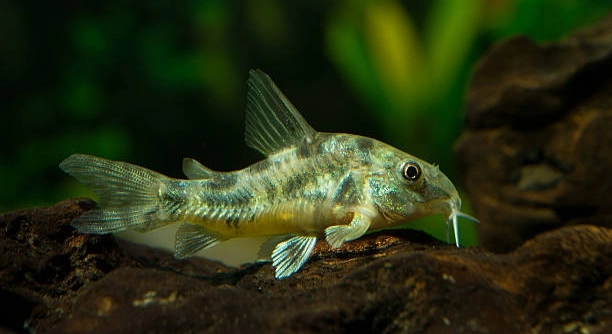
After a water change, you may notice that your Corydoras catfish becomes more active. This behavior change is often linked to various factors that affect the fish’s well-being and environment.
Water changes can improve water quality by removing toxins, increasing oxygen levels, and reducing stress for Corydoras catfish. These factors contribute to their increased activity, as healthier water promotes natural behavior and enhances the fish’s overall energy levels.
Understanding the connection between water changes and fish activity will help you maintain a healthy aquarium environment. This knowledge can support your efforts to keep your Corydoras catfish thriving.
Water Quality and Its Impact on Fish Behavior
Maintaining good water quality is essential for the health of any aquarium fish, including Corydoras catfish. After a water change, the water is usually clearer and contains fewer toxins, such as ammonia and nitrites, that can stress the fish. Clean water promotes a more stable environment, allowing the fish to feel more comfortable and less anxious. This leads to increased activity as the catfish feel safer and more confident exploring their surroundings. Over time, consistent water changes help maintain a healthy habitat, ensuring that the fish remain energetic and happy.
Regular water changes remove organic waste, excess food, and harmful chemicals from the water. By doing so, you can ensure that the water stays balanced and free from harmful pollutants that could otherwise make the fish sluggish. It’s important to change 20-30% of the water each week to keep the water conditions optimal for their health.
Water changes also promote the growth of beneficial bacteria, which break down waste and prevent toxic buildup. This keeps the water cleaner and reduces the chance of harmful substances accumulating. When the water quality is optimal, Corydoras catfish are more likely to display their natural behaviors, such as swimming around and interacting with their environment.
Oxygen Levels and Their Role in Fish Activity
Increased oxygen levels after a water change can make a noticeable difference in the behavior of your fish. Fish, like Corydoras, rely on dissolved oxygen in the water to thrive. When oxygen levels are low, they can become lethargic and may stay near the bottom of the tank. After a water change, the oxygen levels naturally rise, leading to more active and healthier fish.
Fish need proper oxygenation to support metabolic processes, so clean, well-oxygenated water encourages them to swim freely. This is particularly true for Corydoras catfish, which are naturally active bottom-dwellers. They may also begin to explore other areas of the tank after water changes. The improved oxygen supply encourages them to move around more and exhibit behaviors that are typical of their species, including foraging for food and interacting with tankmates.
Reduced Stress Levels After Water Changes
Water changes help reduce stress by improving the overall water conditions. For Corydoras catfish, a cleaner tank with fewer toxins makes for a more comfortable environment. This allows the fish to feel secure and less threatened by poor water quality. After a water change, they often show more natural, active behavior, such as swimming around and interacting with their surroundings.
Stress from poor water quality can cause Corydoras to hide or remain motionless. They are sensitive to changes in their environment, especially when ammonia or nitrate levels rise. A regular water change lowers these levels and helps maintain a stable environment, so the fish are more likely to engage in their typical behaviors, including foraging and swimming more freely.
A cleaner environment promotes healthier interactions with tankmates, too. When fish are stressed, they may become more territorial or aggressive. However, once the water quality is restored, these behaviors decrease. Corydoras catfish are social creatures, and once stress is reduced, they can display their more relaxed and active personalities.
Improved Tank Aesthetics and Its Effect on Behavior
After a water change, the tank looks noticeably clearer, which can influence the behavior of your Corydoras catfish. They are more likely to swim actively in an environment that is clean and visually appealing. Clean tanks allow better visibility, which enhances the overall well-being of the fish and encourages them to stay active.
A clear, clean tank encourages Corydoras to swim in open areas where they can explore. When the tank is cluttered with debris or murky water, the fish tend to avoid swimming around or may stay at the bottom. Once the water is fresh and clear, the fish feel more comfortable exploring the entire tank. This results in increased activity and an overall improvement in the catfish’s behavior, making them more engaging to observe.
With clearer water, the catfish also find it easier to locate food and interact with their environment. This increases their chances of staying active and healthy, leading to a more natural and vibrant lifestyle.
More Active After a Water Change Due to Better Nutrition
After a water change, the fish are more likely to actively search for food. Clean water means fewer toxins are present, which helps to keep their digestive system functioning properly. This can result in Corydoras catfish actively foraging for food around the tank and even interacting with their environment more.
When water conditions improve, Corydoras feel more comfortable and are more likely to explore their surroundings. Better water quality helps support their appetite and digestion, which contributes to more energetic behavior. The increase in activity often leads to them being more engaged with food, finding it quicker, and displaying natural hunting behaviors.
Healthy Fish Are More Active Fish
Good water quality helps promote the overall health of your Corydoras catfish. Healthier fish are naturally more active, swimming freely and exploring the tank. Regular water changes help reduce the buildup of harmful substances like ammonia, nitrites, and nitrates, ensuring the fish stay in optimal health. When these levels are controlled, Corydoras are more energetic and less likely to exhibit sluggish behavior.
Maintaining stable water conditions also supports the growth of beneficial bacteria. These bacteria help break down waste, creating a cleaner, healthier environment. Healthy fish that are not stressed by poor water quality are more active and display the full range of their natural behaviors. Regular water changes are a key factor in ensuring your fish remain healthy and engaged.
Consistent Water Changes Encourage Natural Behavior
Routine water changes keep your aquarium environment stable, which is key for maintaining healthy fish. Corydoras catfish thrive in environments where water quality is consistently managed, leading to more predictable and active behavior.
FAQ
Why is my Corydoras catfish more active after a water change?
Corydoras catfish become more active after a water change due to the improvement in water quality. Clean water reduces toxins like ammonia, nitrites, and nitrates, which can cause stress and lethargy. When these toxins are removed, the water becomes a healthier environment, allowing the fish to feel more secure and comfortable. With less stress, they are more likely to swim freely and exhibit natural behaviors like foraging and exploring their surroundings. Oxygen levels also tend to rise after a water change, further boosting their activity levels.
How often should I change the water in my aquarium?
A good rule of thumb is to change about 20-30% of the water each week. This helps to maintain stable water quality by removing excess waste, toxins, and organic matter. Regular water changes also prevent the buildup of harmful chemicals, which can cause stress and illness in your Corydoras catfish. If you notice that your water gets dirty quickly or if your tank is overstocked, you may need to adjust the frequency of water changes. Consistency is key to keeping the water clean and the fish healthy.
Can a water change make my Corydoras catfish more stressed?
While water changes are generally beneficial, they can cause stress if done improperly. Rapid changes in water temperature or pH can shock your fish, leading to stress or even illness. To avoid this, always ensure that the new water is at the same temperature as the tank water and that its pH and hardness levels match as closely as possible. A slow and steady water change process will prevent stress. Additionally, avoid disturbing the tank too much while performing the water change to minimize any further disruption to your fish’s environment.
What should I do if my Corydoras catfish becomes lethargic after a water change?
If your Corydoras catfish becomes lethargic after a water change, check the water parameters to ensure they are within the ideal range for the species. Common issues that could cause lethargy include sudden changes in temperature, pH, or high ammonia or nitrite levels. If the water quality is off, you may need to perform another water change or adjust the water parameters. Lethargy can also be a sign of illness or stress from improper handling during the water change, so be sure to keep the tank environment stable and minimize any disturbances.
Do Corydoras catfish need special water conditions?
Yes, Corydoras catfish thrive in slightly acidic to neutral water with a temperature range of 72-78°F (22-26°C). They also prefer soft to moderately hard water. While they are hardy fish, their activity levels and overall health depend on maintaining the right water conditions. Regular water changes help keep the water clean and stable, which is essential for the catfish’s well-being. Avoid using tap water with high levels of chlorine or chloramine, as these can harm your fish. Using a water conditioner can help neutralize these chemicals.
Can I use a filter instead of water changes?
While a filter helps maintain water clarity by removing debris and organic matter, it is not a substitute for regular water changes. Filters do not remove dissolved toxins like ammonia and nitrates, which can build up over time. Water changes are necessary to keep the water quality in check and prevent the accumulation of harmful substances. However, using a high-quality filter in conjunction with regular water changes will help create a healthier environment for your Corydoras catfish.
Do Corydoras catfish need aeration in the tank?
Corydoras catfish are bottom-dwellers and don’t require as much surface agitation as other species, but they still benefit from proper oxygen levels in the water. A gentle filter or air pump can help maintain oxygen levels in the tank, especially if the tank is heavily stocked or has a lot of organic matter. Ensuring that oxygen levels are adequate after a water change can further boost your catfish’s activity levels. Aeration is particularly helpful in tanks with low surface movement or where water tends to stagnate.
Can I overdo water changes?
While regular water changes are important, overdoing them can cause instability in the tank environment. Frequent, large water changes may lead to rapid fluctuations in water temperature, pH, or hardness, which can stress the fish. It’s best to aim for 20-30% changes each week, as this allows you to maintain good water quality without shocking the system. In tanks with very high fish populations, you may need to adjust the frequency, but always be cautious when making changes to avoid stressing the fish.
What should I do if my Corydoras catfish is showing signs of illness after a water change?
If your Corydoras catfish shows signs of illness after a water change, first check the water parameters to rule out any sudden changes that could have caused stress. Ammonia, nitrite, or nitrate spikes, as well as extreme pH or temperature shifts, can lead to health issues. If the water quality is not the problem, inspect the fish for visible signs of illness, such as lesions, swelling, or unusual behavior. If necessary, isolate the fish in a quarantine tank and treat accordingly. It’s important to ensure that the water conditions are optimal to prevent further stress or illness.
Should I change the water before or after feeding my Corydoras catfish?
It is generally better to change the water before feeding your Corydoras catfish. Changing the water beforehand helps to ensure that the environment is as clean and stable as possible before introducing food into the tank. Feeding after a water change ensures that food particles are not trapped in old debris or waste, and it allows the fish to enjoy their meal in cleaner water. Additionally, feeding before a water change could lead to uneaten food causing water quality issues if not removed in time.
Can Corydoras catfish survive in dirty water for long periods?
Corydoras catfish are hardy fish, but they do not thrive in dirty water for long periods. Poor water quality can lead to stress, weakened immune systems, and even death over time. A build-up of toxins, such as ammonia and nitrites, can cause serious harm to the fish, leading to lethargy, loss of appetite, and poor overall health. Regular water changes are necessary to keep the water quality within the acceptable range and ensure that your fish remain active and healthy. Keeping the tank clean will significantly improve the lifespan and well-being of your Corydoras.
Final Thoughts
Corydoras catfish thrive in clean, well-maintained water, and regular water changes play a crucial role in maintaining their health and activity levels. After a water change, you may notice that your fish are more energetic and active. This is due to the improvement in water quality, which reduces stress and allows your Corydoras to swim more freely and interact with their surroundings. Fresh water with proper oxygen levels and fewer toxins creates an environment where your catfish can flourish.
It’s important to keep in mind that while water changes are necessary, they should be done in moderation. Too many changes can disrupt the balance of the tank, potentially stressing the fish or causing temperature or pH fluctuations. Stick to a regular routine of changing 20-30% of the water weekly to keep your Corydoras healthy without causing unnecessary stress. It’s also essential to monitor water parameters such as ammonia, nitrite, and nitrate levels to ensure they stay within safe limits. Maintaining a consistent environment with good water quality will keep your fish more active and reduce the likelihood of illness or lethargy.
In conclusion, water changes are an essential part of aquarium care for Corydoras catfish. They help maintain a healthy, stable environment where your fish can thrive. By following a regular water change schedule and monitoring water quality, you can ensure that your catfish remain active and healthy. Small changes can make a big difference in the well-being of your aquarium, and the increased activity of your Corydoras after a water change is just one of the many benefits of keeping their environment clean and balanced.

Hello,
If you enjoy the content that we create, please consider saying a "Thank You!" by leaving a tip.
Every little bit helps us continue crafting quality advice that supports the health, happiness, and well-being of pets around the world, for pets of all shapes, sizes, and species.
We really appreciate the kindness and support that you show us!