
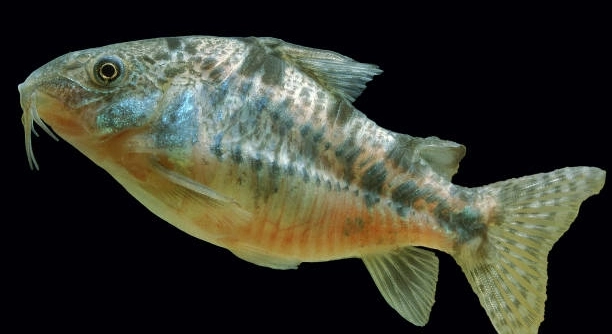
Corydoras catfish are popular aquarium fish known for their playful nature and colorful appearance. However, if you notice your catfish losing its vibrant hues, it could be a sign of underlying issues.
The most common reasons for Corydoras catfish losing color are stress, poor water conditions, an unbalanced diet, or an illness. These factors can cause their color to fade and can even affect their overall health.
Addressing these factors can help restore your catfish’s natural color and vitality. Understanding how to maintain the right conditions for them is key to ensuring they stay healthy and vibrant.
Stress in Your Corydoras Catfish
Stress is one of the main reasons your Corydoras catfish may lose color. Changes in their environment, such as overcrowding, loud noises, or aggressive tank mates, can cause them to feel uneasy. When they are stressed, their color will often fade as a response to the discomfort.
If you’ve noticed that your catfish’s color has dulled, take a close look at the tank setup. Stress from an inappropriate environment can lower your catfish’s immune system and lead to health problems, making them more susceptible to disease.
To reduce stress, ensure your Corydoras have enough space to swim freely and are not exposed to sudden temperature fluctuations. A peaceful tank environment is essential for them to feel safe and thrive. Keep an eye on their behavior, and if they are interacting aggressively with other fish, consider moving them to a different tank.
Poor Water Quality
Poor water quality can also contribute to fading color in Corydoras catfish. These fish are sensitive to changes in their water’s pH, ammonia, and nitrate levels.
Regular water changes and using a good filtration system can help maintain a clean environment. Test the water regularly to ensure it’s within the ideal range for Corydoras.
Diet Imbalance
A poor diet can lead to color fading in Corydoras catfish. These fish need a varied and balanced diet to stay healthy and maintain their vibrant color. If they’re only eating one type of food, they might not be getting the nutrients they need.
Inadequate nutrition can result in a lack of essential vitamins and minerals. Corydoras need foods rich in carotenoids, which support color enhancement. These can be found in high-quality pellets, frozen foods, or live foods like brine shrimp or daphnia.
To restore color, offer a varied diet that includes both plant and animal matter. Make sure the food you provide contains the right balance of proteins, fats, and nutrients. Keep in mind that feeding your catfish once or twice a day with smaller portions can help maintain their health.
Illness or Parasites
Illness or parasites can cause Corydoras catfish to lose their color. Common signs of illness include faded colors, sluggishness, or abnormal swimming behavior.
When Corydoras are affected by parasites, their immune systems become weakened, which can make them more prone to color loss. Parasites like Ich or external skin infections may cause distress, further impacting their appearance. If your catfish is sick, it’s important to isolate them from other fish immediately to prevent the spread of the infection.
Consult a veterinarian or fish expert to help diagnose and treat the illness. Treating the tank with appropriate medications will help your catfish recover, restoring their color.
Overcrowded Tank
An overcrowded tank is another reason your Corydoras catfish may lose color. When there are too many fish in a tank, it causes stress, reduces oxygen levels, and increases waste, all of which affect your catfish’s health.
Corydoras prefer plenty of space to swim freely. When overcrowded, they may not get enough food or adequate hiding spots, which can lead to stress and color loss.
Keep the number of fish in your tank manageable to ensure proper water quality and reduce stress. It’s essential to provide each fish with adequate space to thrive.
Water Temperature
Corydoras catfish are sensitive to water temperature. If the water is too hot or too cold, it can cause stress, making their colors fade.
Ensure that the tank’s temperature remains within the ideal range, typically between 72°F and 78°F. Using a reliable aquarium heater will help regulate temperature, keeping your fish comfortable and their colors vibrant.
Lack of Hiding Spots
Corydoras catfish are shy and enjoy having places to hide in their tank. Without hiding spots, they may feel exposed and stressed, leading to color fading.
Adding caves, plants, or decorations in your tank will provide them with shelter and help them feel more secure.
FAQ
Why is my Corydoras catfish’s color fading?
Corydoras catfish may lose color due to stress, poor water quality, diet imbalances, or illness. These factors can cause their immune systems to weaken, leading to fading. Stress from overcrowding, aggressive tank mates, or a lack of hiding places are common causes.
How do I fix my Corydoras catfish’s fading color?
To restore color, focus on improving water quality, reducing stress, and offering a balanced diet. Make sure the water’s temperature, pH, and oxygen levels are ideal. Provide enough space in the tank and reduce overcrowding. Also, introduce a variety of high-quality foods to their diet.
What water conditions are best for Corydoras catfish?
Corydoras thrive in slightly acidic to neutral water with a temperature range of 72°F to 78°F. The water should be clean, with ammonia and nitrite levels at 0, and nitrate levels below 20 ppm. Regular water changes and proper filtration help maintain these conditions.
Can I keep Corydoras catfish with other fish?
Yes, Corydoras catfish are peaceful and can live with many other species. However, avoid keeping them with aggressive fish that may stress them. They do best in community tanks with other peaceful fish. Be mindful of the tank size and provide hiding spots.
How often should I feed my Corydoras catfish?
Feed your Corydoras catfish once or twice a day, offering small portions they can finish within a few minutes. A varied diet of pellets, frozen foods, and live foods, like brine shrimp, will help keep them healthy and colorful. Avoid overfeeding, as it can lead to water quality issues.
Why does my Corydoras catfish swim strangely?
Unusual swimming patterns, such as swimming at the surface or near the bottom, could indicate stress, illness, or poor water quality. If the swimming behavior is accompanied by other signs like fading color or lethargy, check the tank’s conditions and consider isolating the fish for treatment.
What should I do if my Corydoras catfish is sick?
If your Corydoras shows signs of illness, such as faded colors, clamped fins, or abnormal swimming, isolate the fish immediately. Check the water conditions and treat the tank with appropriate medication. Consult a veterinarian or a fish expert to diagnose and treat the illness effectively.
Can temperature changes affect my Corydoras catfish’s color?
Yes, sudden temperature fluctuations can cause stress in Corydoras, leading to color loss. Maintain a stable water temperature between 72°F and 78°F to keep your fish healthy. Invest in an aquarium heater with a thermometer to prevent drastic changes in temperature.
Is it normal for Corydoras catfish to lose color when stressed?
Yes, stress is one of the main reasons Corydoras catfish lose their color. Overcrowding, aggressive tank mates, or a lack of hiding spots can all contribute to stress. By addressing these issues, you can help your fish regain its color and overall well-being.
Can Corydoras catfish live without hiding spots?
No, Corydoras are shy and need places to hide in their tank. Lack of hiding spots can cause stress, which leads to color loss. Adding caves, plants, or other decorations provides them with shelter, making them feel more secure and less stressed.
What is the best way to clean the tank for Corydoras catfish?
To keep your Corydoras healthy, clean the tank regularly. Perform 25-30% water changes every week, remove debris, and vacuum the substrate. Make sure the filter is working well, and clean it monthly. Always check the water parameters after cleaning to ensure they’re in the right range.
How can I improve my Corydoras catfish’s diet?
Offer a varied diet to provide your Corydoras with the necessary nutrients. Include high-quality pellets, freeze-dried or frozen foods like bloodworms, and live foods such as brine shrimp or daphnia. This variety helps improve their health, colors, and overall condition.
Do Corydoras catfish need a high flow of water?
No, Corydoras prefer calm waters. Strong water currents can stress them out and cause them to lose color. Ensure that the water flow in the tank is gentle by using a filter with adjustable flow or adding plants and decorations to diffuse the current.
Can Corydoras catfish be kept with plants?
Yes, Corydoras catfish benefit from having plants in their tank. Plants provide hiding spots, reduce stress, and create a more natural environment for the fish. Just be sure to choose plants that won’t be uprooted easily and avoid those with sharp edges that could harm the fish.
How do I prevent disease in Corydoras catfish?
Preventing disease starts with maintaining optimal water quality, reducing stress, and feeding a balanced diet. Regularly check the water conditions and perform routine maintenance like water changes and filter cleaning. If you add new fish, quarantine them first to avoid introducing any pathogens to your tank.
What are the signs of parasites in Corydoras catfish?
Signs of parasites include faded color, abnormal swimming, or visible spots on the skin. Corydoras might also rub against objects in the tank or have clamped fins. If you suspect parasites, treat the tank with anti-parasitic medications and isolate affected fish immediately.
Final Thoughts
Taking care of Corydoras catfish can be a rewarding experience, but it requires attention to their needs. If you notice your catfish losing color, it’s important to assess their environment and health. Factors like water quality, stress, and diet play a significant role in maintaining their vibrant colors. By understanding what causes these changes, you can make adjustments to help your catfish regain their health and appearance.
One of the most common reasons for color loss is poor water quality. Corydoras are sensitive to ammonia, nitrites, and fluctuating pH levels. Regular water changes, using a good filter, and testing the water frequently are essential steps to keep the water conditions stable. In addition, maintaining a consistent temperature and avoiding overcrowding can reduce stress, which is another major cause of fading colors. Corydoras are peaceful fish that prefer a calm, quiet environment, so minimizing tank disruptions and providing plenty of hiding spaces is important.
Lastly, diet plays a crucial role in the health of your Corydoras catfish. A varied diet that includes high-quality pellets, live, or frozen food like brine shrimp or bloodworms ensures they get the necessary nutrients for vibrant colors and overall well-being. It’s important to avoid overfeeding, as excess food can lead to poor water conditions, which could further stress the fish. By carefully monitoring the health and environment of your catfish, you can help them stay healthy, colorful, and happy in your aquarium.

Hello,
If you enjoy the content that we create, please consider saying a "Thank You!" by leaving a tip.
Every little bit helps us continue crafting quality advice that supports the health, happiness, and well-being of pets around the world, for pets of all shapes, sizes, and species.
We really appreciate the kindness and support that you show us!