
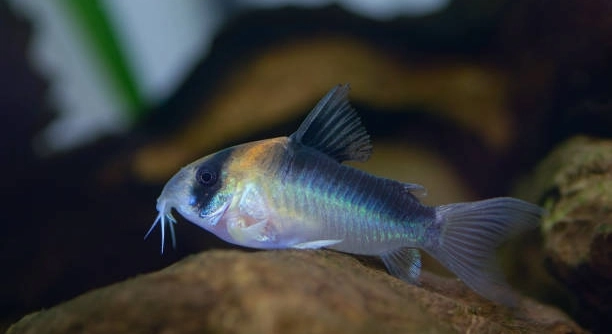
Corydoras catfish are often loved for their bright colors and playful nature in aquariums. However, when their color starts to fade, it can be concerning for many fish owners. This article covers some common reasons behind this change.
The loss of color in Corydoras catfish is typically due to poor water quality, stress, or health issues. Nutritional deficiencies, temperature fluctuations, and inadequate tank conditions can also contribute to this color change.
Understanding the causes of color loss can help improve your fish’s health and restore their vibrancy. There are simple steps you can take to address these issues and create a better environment for your catfish.
Poor Water Quality Can Lead to Color Loss
When the water in your aquarium isn’t kept clean, your Corydoras catfish can start to lose their color. Dirty water, high ammonia levels, or low oxygen can cause stress to fish, which can make their colors fade. Over time, harmful chemicals and bacteria may also build up in the tank, making the environment unhealthy for your fish.
Regular water changes and the use of good filtration systems are key to maintaining healthy water conditions. Testing the water regularly for ammonia, nitrites, and nitrates can help you catch problems before they become serious.
Keeping your aquarium clean and maintaining the right balance of chemicals helps ensure your catfish stay vibrant. Proper water conditions are essential for their overall health, and they play a huge role in keeping their natural color. For Corydoras, clear, fresh water is a must to keep them active and colorful.
Stress Can Have a Major Impact
Stress is another big reason your Corydoras catfish may lose color.
Common stressors include sudden temperature changes, overcrowding, and tank mates that are too aggressive. When fish are stressed, they often show it by becoming pale or hiding more than usual. This can be a sign that something in their environment is wrong.
Fish are sensitive to changes in their surroundings. Sudden shifts in temperature can cause them to stress out, and this can affect their health and appearance. Keeping the tank at a stable, appropriate temperature helps avoid this issue. Additionally, overstocking your tank or adding incompatible tank mates increases stress levels. Overcrowding can lead to competition for resources, which can stress out your catfish.
Providing plenty of hiding spots and keeping the environment peaceful will keep your Corydoras catfish less stressed. When your catfish are calm, they’ll retain their natural colors and be more active.
Nutritional Deficiencies
Poor diet is another common factor that can affect the color of Corydoras catfish. If they aren’t getting the right nutrients, their natural pigments may begin to fade. A diet lacking essential vitamins, minerals, or protein can cause their bodies to lack the energy they need to stay colorful.
Corydoras are bottom feeders, and in the wild, they often eat a wide variety of foods. To ensure your catfish maintain their color, feed them a balanced diet that includes high-quality pellets, flakes, and occasional live or frozen foods like bloodworms.
Adding variety to their diet helps keep them healthy and vibrant. Make sure to avoid overfeeding as this can lead to other health problems. Offering small amounts of food throughout the day is better than feeding them all at once.
Incompatible Tank Mates
Aggressive or overly active tank mates can stress out your Corydoras catfish. This leads to fading colors and a lack of confidence. Fish that constantly chase or harass them can make the catfish feel unsafe, which impacts their health and color.
To avoid this, ensure that your Corydoras are paired with peaceful, non-aggressive fish. Species like guppies or tetras usually get along well with Corydoras. Avoid aggressive fish, such as cichlids or large predatory species, as they can create constant stress in the tank. A peaceful environment promotes healthy fish and vibrant colors.
It’s important to provide hiding spots and plenty of space to allow your Corydoras to feel secure. If they have places to retreat to, they’ll experience less stress. A safe space gives them a chance to rest and recover, helping them keep their natural color.
Temperature Fluctuations
Temperature swings in the tank can cause Corydoras to lose color. These fish are sensitive to sudden changes in water temperature, which can make them anxious and pale.
Corydoras thrive in stable temperatures, ideally between 72-78°F (22-26°C). Keeping the water temperature consistent helps prevent stress and maintain their color. You can use an aquarium heater to ensure that the tank temperature remains constant, especially in colder climates.
Sudden temperature shifts can weaken your fish’s immune system and make them more vulnerable to illness. A stable and warm environment is crucial for their health, so always monitor the water temperature to keep your Corydoras feeling comfortable and colorful.
Poor Lighting
Inadequate lighting can cause Corydoras catfish to lose their color. Without enough light, their natural pigments don’t develop properly, leading to a duller appearance. Proper lighting encourages them to display their full range of colors.
Make sure your aquarium has proper lighting for at least 8-12 hours each day. Use gentle aquarium lights that simulate natural sunlight. Overly bright or too dim lighting can both stress your fish, so balance is key. Consistent lighting is important to help your Corydoras stay colorful and active.
Illness or Parasites
Fish diseases, parasites, and infections can contribute to color loss in Corydoras. When sick, fish often lose their vibrancy due to weakened immune systems.
Look for signs of illness such as unusual behavior, spots, or lesions on the skin. If you suspect your fish is unwell, quarantine them and consult a vet specializing in fish care. Prompt treatment helps prevent the spread of illness and can restore color over time.
FAQ
Why is my Corydoras catfish losing color?
Color loss in Corydoras is often a sign of stress, poor water conditions, or health issues. Factors like bad water quality, temperature fluctuations, or an inadequate diet can cause your fish to lose their vibrant colors. It’s important to assess the water conditions, check for stressors, and ensure they’re getting proper nutrition.
Can Corydoras recover their color?
Yes, Corydoras can recover their color if the underlying issue is addressed. Once you fix the cause, whether it’s improving water quality, providing a better diet, or reducing stress, your fish may regain their natural vibrancy over time. It’s essential to be patient and keep monitoring their environment to make sure they remain healthy.
How often should I change the water for my Corydoras?
Water changes should be done at least once a week. Corydoras thrive in clean, well-maintained water. Changing 25-30% of the water each week helps maintain good water quality by removing waste, toxins, and debris. Always test the water for ammonia, nitrites, and nitrates before and after each change.
Can Corydoras live with other fish?
Yes, Corydoras are peaceful fish and can live with a variety of other non-aggressive species. They do well with small fish like guppies, tetras, or shrimp. Avoid keeping them with aggressive fish, such as cichlids or large predators, as these can cause stress and lead to color loss.
Is it normal for Corydoras to change color?
Some color change can be normal, especially when Corydoras are stressed or adjusting to a new environment. However, drastic or sudden color loss usually points to an underlying issue that needs to be addressed. If your fish is losing color over time, it’s important to investigate the cause and fix it as soon as possible.
What water temperature is best for Corydoras?
Corydoras prefer water temperatures between 72-78°F (22-26°C). Keeping the temperature stable helps reduce stress and supports healthy pigmentation. Avoid sudden temperature fluctuations as these can weaken your fish’s immune system, potentially leading to health issues and color loss. Using a heater can help maintain the temperature.
What should I feed my Corydoras catfish?
Corydoras are omnivores, meaning they eat both plant and animal matter. Provide them with a varied diet that includes high-quality pellets, algae wafers, and occasional treats like bloodworms or brine shrimp. A balanced diet ensures they get the essential nutrients needed to maintain their health and vibrant color.
Can water hardness affect the color of my Corydoras?
Yes, water hardness can impact Corydoras’ health and coloration. These fish prefer soft to moderately hard water with a pH level of around 6.5-7.5. If the water is too hard or too alkaline, it can cause stress and affect their overall well-being, including their color. Test your water regularly to ensure it’s within the ideal range for Corydoras.
Do Corydoras need a filter?
Yes, Corydoras need a good filtration system to keep the water clean and oxygenated. A filter helps maintain water quality by removing waste and debris. Make sure the filter is gentle enough to avoid strong currents that could stress your fish. Regular maintenance of the filter is essential to keep your tank in optimal condition.
How can I reduce stress in my Corydoras catfish?
To reduce stress, make sure your Corydoras have a peaceful environment. Provide plenty of hiding spots, such as plants, caves, or rocks, where they can retreat when feeling threatened. Avoid aggressive tank mates, and keep the water temperature stable. A calm, stable environment promotes a healthy fish and vibrant colors.
How long does it take for Corydoras to regain their color?
The time it takes for Corydoras to regain their color depends on the cause of the color loss. If stress or poor water quality is the issue, you may notice improvement in a few days to weeks once the problem is corrected. If the fish has been ill or malnourished, recovery may take longer. Be patient and continue to maintain ideal water conditions to help your catfish fully recover.
What are the signs that my Corydoras catfish is stressed?
Signs of stress in Corydoras include hiding more than usual, losing color, swimming erratically, or breathing rapidly. They may also become more lethargic or refuse to eat. If you notice any of these symptoms, it’s important to check the water conditions and address any environmental stressors, such as tank mates or temperature fluctuations.
Can Corydoras live in cold water?
Corydoras are tropical fish and prefer warmer water temperatures. They should not be kept in cold water environments. Keeping them in temperatures below 72°F (22°C) can cause stress and health issues, including color loss. If you live in a cooler climate, it’s best to use a heater to maintain the proper temperature range for your Corydoras.
Are Corydoras susceptible to diseases that cause color loss?
Yes, Corydoras can be susceptible to diseases that lead to color loss. Common diseases like ich, bacterial infections, or parasitic infestations can cause fish to become pale or lose their vibrant colors. If you notice any signs of illness, such as abnormal spots or lesions, it’s important to isolate the affected fish and treat them as soon as possible.
What should I do if my Corydoras isn’t eating?
If your Corydoras isn’t eating, it could be a sign of stress, illness, or poor water conditions. First, check the water parameters, ensuring ammonia and nitrite levels are safe. If the water quality is fine, check for signs of illness or parasites. If your fish continues to refuse food, seek advice from a fish vet or aquarium specialist.
Can I keep Corydoras with shrimp?
Yes, Corydoras are generally peaceful and can be kept with shrimp. In fact, they can help clean up leftover food from the tank floor, making them a good companion for shrimp. However, avoid very small shrimp species that may be stressed by the presence of Corydoras. Always ensure your shrimp have hiding spots to feel secure.
Final Thoughts
Corydoras catfish are usually hardy and colorful fish that make great additions to most aquariums. However, when they start losing their vibrant colors, it can be a sign that something is wrong in their environment. As we’ve seen, there are several factors that can contribute to color loss, such as poor water quality, stress, and diet. By addressing these factors and maintaining proper care, your Corydoras can return to their healthy, colorful selves.
One of the most important steps in ensuring your Corydoras remain healthy is regular water maintenance. Keeping the water clean and properly balanced is essential for their well-being. Make sure to test the water often, remove waste, and change a portion of the water regularly. This will help keep ammonia, nitrates, and nitrites in check, all of which can be harmful to fish. Also, don’t forget the importance of stable water temperatures. Corydoras thrive in a consistent, warm environment, so avoid sudden temperature fluctuations.
In addition to good water quality, providing a well-balanced diet and reducing stress are key components to keeping your Corydoras vibrant. Offer a variety of food, such as high-quality pellets, algae wafers, and occasional protein-rich treats. At the same time, make sure your aquarium has peaceful tank mates and plenty of hiding spots. Creating a stress-free environment will allow your Corydoras to thrive and keep their colors intact. By paying attention to these simple yet essential factors, your fish will stay healthy, colorful, and happy.

Hello,
If you enjoy the content that we create, please consider saying a "Thank You!" by leaving a tip.
Every little bit helps us continue crafting quality advice that supports the health, happiness, and well-being of pets around the world, for pets of all shapes, sizes, and species.
We really appreciate the kindness and support that you show us!