
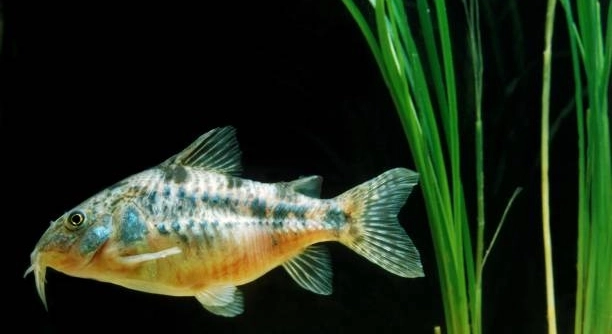
If your Corydoras catfish has stopped eating food it once eagerly consumed, you might be concerned. It can be puzzling when a once-hungry fish suddenly becomes disinterested in meals. There could be several reasons for this behavior.
The most common reasons for a Corydoras catfish ignoring food include water quality issues, changes in diet, stress, or even illness. Environmental factors like temperature or water chemistry can affect their appetite, as can the introduction of new foods or tank mates.
Understanding why this happens is crucial for your fish’s well-being. By recognizing the potential causes, you can address the issue and help your Corydoras return to its healthy eating habits.
Water Quality Issues Can Lead to Appetite Loss
Your Corydoras catfish might stop eating if the water quality in its tank is poor. Fish are highly sensitive to changes in their environment, and dirty or unbalanced water can cause stress and decrease their appetite. The presence of high ammonia levels, nitrites, or nitrates, along with incorrect pH levels, can be harmful. Additionally, a fluctuating water temperature can also impact their eating habits. Maintaining a consistent water temperature and keeping the tank clean are essential for your fish’s health. Regular water changes and the use of a good filtration system can help prevent water-related issues. If you notice that your Corydoras is ignoring food, check the water conditions as your first step. Proper maintenance ensures that your fish feel safe and comfortable, leading to a healthy feeding routine.
Water quality is crucial to your Corydoras catfish’s well-being. If the water conditions aren’t right, the fish may avoid eating.
Take the time to monitor the water parameters and make necessary adjustments. Clean the tank regularly, ensure proper filtration, and watch for any shifts in the fish’s behavior.
Stress From Tank Changes
Stress from changes in the tank environment can also cause your Corydoras catfish to stop eating. If you’ve recently added new tank mates, rearranged decorations, or introduced new equipment, your fish may feel uneasy. These changes can disrupt their sense of security, making them reluctant to eat. Corydoras are bottom dwellers that prefer stable surroundings. A sudden alteration in their habitat can lead to stress-induced anorexia.
To help your Corydoras settle back in, it’s essential to give them time to adjust. If you’ve added new tank mates, consider observing how they interact with each other. Some fish might be more aggressive or territorial, and this could intimidate your Corydoras. Additionally, maintaining a calm environment with consistent lighting and minimal disruptions will help ease the stress. It’s important to avoid constantly changing the tank setup, as this can increase anxiety levels.
Give your Corydoras a chance to acclimate. Keeping the tank environment stable can significantly reduce stress, allowing your fish to resume eating.
Illness Can Affect Your Fish’s Appetite
If your Corydoras catfish is suddenly avoiding food, illness might be the cause. Like any other fish, Corydoras can get sick from infections, parasites, or internal issues that may disrupt their eating habits. It’s important to watch for signs like lethargy, unusual swimming patterns, or visible sores.
Common illnesses affecting Corydoras include bacterial infections, skin parasites, and intestinal parasites. If the fish is sick, it may feel too weak or stressed to eat. In some cases, you might notice bloating, white spots on the skin, or changes in the gills. These signs should not be ignored, as early treatment increases the chance of recovery.
If you suspect illness, consider isolating the sick fish in a quarantine tank. This way, it can recover without the risk of spreading disease to other tank mates. Administering the proper medication based on the diagnosis can help address the illness, allowing your fish to regain its appetite.
Feeding Issues With Diet Changes
Corydoras can be picky about their food, especially if you’ve recently changed their diet. They often prefer sinking pellets or small pieces of food that mimic their natural diet. If you’ve introduced new foods that are too large or have an unfamiliar smell, they may refuse to eat.
When switching food brands or types, it’s best to do so gradually. Mix the old and new foods to allow your Corydoras time to adjust. If you’ve been offering live food like worms or shrimp, it might also take them time to accept different types of food. Be patient and observe their preferences. Providing a variety of food options can help encourage them to eat again.
Pay attention to their feeding habits and be flexible with their diet. Sometimes, sticking with a familiar food choice will lead to a quicker return to normal eating behavior.
Temperature Changes Affect Eating Habits
Corydoras are sensitive to temperature fluctuations. If the water in your tank is too cold or too hot, it can cause your fish to stop eating. Corydoras typically thrive in water temperatures between 72°F and 78°F. Anything outside this range can cause stress.
If the water temperature is inconsistent, Corydoras may feel uncomfortable and avoid food. Sudden changes, like a heating system malfunction or cold drafts, can further disturb their eating habits. Ensure your aquarium has a stable temperature, using heaters or coolers as needed, to maintain an ideal environment for your fish.
Maintaining a constant temperature will help reduce stress and keep your Corydoras eating regularly.
Overcrowding and Competition for Food
Overcrowded tanks can lead to competition for food, causing your Corydoras to eat less. If there are too many fish in the tank, it can result in a stressful environment, especially during feeding times.
Corydoras are peaceful fish and tend to shy away from aggressive tank mates. If other fish in the tank are more dominant, they may push the Corydoras away from food. This makes it difficult for them to eat, leading to a decrease in appetite. Reducing the number of fish in the tank or feeding in smaller amounts can help ensure everyone gets their share.
Ensuring your fish are not competing for food will help restore their eating habits.
Wrong Tank Mates Can Cause Stress
Not all fish get along. Corydoras can be sensitive to aggressive or overly active tank mates. If your tank has fish that chase or harass your Corydoras, it may cause stress, leading them to stop eating.
FAQ
Why is my Corydoras catfish ignoring its food?
There are several reasons why your Corydoras catfish might stop eating. Most commonly, it’s due to water quality issues, stress from tank changes or new tank mates, illness, or a sudden change in diet. Corydoras are sensitive to their environment, and any disturbance can cause them to lose their appetite. Ensuring a stable and clean tank, along with maintaining proper water parameters, is key to keeping your fish healthy and eating regularly.
How can I tell if my Corydoras catfish is sick?
Sick Corydoras may show several signs, such as lethargy, erratic swimming, visible sores, or bloating. They might also avoid food and stay at the bottom of the tank more than usual. If you notice white spots, redness, or changes in gill movement, it’s a sign that your fish may have an infection or parasite. Isolating the sick fish and treating it with the appropriate medication can help improve its condition.
How do I know if the water temperature is affecting my fish?
Corydoras are sensitive to temperature extremes. If the water is too hot or cold, your fish may stop eating or appear stressed. The ideal water temperature for Corydoras is between 72°F and 78°F. You can check the water temperature using a reliable aquarium thermometer. If the temperature is outside this range, use a heater or cooler to bring it back to the optimal level. A consistent temperature will help reduce stress and encourage your fish to eat again.
What type of food should I feed my Corydoras catfish?
Corydoras catfish are bottom dwellers and prefer sinking pellets or small pieces of food that sink to the bottom. They may also enjoy live or frozen foods like bloodworms, brine shrimp, or daphnia. A varied diet is important to ensure they receive all the necessary nutrients. Avoid overfeeding, as uneaten food can pollute the tank. Make sure to remove any leftovers to keep the water quality stable.
Can stress cause my Corydoras to stop eating?
Yes, stress is one of the main reasons Corydoras might ignore food. Stress can be caused by poor water quality, overcrowding, new tank mates, or changes in the tank setup. Corydoras thrive in stable environments and can easily become stressed if there is too much movement in the tank, aggressive tank mates, or sudden changes in their environment. Reducing stress by ensuring proper tank conditions and giving your Corydoras time to acclimate can help restore their appetite.
How often should I feed my Corydoras catfish?
Corydoras catfish don’t require feeding every day, and overfeeding can lead to poor water quality. It’s generally best to feed them once a day, offering just enough food that they can consume within a few minutes. If there are multiple fish in the tank, ensure that everyone has enough food without any competition. Skip feeding once or twice a week to prevent overfeeding and keep the tank clean.
Can tank mates affect my Corydoras’ appetite?
Yes, certain tank mates can affect your Corydoras’ appetite. If there are more dominant or aggressive fish in the tank, they may intimidate your Corydoras, causing it to stop eating. Fish that are too fast or territorial can steal food before your Corydoras has a chance to eat. To reduce stress, consider tank mates that are peaceful and similar in size to your Corydoras. It’s also helpful to feed the fish in separate areas to ensure that your Corydoras gets its share of food.
How can I improve the water quality for my Corydoras catfish?
Improving water quality is essential for the health of your Corydoras. Regular water changes, typically 25% to 30% every two weeks, can help maintain good water quality. Additionally, ensure your tank has proper filtration and that the filter is regularly cleaned. Testing the water for ammonia, nitrites, and nitrates can help you adjust the conditions if necessary. Keeping the water temperature stable and removing any uneaten food promptly will also improve the overall quality of the tank.
Is it normal for my Corydoras to only eat at night?
Corydoras are nocturnal feeders and may prefer to eat when the lights are dim or off. This behavior is natural, as they are bottom-dwelling fish and feel more secure searching for food during the night when there is less activity in the tank. If your Corydoras is eating at night and not during the day, there is likely no cause for concern. You can try feeding at different times to see if they eat during daylight hours, but nighttime feeding is common for these fish.
Why isn’t my Corydoras eating after I added new fish?
When you add new fish to the tank, it can cause stress for the existing fish, including your Corydoras. The new tank mates may disrupt the peace, leading to territorial behavior or competition for food. Corydoras are peaceful fish and may become shy or stressed if they feel threatened. Give your Corydoras time to adjust to the new additions, and make sure to provide plenty of hiding spots and food for all fish to reduce any stress.
Final Thoughts
If your Corydoras catfish has stopped eating, it can be worrying, but there are many possible reasons for this behavior. It’s important to carefully observe your fish and its environment to understand what might be causing the issue. Changes in water quality, stress, illness, or even a change in diet can all contribute to a lack of appetite. By keeping the tank clean and ensuring that the water conditions are optimal, you create a better environment for your fish to thrive. This will help maintain your Corydoras’ overall health and encourage it to eat regularly.
It’s also essential to remember that Corydoras are bottom-dwelling fish, and they may be sensitive to other changes in their environment, such as new tank mates or tank decorations. Adding or removing fish can lead to stress, which might cause your Corydoras to stop eating. It’s crucial to choose tank mates that are compatible with your Corydoras and avoid overcrowding. Giving your fish a quiet and stable environment will help reduce their stress and help them feel more comfortable, leading to better eating habits.
If you’ve checked all of these factors and your Corydoras is still not eating, it may be time to consider the possibility of illness. Fish can suffer from various diseases and parasites, and sometimes they can’t eat because they’re not feeling well. In these cases, isolating the sick fish and seeking treatment can help address the problem. Monitoring your Corydoras’ behavior and feeding habits will help you catch any issues early on, ensuring that they get the proper care they need to recover and thrive.

Hello,
If you enjoy the content that we create, please consider saying a "Thank You!" by leaving a tip.
Every little bit helps us continue crafting quality advice that supports the health, happiness, and well-being of pets around the world, for pets of all shapes, sizes, and species.
We really appreciate the kindness and support that you show us!