
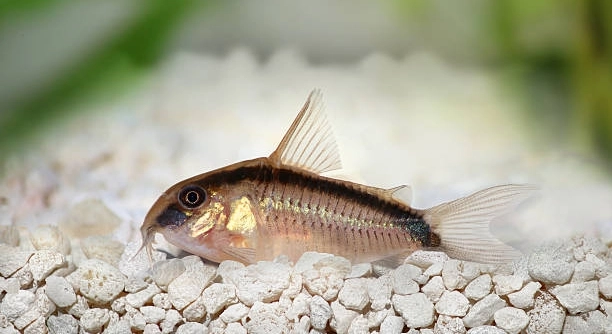
Your Corydoras catfish is an active and social fish, but if it starts hiding more than usual, you may notice some changes in its behavior. This could be a sign of stress or other underlying issues.
The main reason your Corydoras catfish is hiding could be due to stress from water quality, temperature fluctuations, or tank mates. Any of these factors can make your fish feel unsafe or uncomfortable in its environment.
Several factors can influence this behavior, and understanding them can help you improve the well-being of your fish and restore its normal activity levels.
Water Quality
Water quality plays a significant role in your Corydoras catfish’s health and behavior. If the water is dirty or has an imbalanced pH, ammonia, or nitrite levels, your fish may start hiding to avoid the stress. Regular water changes, maintaining a stable temperature, and using a filtration system can help improve the water conditions in the tank. Poor water conditions often lead to weakened immune systems in fish, making them more susceptible to illnesses. If your catfish is hiding, it’s a good idea to check your water parameters before considering other possibilities.
Improving water quality in your aquarium can reduce stress and encourage your Corydoras to become more active. By taking small steps, you can help your fish feel more secure in their environment.
Testing the water regularly and performing routine cleanups ensures the health of both your fish and the tank. Use water conditioners as necessary to keep the levels of harmful substances in check. This can make a noticeable difference in your fish’s behavior and overall well-being.
Temperature Fluctuations
Changes in temperature can also cause your Corydoras catfish to hide. These fish prefer a stable range between 72 and 78°F (22 to 26°C). Sudden fluctuations or temperatures that fall outside this range can lead to stress, causing your fish to retreat to hiding spots. It’s crucial to keep the tank heater in proper working order to maintain a consistent temperature.
In addition to stress, extreme temperature changes can affect your catfish’s metabolism and immune system, leading to potential health issues. Keeping the temperature steady is key to preventing these issues.
Investing in a reliable thermometer and heater ensures the tank remains within the ideal temperature range. Regular monitoring helps avoid sudden changes that may stress your fish, promoting healthier and more active behavior.
Tank Mates
Your Corydoras catfish may start hiding if it feels threatened by tank mates. Aggressive or overly active fish can stress your catfish, making it retreat to quiet areas of the tank. If you’re noticing this behavior, consider the temperament of your other fish and remove any aggressive ones to create a calmer environment.
Catfish are peaceful and tend to avoid confrontation. If tank mates are too aggressive, your Corydoras may feel unsafe. Consider pairing them with slower, more peaceful species like tetras or other catfish. Providing hiding spots with plants or decorations can also help your fish feel secure, encouraging more natural behavior.
When choosing tank mates, always research species compatibility. This ensures that your Corydoras can live comfortably with others. Overcrowding can also be an issue, leading to more stress for all fish. A spacious tank with suitable tank mates will improve the overall happiness and activity level of your Corydoras catfish.
Poor Diet
A poor diet can lead to hiding behavior in Corydoras catfish. If they’re not getting the proper nutrients or variety in their food, they may become lethargic and stressed. Offer a balanced diet that includes sinking pellets, frozen or live food like worms, and occasional vegetables to keep your fish healthy and active.
Nutrient deficiencies can weaken your fish’s immune system, making them more vulnerable to stress and disease. A lack of variety can also lead to boredom, causing your fish to retreat to their hiding spots. Inadequate food can be one of the overlooked reasons for behavioral changes in your catfish.
A well-rounded diet boosts energy levels and encourages active behavior. By providing a varied, high-quality diet, you’ll ensure that your Corydoras gets all the nutrients needed to stay healthy. Regular feeding also helps to maintain a stable and engaging environment for your fish.
Overcrowding
Overcrowding in a tank can lead to hiding behavior. When there are too many fish in a small space, your Corydoras catfish may feel stressed and unable to find enough room to swim freely. A spacious tank helps reduce this stress and allows all fish to thrive.
If your tank is overcrowded, the water quality can also suffer, which can further stress your fish. A crowded environment forces fish to compete for space and food, leaving them vulnerable to stress and disease. Providing adequate space will make your fish feel secure and encourage active behavior.
Ensure your tank is large enough for the number of fish you have. A tank that provides ample space for swimming, hiding, and resting reduces stress and improves the overall environment for your fish.
Illness or Injury
Illness or injury is a common reason why Corydoras catfish hide more than usual. If your fish is sick or hurt, it may retreat to a safe area to recover. Symptoms like faded colors, lethargy, or abnormal swimming behavior are signs that something may be wrong.
If you notice any of these signs, it’s important to address them immediately. Isolating the sick fish and offering appropriate treatment will help prevent further stress and encourage recovery. Keep an eye on your fish for any changes in its behavior, as early detection can improve the chances of successful treatment.
Taking swift action will help your Corydoras catfish return to normal behavior and keep the other fish in the tank healthy.
Tank Maintenance
Regular tank maintenance is essential for a healthy environment. Neglecting basic tasks like cleaning the filter or removing debris can lead to poor water conditions, which can stress your Corydoras catfish and cause it to hide. A well-maintained tank supports your fish’s health and comfort.
A clean tank ensures that harmful chemicals do not build up and the water remains clear and safe for your fish. Keep the filter clean, and remove excess food or waste. Monitoring the water parameters regularly will also help maintain a healthy habitat for your catfish.
Regular maintenance helps avoid stress from poor water conditions, which can affect the behavior of your fish and prevent issues in the future.
FAQ
Why is my Corydoras catfish hiding more than usual?
There are several reasons why your Corydoras catfish may be hiding. Poor water quality, temperature fluctuations, or the presence of aggressive tank mates can all lead to stress, which causes the fish to seek out hiding spots. Illness, injury, overcrowding, or inadequate diet can also be factors that contribute to this behavior.
How can I improve the water quality for my Corydoras catfish?
To improve water quality, regularly check the water parameters for ammonia, nitrites, and nitrates. Perform water changes at least once a week to keep the levels in check. Also, ensure that the filtration system is working effectively and is suitable for your tank size. Use water conditioners if necessary, and always monitor the temperature to avoid drastic fluctuations.
What tank mates are best for Corydoras catfish?
Corydoras catfish are peaceful fish and do well with other non-aggressive species. Tetras, rasboras, and other catfish are generally compatible. Avoid keeping them with aggressive fish, such as large cichlids or aggressive barbs, as these can stress your Corydoras and cause it to hide.
How often should I feed my Corydoras catfish?
Feed your Corydoras catfish once or twice a day. Offer small amounts of food they can consume in 2-3 minutes to prevent overfeeding. A varied diet including sinking pellets, live or frozen foods, and occasional vegetables helps keep them healthy. Ensure the food reaches the bottom, where Corydoras naturally forage.
What is the ideal temperature for Corydoras catfish?
Corydoras catfish thrive in temperatures between 72 and 78°F (22 to 26°C). Ensure that the tank maintains a consistent temperature within this range. Sudden temperature fluctuations can cause stress, so investing in a reliable heater and thermometer can help keep the environment stable.
How can I tell if my Corydoras catfish is sick?
Sick Corydoras may show signs such as faded colors, abnormal swimming behavior, or increased hiding. If your fish is lethargic, not eating, or appears injured, it could be a sign of illness. Check for external parasites or wounds and monitor the water quality, as poor conditions can contribute to health problems.
Can Corydoras catfish live with other species?
Yes, Corydoras catfish are social and peaceful, making them suitable for community tanks. However, it’s important to choose tank mates carefully. Avoid fish that are too large or aggressive, as they may bully the Corydoras. Tetras, guppies, and peaceful bottom dwellers work well with Corydoras catfish.
How do I prevent overcrowding in my tank?
To prevent overcrowding, ensure that your tank size is appropriate for the number of fish you keep. A general rule is one inch of fish per gallon of water. Consider upgrading your tank size or reducing the number of fish if overcrowding becomes an issue. Proper filtration also becomes more important in a crowded tank.
What should I do if my Corydoras catfish is injured?
If your Corydoras catfish is injured, isolate it in a separate quarantine tank to avoid further stress. Clean the wound gently with aquarium salt, and make sure the water conditions are optimal for recovery. If necessary, seek advice from a veterinarian experienced in fish care.
How can I reduce stress for my Corydoras catfish?
To reduce stress, ensure your Corydoras has a stable environment with proper water quality and temperature. Provide hiding spots using plants or decorations to make the fish feel secure. Avoid aggressive tank mates and overfeeding. A peaceful, clean environment will help keep your catfish comfortable and active.
What signs indicate that my Corydoras catfish is unhappy?
Signs of an unhappy Corydoras catfish include hiding more than usual, reduced activity, and loss of appetite. If the fish appears to be sick, such as swimming erratically or having faded colors, it may be unhappy due to water quality issues, injury, or stress from tank mates.
Is it normal for Corydoras catfish to hide during the day?
While Corydoras are nocturnal and may rest during the day, they should not be hiding excessively. If they’re hiding for long periods, it could indicate stress, poor water quality, or an issue with tank mates. Providing hiding spots and ensuring the water conditions are optimal can help reduce this behavior.
Can Corydoras catfish hide from light?
Corydoras catfish may seek darker areas to rest during the day. They naturally prefer low-light environments and often hide in darker spots in the tank. Ensure there are shaded areas, such as plants or decorations, where they can feel safe. If they are hiding too much, it could indicate stress or health problems.
How can I encourage my Corydoras to come out of hiding?
Improving water quality, providing hiding spots, and reducing stress from aggressive tank mates can help encourage your Corydoras to be more active. Keep the tank clean, maintain a consistent temperature, and offer a variety of food to keep your fish interested. Reducing the stress in their environment will encourage them to come out and explore.
Why is my Corydoras catfish swimming at the top of the tank?
If your Corydoras catfish is swimming at the top, it may be gasping for oxygen or dealing with poor water conditions. High levels of ammonia or low oxygen can cause this behavior. Check the water quality, ensure proper filtration, and consider adding an air pump if necessary to improve oxygen levels.
Final Thoughts
Corydoras catfish are generally peaceful and resilient fish, but they do have specific needs that, if unmet, can lead to changes in their behavior. If your catfish is hiding more than usual, it’s important to consider factors like water quality, tank mates, and overall tank conditions. A small change in the environment can make a big difference in how your fish behaves. Regular tank maintenance, such as water changes and cleaning the filter, is essential in ensuring a stable environment that supports the health and happiness of your fish.
Monitoring the behavior of your Corydoras can provide valuable insight into its well-being. If the fish is hiding more than normal, it’s crucial to assess the overall tank environment. Check the water parameters regularly and make adjustments as needed. Ensure the tank size is suitable for the number of fish you have and avoid overcrowding. Corydoras also benefit from a peaceful, well-planted environment where they feel safe. Stress from aggressive tank mates or sudden temperature changes can lead to hiding behavior and other health issues.
By paying attention to these factors, you can help ensure your Corydoras catfish remains healthy and active. A clean, stable tank with compatible tank mates, proper diet, and regular maintenance will go a long way in preventing hiding behavior. If your fish continues to hide or shows other signs of distress, it may be necessary to address specific issues, such as illness or injury. With proper care, your Corydoras catfish can thrive and enjoy a long, happy life in your aquarium.

Hello,
If you enjoy the content that we create, please consider saying a "Thank You!" by leaving a tip.
Every little bit helps us continue crafting quality advice that supports the health, happiness, and well-being of pets around the world, for pets of all shapes, sizes, and species.
We really appreciate the kindness and support that you show us!