
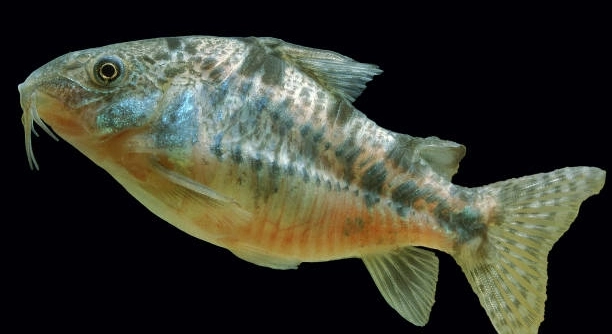
Corydoras catfish are known for their playful and social nature, often enjoying the company of other fish. However, if you’ve noticed your Corydoras hiding more often, it might be a sign of an underlying issue.
Corydoras catfish typically hide more often due to stress, illness, or environmental changes. Factors such as poor water quality, incorrect temperature, or tank mates can cause them to retreat to a safer space, making them feel more secure.
Understanding the reasons behind this behavior will help you create a better environment for your fish, ensuring they remain healthy and comfortable.
Poor Water Quality
Corydoras catfish are very sensitive to water conditions, and if the water quality in your tank isn’t optimal, they may seek hiding spots. High levels of ammonia, nitrites, or nitrates can stress your fish, making them retreat to a more secluded area. It’s important to monitor the water parameters regularly. Make sure the water is properly filtered and the tank is clean. Uneaten food, waste buildup, and lack of proper maintenance can lead to these water quality issues.
Poor water quality can also cause your Corydoras to become lethargic. If you notice them spending more time hiding, it might be because they are trying to avoid exposure to harmful substances. Regular water changes and testing water parameters are key to preventing this.
If you see signs of poor water quality, take immediate action to correct the issue. This could involve changing the water, cleaning the tank, or adjusting your filtration system to ensure a healthier environment for your fish. By maintaining clean water, your Corydoras will feel more comfortable and less likely to hide.
Incorrect Water Temperature
Corydoras catfish prefer water within a certain temperature range. If the water is too hot or too cold, they may feel stressed and look for a hiding place to escape the discomfort. The ideal temperature for Corydoras is between 72°F and 78°F. Anything outside this range could lead to health problems and behavioral changes.
Temperature fluctuations can occur due to changes in room temperature or faulty heaters. Corydoras may react to these changes by retreating into plants, decorations, or other hiding spots to protect themselves. Consistency is key to making them feel safe.
To ensure a stable environment for your Corydoras, it’s essential to use a reliable aquarium heater and thermometer. Regularly check the water temperature and adjust if necessary. Keeping the tank temperature steady will help your fish stay active and reduce hiding behavior.
Tank Mates
Corydoras catfish are peaceful, but they can become stressed by aggressive or overly active tank mates. If other fish are constantly chasing them or competing for food, they may retreat into hiding. It’s important to choose compatible tank mates that won’t intimidate or bully your Corydoras.
Aggressive fish, like cichlids or large, fast-moving species, can cause your Corydoras to feel unsafe. Even if the other fish aren’t actively attacking, their presence may stress your catfish. Corydoras are bottom dwellers, and they rely on the peaceful environment around them to thrive. When other fish invade their space or cause disturbances, hiding becomes their defense mechanism.
To avoid this, ensure that your Corydoras are housed with non-aggressive species that won’t crowd them. A calm, peaceful tank environment helps reduce stress and encourages normal behavior, including active swimming and foraging. Creating this balance allows your Corydoras to feel more secure and less likely to hide.
Illness or Injury
If your Corydoras is hiding more than usual, it could be a sign that it’s feeling unwell or injured. Just like other fish, Corydoras are prone to illness and may retreat when they don’t feel their best. They may hide to rest or recover in a quieter area.
Common issues like fin rot, skin infections, or internal parasites can cause your Corydoras to appear lethargic or reclusive. Changes in behavior, such as hiding more or swimming less, should not be ignored. Observing closely can help you detect signs of illness early. It’s also essential to check for physical signs such as faded color, lesions, or abnormal swimming patterns.
Promptly isolating sick or injured Corydoras from the rest of the tank and providing proper treatment can help them recover. It’s also important to ensure their environment is stress-free during this time. Proper care and observation can help your fish recover and return to its usual, active self.
Stress from Overcrowding
When a tank is overcrowded, Corydoras may start to hide more often. Too many fish in a confined space can lead to stress, reduced oxygen levels, and territorial disputes. Corydoras need space to feel secure and will retreat if the environment feels cramped.
Overcrowding can cause water quality issues as well, increasing the stress on your fish. Corydoras are peaceful, but they need enough room to swim around without competition. They may hide to avoid contact with other fish or escape from the hustle and bustle of a busy tank. Ensuring proper stocking density is crucial.
To prevent overcrowding, be mindful of the tank size and the number of fish you add. Adequate space will allow your Corydoras to explore, forage, and interact freely, leading to a healthier and more active environment for them.
Poor Tank Conditions
Corydoras are bottom dwellers that rely on clean and stable tank conditions. If there is a lack of hiding spots or a rough substrate, they may feel insecure and hide more often. A bare or poorly decorated tank doesn’t offer the same sense of safety.
Adding plants, caves, or smooth substrates can help make the environment more comfortable for Corydoras. These additions give them places to rest or seek refuge when needed. Also, ensuring the tank is free from sharp objects that could injure them is important. A comfortable, well-decorated tank encourages natural behavior.
Feeding Issues
If your Corydoras is not getting enough food or is struggling to compete with other fish, they may hide more often to avoid hunger or stress. Corydoras are bottom feeders and rely on sinking pellets or food that reaches the bottom of the tank.
If the other fish eat most of the food before your Corydoras can get to it, they may avoid feeding altogether. This can cause them to become weak or overly stressed. Ensuring that food reaches the bottom of the tank or providing food specifically for bottom dwellers can help.
FAQ
Why is my Corydoras hiding all the time?
Corydoras catfish are typically social and active, but they may hide for several reasons, including stress, poor water quality, or changes in the environment. If your Corydoras is spending more time hiding than usual, it’s important to check for signs of stress or illness. Factors such as improper water temperature, overcrowding, aggressive tank mates, or a lack of hiding spots can all contribute to hiding behavior. Ensuring a clean tank, stable water parameters, and proper tank conditions will help encourage your Corydoras to come out more often. Regular observation and quick action to address issues can reduce hiding and keep your fish happy and healthy.
What should I do if my Corydoras is hiding more than usual?
If your Corydoras is hiding, first check the water quality. Ensure that the tank’s ammonia, nitrite, and nitrate levels are in the safe range. You can also test the water temperature to make sure it’s within the ideal range of 72°F to 78°F. Look for signs of illness or injury, such as faded colors, lesions, or abnormal swimming patterns. Also, assess the tank’s layout for overcrowding or aggressive tank mates, which could stress your Corydoras. If needed, make changes to the tank environment, such as adding hiding spots or adjusting the number of fish. By addressing these factors, you can help your Corydoras feel more secure.
Can Corydoras hide when they are sick?
Yes, Corydoras often hide when they are feeling unwell. This behavior is common in fish that are suffering from illness, injury, or stress. Symptoms of illness can include lethargy, loss of appetite, fading colors, or abnormal swimming behavior. If your Corydoras suddenly starts hiding more, it could be a sign that it’s not feeling well. It’s important to isolate the sick fish, if possible, and monitor for signs of illness. Early intervention, such as adjusting water conditions or treating with the appropriate medications, can help your Corydoras recover and return to its normal behavior.
How do I tell if my Corydoras is stressed?
Stress in Corydoras can be identified by changes in behavior. If your catfish is hiding more frequently, swimming erratically, or avoiding other fish, stress may be the cause. Stress can be triggered by poor water quality, sudden changes in the environment, or aggressive tank mates. Corydoras that are stressed might also stop eating or become lethargic. If your fish is showing these signs, it’s crucial to address the underlying cause, whether it’s adjusting water parameters, reducing the number of tank mates, or adding more hiding spots. Reducing stress is key to ensuring your Corydoras remains healthy.
How can I make my Corydoras feel more comfortable?
To make your Corydoras feel more comfortable, focus on creating a stress-free environment. Start by maintaining excellent water quality with proper filtration and regular water changes. Ensure that the water temperature is stable and within the ideal range. Add decorations like plants, caves, or smooth rocks that offer hiding places and a sense of security. If you have aggressive tank mates, consider relocating them or introducing more peaceful fish. Corydoras prefer a calm, peaceful environment where they can forage for food and interact with others without feeling threatened.
What is the ideal water temperature for Corydoras?
The ideal water temperature for Corydoras is between 72°F and 78°F (22°C to 26°C). Temperatures outside this range can cause stress or health problems. If the water is too cold, Corydoras may become sluggish, while water that’s too warm can increase stress levels and lead to health issues like fungal infections or oxygen depletion. Use an aquarium heater to maintain a stable temperature and regularly check the water with a thermometer to ensure it stays within the desired range.
Can Corydoras live with other fish?
Yes, Corydoras are peaceful fish and can live with many other species. However, it’s important to choose tank mates that are not aggressive or overly active, as this can stress your Corydoras. Species such as tetras, guppies, and peaceful rasboras are great companions. Avoid aggressive or large fish, such as cichlids, that may bully your Corydoras or compete for food. Corydoras thrive best in a peaceful, community tank with fish that do not disrupt their natural behavior.
Why is my Corydoras not eating?
If your Corydoras is not eating, it could be due to a variety of factors, including stress, illness, or competition for food. Make sure your Corydoras is getting enough food by feeding sinking pellets or food designed for bottom feeders. Other fish in the tank may be eating the food before your Corydoras gets the chance, so try feeding at different times or in different areas of the tank. If your Corydoras still refuses to eat, check for signs of illness, such as lethargy or abnormal behavior, and adjust the water conditions to ensure they are optimal.
How can I improve the water quality for my Corydoras?
To improve the water quality for your Corydoras, focus on maintaining clean, stable water conditions. Regularly test the water for ammonia, nitrites, and nitrates, and make sure these levels are within safe limits. Perform regular water changes, removing debris and uneaten food from the tank. A good filtration system is essential to keep the water clean, but be sure the filter is not too strong, as Corydoras prefer calmer waters. You can also add live plants to help absorb excess nutrients and improve the overall water quality in the tank.
Can Corydoras live in a tank with a strong current?
Corydoras do not do well in tanks with a strong current. They are bottom dwellers and prefer calm, slow-moving waters where they can scavenge for food comfortably. A strong current can make them feel stressed and force them to hide. To provide a more comfortable environment for your Corydoras, avoid using powerful filters that create too much water movement. Instead, choose a filter with adjustable flow or add baffles to reduce the current. This will help your Corydoras feel more secure and encourage them to explore the tank more actively.
Final Thoughts
Corydoras catfish are generally hardy and social fish that enjoy a peaceful environment. However, when they start hiding more often, it’s important to take note of any changes in their behavior or environment. There can be several reasons behind this, such as poor water quality, stress from tank mates, or changes in temperature. By closely monitoring their habitat and making necessary adjustments, you can help your Corydoras feel more secure and comfortable. Ensuring the tank is clean, the water parameters are stable, and the fish are housed with peaceful tank mates can go a long way in promoting their health and happiness.
When a Corydoras is hiding, it’s essential to investigate potential stressors. Overcrowding, inadequate food, or the presence of aggressive fish can cause your catfish to retreat. They may also hide when they’re feeling unwell or are recovering from an injury. By observing your fish carefully and acting quickly, you can often prevent more serious problems. Regular water testing, a proper feeding routine, and creating a tank environment that meets the needs of your fish can all help to reduce hiding behavior and encourage a more active lifestyle for your Corydoras.
In the end, Corydoras catfish are resilient and typically enjoy spending time in the open when their environment is suitable. Their tendency to hide should not be ignored, but with a little attention and care, you can identify the underlying causes and provide a better home for them. By maintaining a balanced, calm tank with good water quality and compatible tank mates, your Corydoras will likely return to their more social behavior. Understanding their needs is key to ensuring their long-term well-being and enjoying the vibrant presence they bring to your aquarium.

Hello,
If you enjoy the content that we create, please consider saying a "Thank You!" by leaving a tip.
Every little bit helps us continue crafting quality advice that supports the health, happiness, and well-being of pets around the world, for pets of all shapes, sizes, and species.
We really appreciate the kindness and support that you show us!