
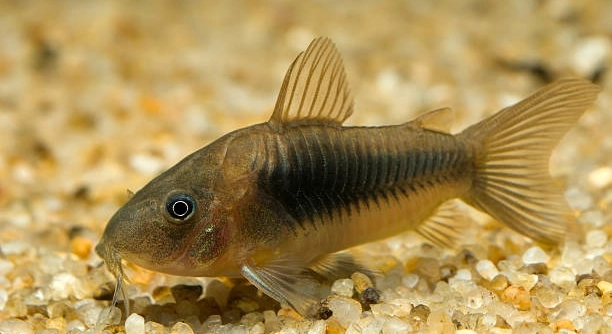
If your Corydoras catfish is hiding more often than usual, it can be worrying. There are several reasons why this might be happening, and understanding them can help improve their environment and well-being.
Corydoras catfish may hide due to stress caused by water quality issues, sudden changes in their tank environment, or the presence of aggressive tank mates. Their natural behavior is to seek safety when they feel threatened or uncomfortable.
By understanding the root causes of your fish’s behavior, you can create a more suitable environment for them. This will improve their health and comfort in the long run.
1. Stress from Poor Water Quality
One of the most common reasons for Corydoras catfish hiding is poor water quality. These fish are sensitive to changes in their environment, and even slight imbalances can cause them to retreat to hiding spots. Factors such as high ammonia levels, nitrites, or nitrates can cause discomfort, leading your catfish to hide. Additionally, fluctuating water temperatures or an improper pH level may stress your fish, making them feel unsafe. Regular water changes and testing are essential to maintain stable conditions in your tank.
Ensure that you test the water frequently to check for ammonia, nitrate, and nitrite levels. Use a water conditioner if necessary, and aim to keep the water temperature consistent. If you notice your catfish hiding more often, it might be time to check the water parameters and make adjustments. Consistently clean water will help your fish feel secure and thrive in their environment.
A proper filtration system will also keep the water moving gently, which mimics their natural habitat, helping reduce stress.
2. Sudden Changes in the Tank Environment
Corydoras catfish are creatures of habit. They tend to react to sudden changes in their tank environment by seeking shelter. Whether it’s a change in tank layout, added decorations, or even different lighting, they may retreat to more secure areas of the tank. This behavior often fades once the catfish become accustomed to their new surroundings.
If you decide to rearrange the tank or introduce new elements, try to make changes gradually. Avoid moving objects around too frequently and give your fish time to adjust.
Fish prefer stability. Keeping the tank’s environment as consistent as possible, especially in terms of layout and lighting, will reduce stress. This not only allows your catfish to feel secure but also promotes healthier, happier behavior. Avoid abrupt changes to maintain a calm atmosphere for your Corydoras.
3. Aggressive Tank Mates
Aggressive tank mates can make Corydoras catfish feel threatened, causing them to hide. Fish such as cichlids or fast-moving species might chase or nip at the catfish, prompting them to retreat to safer areas. It’s important to keep peaceful species together to avoid stress.
If your Corydoras are hiding more than usual, check the behavior of other fish in the tank. Aggressive fish should be removed or relocated to a separate tank. Sometimes, the simple presence of a more dominant species can cause the catfish to seek refuge. By ensuring peaceful cohabitation, your catfish will feel much more secure and be less likely to hide.
If removing aggressive fish isn’t an option, providing more hiding places for the catfish can help them feel safer. Adding plants, caves, or decorations that create shelter will give them areas to retreat to when needed.
4. Overfeeding
Overfeeding is a common issue in many fish tanks. When Corydoras catfish have an excess of food in the tank, it can lead to water quality problems, which in turn can stress them out. Leftover food can decay and create toxic conditions, making the fish feel unsafe.
Instead of overfeeding, give smaller portions more frequently throughout the day. Corydoras are bottom feeders, so they typically enjoy scavenging for food. Providing just enough food ensures they can still eat without overloading the tank. Be sure to remove any leftover food within an hour to maintain water quality.
The proper feeding routine not only helps your Corydoras stay healthy but also promotes better water quality. This creates an environment where your catfish feel comfortable and are less likely to hide. Proper feeding habits are key to maintaining a balanced aquarium.
5. Inadequate Tank Size
If the tank is too small, Corydoras catfish might hide more often. These fish prefer space to move around and feel secure. A cramped environment can cause stress and limit their ability to explore or escape from other tank mates.
It’s crucial to ensure your Corydoras have plenty of room to swim freely. A larger tank allows them to establish territories and find hiding spots without feeling overwhelmed. Providing at least 20 gallons of water for a small group is a good starting point for keeping them happy.
6. Poor Tank Maintenance
If the tank isn’t properly maintained, Corydoras catfish may hide due to water conditions. Dirty filters, uneaten food, or not cleaning the substrate can lead to poor water quality. Maintaining a clean tank environment ensures your fish remain healthy and active.
Regularly clean the tank, including vacuuming the substrate and checking the filter. It’s also important to perform regular water changes to keep ammonia and nitrate levels in check. Healthy water conditions will help your Corydoras feel safe and reduce the likelihood of hiding.
7. Health Issues
Health problems can cause Corydoras to retreat and hide more often. Parasites, injuries, or other diseases may make them feel vulnerable. If you notice unusual behavior or physical signs, such as faded colors or bloating, it’s important to address the issue immediately.
If your catfish are acting differently, check for any symptoms of illness and separate them from other fish if necessary. Treating the issue early is key to preventing it from worsening. Regularly observing your fish can help detect potential problems early and avoid prolonged distress.
FAQ
Why is my Corydoras catfish hiding all the time?
Corydoras catfish may hide for several reasons, including stress from poor water quality, aggressive tank mates, or changes in the tank environment. Overfeeding or improper tank size can also contribute. It’s important to assess each of these factors and make adjustments as needed. Regular water testing and ensuring a peaceful tank environment are essential steps in reducing stress and making the fish feel secure.
How can I reduce stress for my Corydoras catfish?
To reduce stress, ensure your Corydoras are in a well-maintained tank with stable water conditions. Regular water changes, proper filtration, and the right water temperature will help. Avoid overcrowding the tank, provide hiding spots, and avoid aggressive tank mates. Creating a calm environment promotes their well-being.
Do Corydoras catfish need a lot of space to feel comfortable?
Yes, Corydoras catfish benefit from having enough space to move around. A larger tank allows them to explore, find hiding spots, and feel secure. A cramped tank can lead to stress and hiding. At least 20 gallons is recommended for a small group of Corydoras.
Can Corydoras catfish live with other fish?
Corydoras catfish are peaceful bottom dwellers and generally do well with other peaceful species. Avoid aggressive fish like cichlids, which may cause stress. Small, non-aggressive fish like tetras or guppies make great tank mates. Ensure there is enough space for everyone to coexist peacefully.
How often should I feed my Corydoras catfish?
Feed your Corydoras small amounts once or twice a day. Overfeeding can lead to poor water quality and stress. Since Corydoras are bottom feeders, they can also scavenge for uneaten food. It’s important to remove leftover food to prevent water contamination and maintain a healthy environment.
What should I do if my Corydoras catfish is showing signs of illness?
If your Corydoras shows signs of illness, such as faded colors, bloating, or unusual behavior, isolate it from other fish and assess the situation. Check for any visible symptoms like lesions or abnormal swimming patterns. Treat the fish based on the illness, and make sure the water conditions are optimal.
How do I know if my Corydoras catfish is stressed?
Stress in Corydoras can be identified by hiding more often, unusual swimming patterns, or loss of appetite. They may also exhibit rapid breathing or appear lethargic. These signs indicate something is wrong in their environment, such as poor water quality or aggression from other tank mates.
How can I help my Corydoras catfish feel safe in the tank?
Provide plenty of hiding spots, such as plants, caves, or other decorations. Corydoras feel safer when they have places to retreat to. Avoid sudden changes in the tank and keep the water clean and stable. Ensuring a peaceful environment with other calm fish will also help them feel more secure.
Is my Corydoras catfish hiding because it’s scared?
Yes, Corydoras can hide when they feel threatened or scared. This may happen if there are aggressive fish in the tank, or if the water quality is poor. Additionally, sudden changes in the tank setup or high activity around the tank can cause them to seek shelter.
Can Corydoras catfish live without hiding spots?
Corydoras are more likely to hide if there are no hiding spots available. They need places to retreat to when they feel stressed or need rest. Without hiding spots, your Corydoras may feel more exposed, leading to anxiety or excessive hiding behavior. Adding plants or caves will help them feel secure.
How can I ensure my Corydoras catfish are healthy?
Regular water changes, proper filtration, and monitoring water parameters are key to keeping Corydoras healthy. Feed them a balanced diet and avoid overfeeding. Keep an eye on their behavior for any signs of illness, and ensure they are kept in a peaceful, spacious environment with suitable tank mates.
Final Thoughts
Corydoras catfish are generally peaceful and hardy fish, but they can be sensitive to their environment. If your Corydoras are hiding, it is often a sign that something in the tank isn’t quite right. Stress, poor water quality, aggressive tank mates, or improper tank conditions are some of the most common reasons why your catfish might seek shelter. It’s important to observe the tank carefully and make necessary changes to improve the overall environment for your fish.
One of the key factors to maintaining healthy Corydoras is ensuring a clean and stable tank. Regular water changes, proper filtration, and the right water temperature are essential for their well-being. It is also crucial to avoid overfeeding, as excess food can pollute the water and make the environment unhealthy. A peaceful tank with plenty of space and hiding spots is also important. Providing the fish with secure areas to retreat to when they feel threatened will reduce stress and help them thrive.
Addressing the cause of your Corydoras’ hiding behavior requires attention to detail and patience. Whether it’s adjusting the tank’s water conditions, removing aggressive tank mates, or giving them more space, small changes can make a big difference. By creating an environment where your Corydoras feel safe and comfortable, you can ensure that they stay healthy and active. Keep monitoring your fish and continue to make adjustments to their environment as needed, so they can enjoy their time in the tank without unnecessary stress.

Hello,
If you enjoy the content that we create, please consider saying a "Thank You!" by leaving a tip.
Every little bit helps us continue crafting quality advice that supports the health, happiness, and well-being of pets around the world, for pets of all shapes, sizes, and species.
We really appreciate the kindness and support that you show us!