
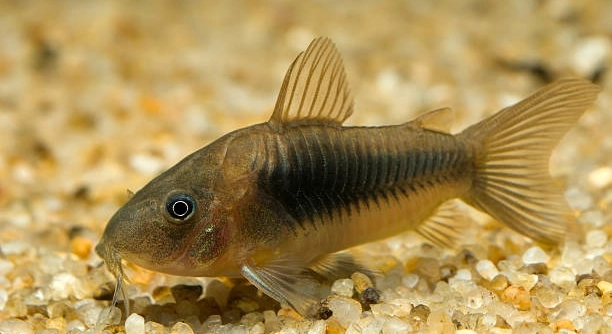
Corydoras catfish are fascinating creatures that often display intriguing behaviors. One of the most curious actions they exhibit is digging holes in the sand. Understanding why they do this can help improve their care and overall well-being.
Corydoras catfish dig holes in the sand primarily for reasons related to behavior, feeding, and environmental comfort. This activity serves to mimic their natural habitat where they forage, hide, and search for food. It also helps with their health.
These behaviors are part of the catfish’s instinctual actions, so recognizing them can lead to a healthier and more comfortable environment for your pet.
Reasons for Digging: Natural Behavior
Corydoras catfish are bottom dwellers and have evolved to live close to the substrate. Digging holes in the sand is a natural instinct. In the wild, these fish dig to search for food such as small invertebrates and organic matter hidden in the substrate. By doing this, they mimic their natural feeding habits and contribute to the health of the aquarium ecosystem. In captivity, the sand or gravel substrate provides them with a surface where they can act on this instinct. The digging behavior ensures they stay active and stimulated, which is beneficial for their overall well-being.
Though this behavior might seem odd, it’s an important part of maintaining a healthy aquarium environment. Corydoras catfish are known for their ability to sift through sand or gravel with their barbels to locate food. Providing an appropriate substrate allows them to continue their natural behavior and thrive in a home aquarium. It also prevents them from becoming stressed or bored.
This natural digging habit helps them engage in essential activities like foraging for food and creating small burrows for shelter. It also ensures that the sand or gravel remains aerated, benefiting other tank inhabitants.
Sand for Digging
Not all substrates are suitable for digging. Corydoras catfish need a soft substrate to engage in this behavior properly. Sharp gravel can damage their delicate barbels, leading to injury.
Choosing a soft, fine-grain sand is crucial for creating a safe and suitable environment for these fish. Sand allows them to dig and burrow without risking harm. It also helps maintain water quality by preventing uneaten food and waste from accumulating.
Fine sand allows Corydoras catfish to perform their natural digging activities with ease. It enables the fish to sift through the substrate, mimicking their natural environment while keeping their barbels safe. This sand should also be cleaned regularly to avoid any harmful buildup of debris. Without proper substrate choices, Corydoras may struggle to thrive, leading to potential health issues. Choosing the right material can make a big difference in maintaining a healthy, active aquarium.
Digging for Food
Corydoras catfish are bottom-feeders, naturally sifting through sand to find food. This behavior mimics their instinct to forage in the wild for tiny organisms and detritus.
In an aquarium, they may dig in the substrate in search of any food that has settled on the bottom. This includes leftover flakes, pellets, or organic matter. It’s important to feed them sinking foods that are appropriate for their diet. Providing these foods ensures they remain healthy and satisfied, preventing them from digging excessively in search of more food.
Overfeeding can lead to food waste accumulating in the substrate. It’s helpful to monitor how much you feed your Corydoras to avoid waste and ensure they are foraging appropriately without disturbing the tank environment.
Stress and Comfort
Corydoras catfish dig when they feel comfortable or stressed. It is their way of expressing themselves and managing the environment around them.
In tanks with excessive activity or aggressive fish, Corydoras may dig more often as they seek shelter or simply try to create a secure environment. Providing hiding spots, plants, and caves can give these fish a sense of security. They will feel more at ease and will likely stop excessive digging if they feel their space is safe.
Also, consistent water parameters, such as temperature, pH, and cleanliness, are key to preventing stress-related digging. Unstable conditions can lead to restlessness in Corydoras, further increasing their need for burrowing. Stability creates a comfortable environment, reducing the need for excessive digging.
Tank Environment and Digging
Corydoras catfish dig as part of their natural exploration and interaction with their environment. A well-designed tank setup can encourage or reduce this behavior.
If the tank lacks hiding spots or proper substrate, Corydoras may dig more often. A lack of decorations, plants, or caves can leave them feeling exposed, prompting them to dig in search of shelter. Additionally, keeping the aquarium environment stable, with appropriate water conditions, reduces unnecessary digging. Corydoras thrive in environments where they can explore, hide, and forage.
Social Interaction
Corydoras catfish are social creatures that feel more secure in groups. When kept alone or in small numbers, they may dig more frequently out of stress.
Keeping them in groups of at least three to six can significantly reduce their stress levels. A group provides them with companionship, making them feel safer and less likely to dig excessively. Being social creatures, they will often spend time exploring the substrate together. This reduces the need for constant digging as they interact with each other. Socialization helps them feel more at ease in the tank.
Water Quality
Corydoras catfish are sensitive to poor water conditions, which may lead to increased digging. Proper water quality is essential for reducing stress and promoting healthy behavior.
Maintaining stable water parameters such as pH, ammonia, and nitrate levels will ensure that your Corydoras feel comfortable. If water conditions fluctuate or deteriorate, these fish may start digging excessively as a way to cope. Keeping the water clean and well-filtered will prevent this behavior and help them stay active and healthy. Good water quality is essential for all fish, including Corydoras, as it promotes long-term well-being.
FAQ
Why does my Corydoras catfish dig so much?
Corydoras catfish dig to mimic their natural behavior of foraging for food. In the wild, they sift through the sand to find small organisms, detritus, and other food sources. If they are digging excessively in your aquarium, it may be because they are trying to find food or simply express their natural instincts. It’s important to ensure they have a suitable substrate, like fine sand, so they can dig safely and comfortably.
How can I reduce excessive digging in my Corydoras catfish tank?
To reduce excessive digging, make sure your tank setup provides plenty of hiding spots and secure spaces for your Corydoras. Using soft, fine-grain sand as the substrate allows them to dig without harm. Also, avoid overcrowding the tank and ensure that your Corydoras are kept in groups of at least three to six, which will help reduce stress. Keeping stable water conditions and appropriate food levels will also make them feel more at ease.
Can Corydoras catfish dig up plants or decorations?
Yes, Corydoras catfish may occasionally dig up plants or decorations, especially if they are feeling stressed or trying to create more space for themselves. While they don’t typically damage plants, they may disturb them during their digging activities. To minimize this, you can secure decorations firmly or use plant species that are more rooted in the substrate. Consider also providing ample hiding spots that won’t be disturbed by their digging.
What type of substrate is best for Corydoras catfish?
The best substrate for Corydoras catfish is fine, soft sand. Sand allows them to sift through it easily without damaging their sensitive barbels. Avoid sharp gravel or rocks, as these can cause injury to their barbels and affect their feeding behavior. Fine sand also helps prevent uneaten food from accumulating in the tank, ensuring a cleaner environment for all inhabitants.
Do Corydoras catfish need a group to stop digging?
Yes, Corydoras catfish are social creatures and thrive in groups. If they are kept alone or in very small groups, they may feel stressed, which can lead to excessive digging. Keeping them in groups of at least three to six will provide them with social interaction, reduce stress, and help them feel more secure. Socializing with others of their kind often calms them, leading to less digging behavior.
Can digging in the sand be harmful to Corydoras catfish?
Generally, digging is not harmful to Corydoras catfish as long as they are in a tank with the right substrate. Soft sand is ideal, as it allows them to dig without risk of injury to their barbels. However, excessive digging in hard or sharp substrates can cause harm. Additionally, if they are digging excessively due to poor water conditions or stress, this can affect their overall health. Ensuring a stable environment will help prevent any negative impacts of digging.
How often should I feed my Corydoras catfish?
Corydoras catfish are bottom feeders, so they rely on sinking foods that they can find on the substrate. Feed them once or twice a day, ensuring that the food is consumed within a few minutes. Overfeeding can lead to uneaten food settling in the substrate, encouraging excessive digging and water quality issues. Regular feedings with proper portions will keep them active and reduce the need for digging to find food.
Can water temperature affect my Corydoras catfish’s digging behavior?
Yes, water temperature can influence the behavior of Corydoras catfish. These fish prefer a stable temperature range of around 72°F to 79°F (22°C to 26°C). If the water is too warm or too cold, they may become stressed and may dig more frequently. Ensuring the water temperature stays within their preferred range helps keep them comfortable and reduces stress-related behaviors like excessive digging.
Is it normal for Corydoras catfish to dig at night?
Yes, it is normal for Corydoras catfish to dig at night. These fish are more active during dawn and dusk, which are their natural feeding times. If you notice your Corydoras digging at night, it’s likely just part of their natural foraging behavior. As long as they are in a safe environment with proper water conditions and substrate, this behavior should not be a cause for concern.
How can I make sure my Corydoras catfish are healthy and happy?
To keep your Corydoras catfish healthy and happy, ensure they have a proper tank setup with fine sand substrate, stable water conditions, and plenty of hiding spots. Feed them a balanced diet of sinking pellets, live or frozen foods, and occasional treats. Make sure they are kept in groups and avoid overcrowding. Regular water changes and good filtration are key to maintaining a clean and healthy environment. By meeting their needs, they will continue to thrive and display their natural behaviors like digging in a safe, stress-free environment.
Final Thoughts
Corydoras catfish are fascinating creatures that bring life to any aquarium. Their natural behavior of digging in the sand is simply an extension of their instincts, driven by their need to forage and explore their environment. Understanding the reasons behind this behavior can help aquarium owners ensure their fish’s well-being. Whether they are searching for food, creating a safe space, or just following their natural instincts, digging is an essential part of how these fish interact with their surroundings.
To maintain a happy and healthy environment for your Corydoras catfish, it is important to focus on providing the right conditions. Using fine sand as a substrate and offering plenty of hiding spots can reduce unnecessary stress and minimize excessive digging. Additionally, keeping them in groups will make them feel more secure, which can help lower their tendency to dig in search of comfort. It’s also crucial to provide balanced feeding to avoid overfeeding, which can lead to uneaten food accumulating in the substrate and encouraging more digging.
By addressing the environmental factors that influence Corydoras’ behavior, you can create an aquarium that supports their well-being. Regular water changes, stable water conditions, and appropriate tankmates will help maintain a peaceful environment where your Corydoras can thrive. When these conditions are met, you will notice your Corydoras catfish engaging in more natural and enjoyable activities without the need for excessive digging. Keeping them in a comfortable environment will not only reduce their stress but also allow them to exhibit their natural behavior in a healthy way.

Hello,
If you enjoy the content that we create, please consider saying a "Thank You!" by leaving a tip.
Every little bit helps us continue crafting quality advice that supports the health, happiness, and well-being of pets around the world, for pets of all shapes, sizes, and species.
We really appreciate the kindness and support that you show us!