
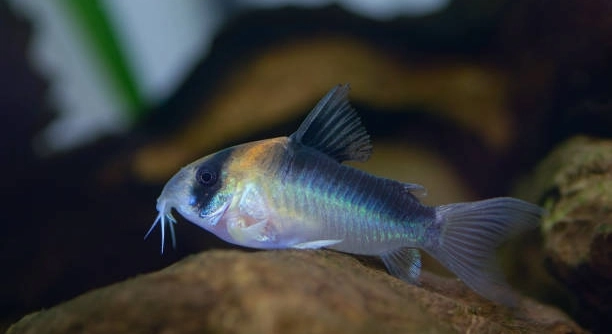
When your Corydoras catfish is darting around the tank, it can be both concerning and puzzling. Understanding the reasons behind this behavior will help ensure that your fish remains healthy and comfortable in its environment.
There are several factors that may contribute to this sudden darting behavior, including stress, environmental changes, or health issues. Fish may dart when they are startled, stressed, or trying to escape from unfavorable water conditions.
By understanding these factors, you can create a better environment for your Corydoras. Keep reading to discover the key reasons behind this behavior and how to address them.
Stress and Environmental Changes
Fish are sensitive to their environment, and changes can cause them to become stressed. If your Corydoras is darting around, it could be reacting to sudden shifts in its surroundings. Factors such as changes in water temperature, lighting, or tank placement can trigger stress. Even small changes in water chemistry, such as pH or ammonia levels, might cause the fish to feel threatened. They often respond by swimming erratically or darting away from perceived dangers. Another cause for concern could be overcrowding or the presence of aggressive tankmates. Corydoras are peaceful fish, and if they are in a stressful environment, they may become skittish.
Stress from environmental changes is often a sign that adjustments need to be made. It’s important to maintain stable water conditions and ensure that your fish have a comfortable space to swim.
Monitor the water quality in your tank regularly, and try to keep the tank in a quiet, low-stress area. Consider rearranging decorations or adding plants to give your Corydoras more places to hide. Creating a calm environment will help them feel secure and reduce erratic swimming behavior.
Health Issues
Sometimes, darting behavior can indicate an underlying health problem. If your Corydoras is unwell, it may try to swim quickly to avoid discomfort or pain. Diseases such as parasites or infections can affect the way fish behave. If they are darting, they might be trying to escape the irritation caused by the illness. Additionally, poor water conditions can weaken the immune system, leaving your fish vulnerable to diseases. It’s crucial to keep an eye out for any other signs of illness, such as discoloration, sores, or unusual marks. Early detection can help prevent more serious issues.
Maintaining a proper tank setup is key to preventing health problems. Make sure the water quality is optimal, and avoid overcrowding.
If you suspect your Corydoras is sick, a quick response can make a significant difference. Changing the water and adding aquarium salt can help, but if symptoms persist, consider consulting an aquarium specialist for a diagnosis and treatment. Addressing health concerns promptly can improve your fish’s well-being and help prevent further stress.
Tank Size and Space
If your Corydoras is darting around the tank, it could be due to insufficient space. These fish need room to swim freely. A tank that’s too small or overcrowded can cause stress and lead to erratic swimming. Corydoras are active bottom dwellers, and they require enough space to explore and find food.
When setting up your aquarium, it’s important to consider the size and the number of fish you keep. A tank that’s too small may cause your Corydoras to feel trapped, leading to darting behavior. Aim for at least a 20-gallon tank if you have multiple fish.
Adding plants and hiding spots can help your Corydoras feel secure, but make sure they still have plenty of open space. A spacious tank allows them to swim without feeling cornered, reducing their stress levels and making them more comfortable overall.
Water Quality
Poor water quality is one of the most common reasons for erratic swimming. Corydoras are very sensitive to water conditions, particularly ammonia and nitrate levels. If the water isn’t properly filtered or maintained, they may dart around to escape the discomfort caused by poor water conditions. Regular water changes and a reliable filtration system are essential to maintaining the health of your fish.
Testing the water for ammonia, nitrites, and nitrates is a key step. Make sure the levels are within safe ranges for your fish. If any levels are too high, immediately perform a water change and check your filtration system. Clean filters regularly to ensure efficient operation.
Inadequate water quality can also lead to stress and illness, making your Corydoras more susceptible to health problems. Consistently good water quality promotes calm behavior and overall well-being, helping your fish feel at ease in their environment.
Overfeeding and Poor Diet
Overfeeding can lead to stress and discomfort in your Corydoras. When they’re given too much food, leftover particles may pollute the water, which can affect their health and cause them to swim erratically. Make sure to only feed them what they can consume in a few minutes.
If there’s excess food in the tank, it can quickly degrade water quality, making the fish feel uncomfortable and more likely to dart around. Be mindful of portion sizes and avoid feeding too frequently. A balanced diet will keep your Corydoras healthy and prevent water quality issues.
Tankmates
Aggressive tankmates can also cause your Corydoras to dart around the tank. Corydoras are peaceful fish, and they might feel threatened by more territorial or aggressive species. If your Corydoras is constantly darting, it could be trying to escape from a dominant fish or avoid conflict.
Be sure to carefully select tankmates that are compatible with your Corydoras. Small, peaceful fish work best in a community tank with them. Avoid placing them with larger, more aggressive species that might cause constant stress, as it will negatively affect their behavior and health.
Lighting
Improper lighting can affect your Corydoras’ behavior. Bright, harsh lights may cause them to feel exposed or stressed, leading them to dart around in an attempt to find cover. Try adjusting the lighting in the tank to make it more soothing for your fish.
FAQ
Why is my Corydoras darting around the tank?
Corydoras can dart around the tank due to stress, discomfort, or poor water quality. They might be reacting to sudden changes in their environment, such as fluctuations in water temperature, light, or the presence of aggressive tankmates. Another possible reason is if they’re trying to escape unfavorable conditions like high ammonia levels. The darting behavior often signals that something isn’t right, and it’s essential to assess and adjust the tank environment to ensure their comfort.
Is darting a sign that my Corydoras is sick?
Darting behavior can sometimes indicate that your Corydoras is unwell. Stress from water quality issues or aggressive tankmates may cause them to act out of character. If your fish shows signs like faded colors, lesions, or labored swimming, illness could be the cause. It’s important to closely monitor your fish for any other signs of sickness. Keeping the water quality high and ensuring your Corydoras’ tankmates are peaceful can help reduce the risk of stress-related health issues.
How can I reduce stress for my Corydoras?
To reduce stress for your Corydoras, it’s important to maintain stable water parameters. Regular water changes, proper filtration, and checking for harmful ammonia or nitrate levels can help create a healthy environment. Avoid sudden changes in the tank’s temperature or lighting. Providing plenty of hiding spots, plants, and open swimming spaces also helps your fish feel secure. Keep tankmates that are compatible with Corydoras’ peaceful nature to avoid unnecessary stress.
Are Corydoras social fish?
Yes, Corydoras are social fish. They prefer to be in groups and feel more comfortable when they have other Corydoras around. Keeping at least three or more Corydoras together will help reduce stress and promote natural behavior. These fish enjoy schooling and will often follow each other around the tank. A single Corydoras in isolation may feel stressed and show erratic swimming behaviors.
How do I know if my Corydoras is getting enough food?
Corydoras are bottom dwellers and rely on finding food at the substrate level. To ensure they’re getting enough to eat, offer sinking pellets, wafers, or food specifically designed for bottom-feeding fish. Make sure to feed small amounts that they can consume within a few minutes to avoid leftover food polluting the water. If your Corydoras is darting around the tank in search of food, it could be a sign they’re not getting enough or the food isn’t reaching the substrate.
Why are my Corydoras hiding so much?
If your Corydoras is constantly hiding, it could be a sign of stress or discomfort. Poor water quality, overly bright lighting, or aggressive tankmates may make your fish feel insecure. Corydoras are naturally shy and often seek shelter in plants, caves, or decorations. However, if they hide excessively, it’s a good idea to check the water parameters and the overall tank environment to ensure it’s conducive to their well-being.
What is the ideal water temperature for Corydoras?
Corydoras thrive in water temperatures between 72°F and 78°F (22°C and 26°C). Temperatures outside this range can cause stress or even harm to the fish. Too cold water may lower their immune system, while excessively warm water can lead to oxygen depletion. Maintain a stable water temperature to keep your Corydoras comfortable and healthy.
How often should I clean my Corydoras tank?
Cleaning the tank is crucial to maintain good water quality. Perform partial water changes of about 25% every week to keep ammonia, nitrite, and nitrate levels in check. Also, clean the substrate to remove any leftover food or debris, as this can affect water quality. Regular maintenance will prevent the build-up of harmful chemicals that could stress your fish.
Can Corydoras live with other fish?
Corydoras are peaceful fish and can live well with other non-aggressive species. They make good tankmates for other peaceful community fish like guppies, tetras, and mollies. However, they may not do well with larger or more aggressive fish that may harass or outcompete them for food. Always check compatibility before adding new fish to the tank.
Do Corydoras need a filter?
Yes, Corydoras require a well-maintained filtration system to keep the water clean and free from harmful toxins like ammonia and nitrites. While Corydoras are not strong swimmers and may not appreciate strong water currents, a gentle filter is necessary to keep the tank environment stable. Make sure the filter is not creating too much flow that could stress the fish.
How do I tell if my Corydoras is stressed?
Signs of stress in Corydoras include erratic swimming, hiding more than usual, or failing to eat. If they are swimming near the surface or at the tank’s corners, it may be a sign they are stressed or uncomfortable. Other indicators include changes in coloration or unusual breathing patterns. Monitoring these signs early can help you address the issue before it becomes more serious.
Can I add new Corydoras to my tank?
It’s best to add new Corydoras gradually to avoid disrupting the tank’s balance. If adding more than one, make sure the tank has enough space. Also, ensure that water conditions are stable before introducing new fish. Adding Corydoras in a group is recommended as they are social creatures and feel more secure in numbers.
What type of substrate is best for Corydoras?
Corydoras are bottom-dwelling fish, so having a smooth substrate is ideal for their sensitive barbels. Fine sand or small, rounded gravel are good options. Avoid sharp or large gravel, as it could damage their barbels. A soft substrate allows them to dig and search for food naturally while preventing injury.
Final Thoughts
Corydoras catfish are unique and peaceful creatures that can add charm and character to your aquarium. However, when they start darting around the tank, it’s important to understand the underlying causes. Their darting behavior is often a sign of stress, discomfort, or unfavorable conditions in the tank. By observing their surroundings and carefully adjusting the environment, you can improve their quality of life and reduce this erratic swimming behavior.
Several factors can contribute to a Corydoras’ darting behavior. Water quality is the most common cause, as poor water conditions, high ammonia levels, or low oxygen can make them feel stressed. It’s essential to maintain proper filtration, perform regular water changes, and monitor the water parameters closely. Additionally, overfeeding, aggressive tankmates, and unsuitable tank conditions like excessive lighting can also trigger stress in Corydoras. Creating a calm, stable environment with appropriate tankmates, hiding spots, and gentle lighting will help your Corydoras feel more secure.
Overall, understanding and addressing the specific needs of your Corydoras catfish will lead to a healthier, happier fish. Ensuring a clean tank, maintaining optimal water temperature, and offering a balanced diet will keep them active and content. A stable, peaceful environment is key to preventing stress and allowing your Corydoras to thrive. By making a few simple changes, you can minimize their darting behavior and create a more harmonious aquarium.

Hello,
If you enjoy the content that we create, please consider saying a "Thank You!" by leaving a tip.
Every little bit helps us continue crafting quality advice that supports the health, happiness, and well-being of pets around the world, for pets of all shapes, sizes, and species.
We really appreciate the kindness and support that you show us!