
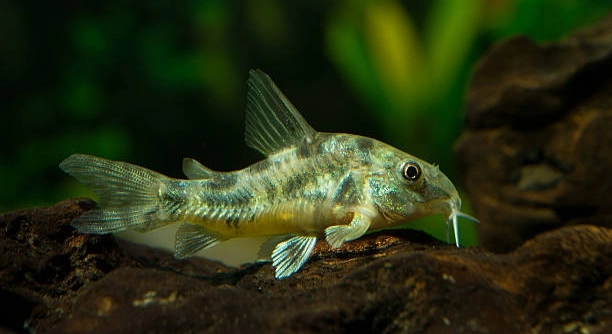
Is your Corydoras catfish spending more time mid-water or hiding instead of cruising along the tank bottom like usual? These peaceful bottom-dwellers are known for their constant activity at the base of the aquarium.
The most common reason your Corydoras catfish is avoiding the tank bottom is poor substrate choice or water quality. Sharp gravel, high nitrates, or unsuitable tank conditions can cause discomfort or stress, making them retreat from their usual habitat.
Other possible reasons include illness, bullying from tankmates, or a lack of hiding spots. Learning what’s behind this behavior can help you provide a safer, healthier space for your catfish.
Your Substrate Might Be Causing Discomfort
Many Corydoras catfish avoid the tank bottom because the substrate is too sharp or rough. These fish have delicate barbels around their mouths that they use to search for food. If the substrate is gravel with sharp edges, it can irritate or even damage these sensitive feelers. Over time, this can lead to infections or discomfort, making the fish avoid contact with the bottom altogether. Sand or smooth gravel is much better for them. It allows them to sift safely and comfortably without injury. A soft, natural substrate also mimics their wild environment, helping reduce stress and encourage normal activity.
Look closely at the bottom of your tank. If it’s filled with jagged gravel or pebbles, your Corydoras may not feel safe enough to stay down there.
Switching to fine sand can make a noticeable difference in their behavior. It’s easier for them to sift through and less likely to cause harm. Even if you don’t see obvious injuries, rough gravel can create long-term issues. When choosing substrate, think about their comfort and natural habits. You’ll likely see them become more active and visible once they feel secure. Also, be sure to rinse new substrate thoroughly before adding it to avoid cloudy water or irritation.
Poor Water Quality Can Drive Them Up
Dirty water makes it hard for Corydoras to feel safe. High levels of nitrates or ammonia can irritate their skin and gills.
Corydoras are sensitive to changes in water conditions. If the tank isn’t cleaned regularly or if there’s leftover food building up, it can lead to an unhealthy environment. These fish may avoid the bottom if there’s too much waste collecting there. Testing your water weekly can help you stay on top of nitrate, nitrite, and ammonia levels. If any of these spike, it’s time for a water change. Regular partial water changes and proper filtration are key to keeping them happy. Avoid overfeeding, as uneaten food quickly breaks down and pollutes the water. A gravel vacuum helps clear waste from the substrate. Watching your Corydoras can even give clues—if they’re gasping near the surface or staying off the bottom, test the water right away. Clean water keeps them active and healthy, especially at the bottom where they spend most of their time.
Aggressive Tankmates Can Make Them Hide
Some Corydoras avoid the bottom because they’re being chased or harassed by more dominant fish. This constant stress can drive them to stay in corners or near the surface.
Not all fish get along with Corydoras. If your tank has fast, nippy, or territorial fish, they might be scaring the Corys away from their preferred zone. This is especially common in overcrowded tanks where space is limited. Signs of bullying can include torn fins, rapid swimming, or hiding in tight spaces. Corydoras are peaceful and prefer calm environments. If they feel unsafe, they’ll start to avoid certain areas. It’s important to observe your fish closely and remove any aggressive tankmates if needed. Rearranging decorations to break up sightlines or adding more hiding places can also help ease tension.
If you notice your Corydoras acting more shy or inactive than usual, pay attention to the other fish. Sometimes the aggression is subtle, like fin-nipping when you’re not watching closely. Stress from this kind of behavior can weaken their immune system and cause long-term health problems. Choosing tankmates with similar temperaments helps reduce this issue. Peaceful fish like tetras, rasboras, or other Corydoras make much better companions. When they feel safe, they’ll go back to exploring the tank bottom like normal.
Illness or Injury Can Affect Their Behavior
A sick Corydoras might avoid the bottom because it’s too weak or uncomfortable to stay active. Look for signs like clamped fins, pale color, or labored breathing.
Common illnesses like fin rot, bacterial infections, or parasites can change how a Corydoras behaves. If the fish seems to be floating oddly, avoiding food, or hiding all the time, it may be sick. Sometimes an internal issue or injury from a rough substrate can also make them stay away from the tank bottom. Early signs can be easy to miss, so it helps to know your fish’s normal behavior. Quarantining a sick fish can prevent spreading illness to others. Treat with proper medication based on the symptoms. Also, check your tank temperature, pH, and other parameters, as sudden changes can trigger health problems. Good tank hygiene, a calm environment, and the right diet all play a role in helping them heal.
Not Enough Hiding Spots
Corydoras like to feel secure, and if your tank lacks enough hiding spots, they might avoid the bottom. They prefer areas with plants, caves, or decorations where they can rest without feeling exposed.
Adding small caves, driftwood, or dense plants gives them a sense of safety. This encourages them to explore more.
Lighting May Be Too Bright
Corydoras naturally live in dim or shaded waters, so strong lighting can make them uncomfortable. If your tank lights are too bright, they may avoid open areas and retreat to corners or higher spots where they feel safer. Adding floating plants or adjusting the lighting can help them feel more relaxed.
Tank Is Too Noisy or Busy
Loud noises, vibrations, or constant movement outside the tank can stress Corydoras. They’re sensitive to changes in their surroundings and may stay away from the bottom if they feel threatened or overwhelmed. A quieter setup usually helps them settle.
FAQ
Why is my Corydoras swimming near the top of the tank?
Corydoras sometimes swim to the top to gulp air. They have a special ability to breathe from the surface when oxygen levels are low. But if they’re doing this too often, it could be a sign that the water isn’t properly oxygenated or that there’s too much waste in the tank. You might want to check your filter, water parameters, and make sure the surface has enough movement to allow gas exchange. Also, high ammonia or nitrate levels can drive them upward in search of better conditions.
Can poor diet cause strange behavior in Corydoras?
Yes, a poor diet can affect their energy levels and general activity. Corydoras need a varied diet to stay healthy. While they do eat leftover food, they still need specific nutrition. Sinking pellets, frozen bloodworms, or blanched vegetables help support their needs. If they’re not getting the right nutrients, they might become sluggish or stay hidden more than usual. Overfeeding or underfeeding can also cause stress. Make sure they’re actually eating what you give them, especially in a community tank where other fish may grab food first.
Do Corydoras like being in groups?
Absolutely. Corydoras are social fish and do best in groups of at least six of their own kind. When kept alone or in pairs, they can become shy, stressed, and inactive. A proper group gives them comfort and encourages natural behaviors like schooling and foraging together along the tank bottom. If your Corydoras is avoiding the bottom and it’s alone, consider adding more of the same species. Most of the time, their behavior improves quickly when they’re surrounded by a group.
How can I tell if my Corydoras is stressed?
Stressed Corydoras often show signs like rapid breathing, hiding constantly, or darting around the tank. They may also lose their appetite or color. Some may avoid the bottom entirely if they feel threatened or uncomfortable. Keep an eye on how they interact with other fish and the environment. Watch for signs of chasing, changes in water quality, or a lack of hiding spots. Stress can also weaken their immune system, making them more likely to get sick. Reducing light intensity, providing clean water, and making sure they feel safe can help lower their stress levels.
Is it normal for Corydoras to sleep in strange places?
Yes, sometimes Corydoras sleep in odd spots. You might see them resting on plant leaves, tucked into decorations, or even in the middle of the tank. They tend to stay still when resting, and this can last for several minutes. As long as they’re active during the day and eating normally, this behavior is usually fine. However, if they seem sluggish all the time or are resting more than usual, it could be a sign of illness or stress.
Do Corydoras need a heater in their tank?
Most species of Corydoras do best in water temperatures between 72°F and 78°F (22°C–26°C). If your home is cooler than that, a heater is definitely necessary. Sudden temperature drops can make them inactive or even lead to illness. Use a reliable aquarium heater and thermometer to keep the temperature stable. Also avoid placing the tank in areas where the temperature fluctuates too much, like near windows or air vents. A steady temperature helps them stay active and healthy.
How often should I clean the tank to keep them comfortable?
A partial water change of about 25–30% once a week is usually enough to keep things clean and safe. You should also vacuum the substrate lightly during water changes to remove leftover food and waste. Clean the filter as needed, usually once a month, without killing the beneficial bacteria. Over-cleaning can also cause problems, so it’s about finding the right balance. Keeping the tank clean helps prevent poor water quality, which is one of the biggest reasons Corydoras might avoid the bottom.
Why is my Corydoras not eating at all?
If your Corydoras isn’t eating, it could be due to stress, illness, or food being snatched up by faster fish. Check for signs of infection like redness, bloating, or frayed fins. Also, try feeding them at night or using sinking food that reaches them before others eat it. Make sure they’re not just being outcompeted. If nothing changes and they continue refusing food, it may be time to isolate the fish and look into possible treatments or water issues.
Final Thoughts
Corydoras catfish are peaceful, active bottom-dwellers that enjoy exploring the tank floor. When they stop doing that, it’s usually a sign that something isn’t right in their environment. Small things like sharp gravel, dirty water, or too much noise can affect how they behave. Watching your fish closely and making small changes to the tank setup can often help them feel more at ease. Their comfort and safety should always come first. A calm, clean, and well-balanced tank gives them the space they need to act naturally and stay healthy.
Every fishkeeper wants to see their Corydoras swimming around happily. If they’re avoiding the bottom, the issue usually isn’t too hard to fix once you know what to look for. Check your substrate, water conditions, lighting, and tankmates. Also, make sure they have enough hiding spots and that they aren’t alone. These fish rely on a peaceful setting to stay stress-free. Even things like bright lights or loud rooms can throw them off. It helps to keep your tank in a quiet spot and add floating plants or decorations to create shade and shelter.
Taking time to observe your Corydoras and learning what they need can make a big difference. When their needs are met, they become more active, playful, and social. It’s rewarding to see them sifting through the sand, schooling together, and showing their natural behavior. Small adjustments go a long way, and a little effort leads to a more peaceful and happy aquarium. Whether you’re new to fishkeeping or experienced, keeping your Corydoras healthy starts with understanding how they act and what makes them feel safe. A well-kept tank doesn’t just look nice—it gives your fish the best life possible.

Hello,
If you enjoy the content that we create, please consider saying a "Thank You!" by leaving a tip.
Every little bit helps us continue crafting quality advice that supports the health, happiness, and well-being of pets around the world, for pets of all shapes, sizes, and species.
We really appreciate the kindness and support that you show us!