
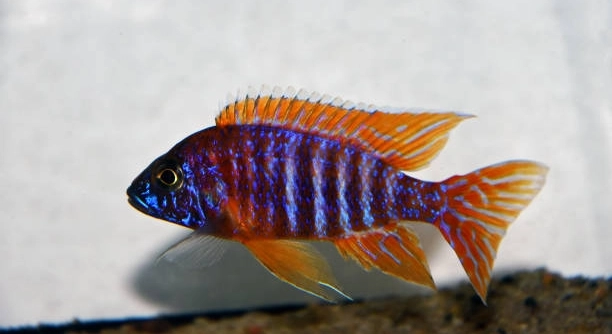
Are your convict cichlids constantly clashing, leaving your aquarium tense and unsettled? These aggressive fish can make your tank feel chaotic, even when you provide proper care, space, and feeding routines for them.
Convict cichlids often fight due to territorial behavior, improper tank size, incompatible tank mates, breeding instincts, insufficient hiding spots, stress from water conditions, or dietary imbalances. Recognizing these factors is essential for managing aggression and maintaining a stable aquarium environment.
Knowing the reasons behind their aggression can help you restore balance and create a calmer, healthier space for your cichlids to thrive.
Territorial Behavior
Convict cichlids are naturally territorial, especially as they grow older. In smaller tanks, their instinct to claim space can lead to constant chasing and nipping. Even if you provide hiding spots, aggressive individuals may still dominate certain areas, preventing others from feeding or resting comfortably. Observing their patterns can help you understand which areas are most contested. Sometimes rearranging the tank decorations or adding barriers can reduce direct confrontations. Males tend to guard their territory more fiercely, while females may defend nesting sites. Recognizing early signs of dominance, like flaring fins and frequent lunging, allows you to intervene before fights escalate. Consistent observation and adjustments to their environment are crucial for minimizing stress and maintaining a more peaceful tank atmosphere.
Providing enough space and defining separate areas in the tank can significantly reduce aggressive encounters.
Separating highly aggressive cichlids or introducing barriers can help maintain harmony. Tank size, decorations, and hiding spots all play a role. Regular monitoring is essential, and small changes like rearranging rocks or plants can shift dynamics, giving weaker fish space to retreat. Over time, these adjustments can reduce tension, allowing all fish to feed and swim without constant confrontation. Ensuring each fish has a territory to claim also minimizes stress and promotes healthier behavior. Even minor modifications can have a significant impact on tank stability, making daily maintenance and observation worthwhile.
Tank Size and Population
A tank that is too small for convict cichlids increases stress and aggression. Crowding leads to constant skirmishes and prevents fish from escaping conflicts. A larger tank allows them to establish separate territories without constant interference.
Providing enough room reduces stress and helps fish coexist peacefully.
Overcrowding is a common reason fights persist. Convict cichlids need enough space to swim freely and claim their own areas. In smaller tanks, hiding spots alone aren’t enough to prevent clashes. Ideally, each adult should have enough room to avoid direct confrontation, especially during feeding or breeding. Introducing too many cichlids increases competition, leading to long-term stress, injury, or illness. Proper tank dimensions also allow for better water circulation, reducing territorial disputes caused by resource scarcity. In addition, sufficient space helps weaker fish escape aggressive individuals, lowering the risk of serious harm. Regular observation and strategic population management are key to maintaining a balanced environment. By prioritizing adequate tank size and avoiding overcrowding, you create a setting where your cichlids can thrive with minimal conflict, supporting their overall health and wellbeing.
Incompatible Tank Mates
Choosing the wrong tank mates can trigger constant fights. Aggressive or similarly territorial species may provoke your convict cichlids, while overly timid fish can become targets, increasing stress for everyone in the tank.
Tank mate selection is critical. Convict cichlids are bold and may chase or nip at fish that don’t assert themselves. Species that are too passive will be harassed constantly, while other aggressive fish can escalate fights. Ideally, pair cichlids with fish that can tolerate similar behavior and occupy different tank levels. Observation is important after adding new fish to catch signs of bullying early. Even minor mismatches in temperament can lead to daily conflicts, so careful planning and adjustment are necessary. Proper pairing reduces stress and allows all fish to thrive.
Even when choosing compatible species, conflicts may occur. Providing ample hiding spaces and ensuring food is distributed evenly can reduce competition. Some aggression is natural, but careful tank management prevents escalation and injuries. Regular observation and occasional rearrangement of the tank can keep dynamics calmer and help weaker fish avoid constant stress, promoting healthier and more peaceful behavior among all inhabitants.
Breeding Instincts
During breeding periods, convict cichlids become highly protective of their nests. Males and females may attack anything that comes too close, including tank mates or even each other at times.
Breeding triggers natural aggression. Males guard territories while females focus on eggs or fry, making both more defensive. Even peaceful fish may become targets when proximity is perceived as a threat. Providing separate breeding areas and visual barriers helps reduce conflict. Consistent monitoring during this period is essential to prevent injuries and stress. Some aggression is unavoidable, but preparation and tank setup adjustments can minimize its impact.
If breeding is frequent, fights may continue beyond immediate nesting. Visual separation, dividers, or rearranged decorations can prevent repeated clashes. Ensuring ample space and hiding spots allows fry and adults to coexist safely. Feeding should be consistent, as hunger can worsen defensive behavior. By managing breeding areas carefully, you support natural behaviors without letting aggression dominate the tank. This approach allows convicts to reproduce while keeping the overall environment calmer and healthier for all inhabitants.
Insufficient Hiding Spots
A lack of hiding places can cause constant chasing. Convict cichlids need shelters to retreat, reduce stress, and avoid conflicts over territory.
Providing rocks, caves, or plants gives fish personal space. Even small additions can prevent fights and help weaker fish feel safe.
Stress from Water Conditions
Poor water quality can make convict cichlids more aggressive. High ammonia, nitrite, or inconsistent temperatures increase irritability, triggering frequent fights. Regular testing and maintenance stabilize their environment and reduce stress-related aggression.
Dietary Imbalances
Improper nutrition can lead to irritability and fighting. Convict cichlids require a balanced diet with proteins and plant matter to remain healthy and calm.
Overcrowding
Too many fish in one tank increases tension. Overcrowding reduces personal space and triggers constant skirmishes among convict cichlids.
FAQ
Why do my convict cichlids keep fighting even in a large tank?
Even in spacious tanks, fights can occur due to strong territorial instincts. Some cichlids are naturally dominant and may chase others repeatedly. Hiding spots, visual barriers, and rearranging decorations can help diffuse tensions and give less aggressive fish safe areas to retreat.
How can I tell if fights are serious or just normal behavior?
Minor chasing and flaring are typical social interactions, but injuries, torn fins, and constant harassment indicate serious aggression. Observing feeding times and territory disputes helps determine if intervention is needed. Separating overly aggressive fish temporarily can prevent long-term harm.
What tank size is ideal for reducing aggression?
For adult convict cichlids, at least a 30-gallon tank for one pair is recommended, with an extra 10 gallons per additional pair. Larger tanks allow them to establish territories without frequent overlap, minimizing constant confrontations.
Can tank mates prevent fights?
Compatible tank mates can reduce aggression by distributing activity across different levels. Avoid similarly aggressive or timid species, as they may escalate conflicts. Peaceful mid- to top-dwelling fish are often best, while careful observation is key after introducing new tank mates.
How do breeding cycles affect fighting?
During breeding, both males and females become defensive over nesting areas. Fights intensify near eggs or fry. Providing visual separation or dedicated breeding areas can help reduce stress and protect weaker or non-breeding fish in the tank.
Do hiding spots really make a difference?
Yes. Rocks, caves, and plants offer retreat options and break sightlines between aggressive fish. Even small additions can reduce stress, prevent constant chases, and give less dominant fish control over their own space. Changing tank layouts occasionally also helps reset territorial claims.
Can diet influence aggression?
A poor diet can make cichlids irritable and more prone to fights. Balanced meals with proteins, vegetables, and occasional live food support calm behavior. Feeding small amounts several times a day ensures no one feels left out, reducing competition.
How often should I monitor water conditions?
Daily checks of temperature, ammonia, nitrite, and nitrate levels prevent stress-related aggression. Inconsistent or poor water quality heightens irritability. Regular water changes and filtration maintenance are crucial to maintaining a stable, peaceful environment.
Is separating aggressive fish the best solution?
Temporarily isolating dominant or overly aggressive fish can prevent injuries. Quarantine tanks or dividers work well. Separation should be combined with environmental adjustments, such as more hiding spots or rearranged decorations, to reduce the likelihood of continued conflicts.
What long-term steps can help maintain a calm tank?
Maintaining proper tank size, balanced diet, clean water, and strategic hiding spots is essential. Monitor social dynamics, adjust tank layout periodically, and manage breeding behavior carefully. Over time, these measures reduce stress and create a stable, healthier environment for all convict cichlids.
Can stress from other fish trigger fights?
Yes. Overcrowding, incompatible tank mates, or aggressive newcomers can elevate stress levels, leading to more frequent attacks. Observing interactions and adjusting populations, tank layout, and resources can prevent chronic aggression.
How do I safely introduce new fish?
Introduce new fish slowly, preferably in a separate section of the tank using a divider. Gradual acclimation helps reduce stress and allows current fish to adjust before direct contact, lowering the risk of immediate fights.
Are some cichlids naturally more aggressive?
Yes. Individual personality matters. Some males are dominant, and certain females are unusually protective. Observing behavior and separating particularly aggressive individuals when needed helps maintain balance.
How can I reduce fighting during feeding?
Distribute food across the tank rather than in one spot. Feeding multiple areas reduces competition and territorial disputes. Small, frequent meals keep fish occupied and limit conflicts over limited resources.
Can rearranging decorations help?
Yes. Changing rocks, caves, and plants disrupts established territories, giving weaker fish a chance to claim space. Even small changes can reset social hierarchies and reduce persistent aggression.
How long does aggression typically last?
Aggression peaks during territorial disputes, breeding, or after tank changes. With proper tank management, hiding spots, and balanced diet, conflicts generally decrease over time, though some dominant behavior may persist.
Are there signs of stress I should watch for?
Faded colors, rapid breathing, hiding constantly, or torn fins indicate stress. Addressing water quality, tank size, and aggression triggers quickly can prevent more serious health problems and fights.
Is adding more fish ever a good idea?
Only if the tank is large enough and new fish are compatible. Overcrowding increases aggression, while carefully chosen additions can balance territorial dynamics and reduce persistent attacks.
Can environmental enrichment reduce aggression?
Yes. Rocks, caves, plants, and visual barriers break line-of-sight and create personal spaces. Rotating decorations occasionally keeps fish engaged and helps prevent fixed territories from causing constant disputes.
What’s the best way to maintain long-term harmony?
Regular water testing, balanced feeding, sufficient space, hiding spots, and careful monitoring of interactions ensure a stable, calm environment. Managing breeding cycles and tank mates proactively minimizes stress and reduces aggression over time.
How do I prevent future fights after resolving aggression?
Keep monitoring social dynamics, maintain clean water, provide adequate hiding spots, and avoid overcrowding. Occasional rearrangement of the tank and attention to breeding behavior help sustain a peaceful environment consistently.
Can aggression affect fish health?
Yes. Constant fighting leads to injuries, stress, and weakened immune systems. Addressing root causes like tank size, water quality, diet, and hiding spaces prevents chronic stress and promotes healthier, calmer fish.
Is it possible for convict cichlids to coexist peacefully long-term?
Yes. With proper tank management, sufficient space, compatible tank mates, and attention to breeding behavior and diet, aggression can be minimized, allowing fish to coexist with reduced stress and fewer fights.
Convict cichlids are naturally strong-willed fish with distinct personalities. Their aggressive behavior is often a normal part of how they interact, especially when defending territory or breeding. Understanding their instincts can help you manage conflicts and create a calmer tank environment. Aggression is not always a sign of poor care, but rather a reflection of their natural tendencies. By recognizing the triggers, such as overcrowding, incompatible tank mates, or lack of hiding spots, you can take steps to reduce stress and prevent frequent fights. Observation is key, as each fish may respond differently to its environment. Some cichlids will remain dominant no matter what, while others adapt quickly when given space and resources. Adjusting tank decorations, providing shelters, and monitoring feeding routines are practical ways to reduce tension. Even small changes, like rearranging rocks or adding plants, can give fish a sense of security and help them avoid constant confrontation.
Maintaining water quality is another critical factor in keeping convict cichlids less aggressive. Poor water conditions, such as fluctuating temperatures or high levels of ammonia and nitrites, can increase stress and irritability, making fights more frequent. Regular testing, water changes, and filtration maintenance are essential to create a stable environment. A balanced diet also supports calmer behavior. Feeding high-quality food in appropriate amounts and distributing it across the tank can reduce competition and minimize fights over resources. During breeding periods, it’s important to provide dedicated areas for nesting to prevent both males and females from becoming overly defensive. Visual barriers or dividers can help protect other fish while allowing natural reproductive behaviors. Proper tank size is equally important. Crowded spaces intensify territorial disputes and make it harder for less dominant fish to escape. Ensuring that each fish has enough personal space allows them to establish territories without constant interference, which improves overall harmony in the tank.
Long-term management of convict cichlids requires patience and consistent attention. Regularly observing social dynamics, making small adjustments to the environment, and carefully selecting tank mates can create a more balanced community. Aggression may never disappear completely, but it can be controlled through strategic tank setup, proper feeding, and attention to breeding behavior. Providing multiple hiding spots, rearranging the tank periodically, and monitoring water quality helps maintain a healthier and calmer environment for all fish. By addressing the causes of conflict and reducing stress factors, you support the well-being of both dominant and less assertive fish. Over time, these practices allow convict cichlids to coexist more peacefully, making the aquarium more enjoyable to maintain and observe. Consistency and proactive management are the keys to sustaining a stable and harmonious tank.

Hello,
If you enjoy the content that we create, please consider saying a "Thank You!" by leaving a tip.
Every little bit helps us continue crafting quality advice that supports the health, happiness, and well-being of pets around the world, for pets of all shapes, sizes, and species.
We really appreciate the kindness and support that you show us!