
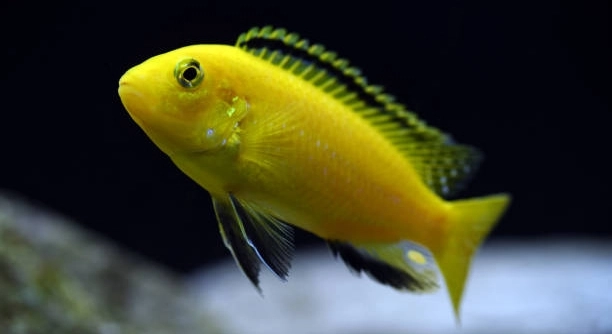
Keeping convict cichlids can be rewarding, but sometimes they seem unusually still. Their inactivity can worry new fish owners who expect constant movement. Observing these fish carefully can reveal patterns and clues about their behavior and health.
A convict cichlid may stop moving due to poor water conditions, stress from tank mates, illness, inadequate diet, improper temperature, lack of hiding spaces, or natural resting periods. Identifying the cause is essential for ensuring proper care and recovery.
Understanding these causes can help you create a safer, healthier environment for your fish. This guide explains the main reasons your cichlid may remain inactive.
Poor Water Quality
Dirty or unbalanced water is a common reason convict cichlids stop moving. Ammonia, nitrite, or nitrate levels that are too high can make fish lethargic and stressed. Even if the water looks clear, harmful chemicals may still be present. Regular testing helps ensure the water stays safe. Changes in pH or hardness can also affect activity, making fish hide or float near the bottom. Frequent partial water changes can stabilize conditions and improve overall health. Temperature swings can worsen water stress, so maintaining a consistent temperature is essential. Filtration should match tank size to remove waste effectively. Observing behavior after water changes often shows improvement, confirming water quality as the main issue. Clean gravel, remove uneaten food, and monitor chemical levels weekly to keep your cichlid active and healthy. Poor water conditions not only slow movement but can lead to illness if left unchecked.
Testing and maintaining proper water conditions is essential. Keeping ammonia, nitrites, and nitrates in safe ranges supports activity and overall health for convict cichlids.
Addressing water quality may require changing filters or adding treatments for pH adjustment. Even small improvements can encourage movement. Some fish take time to recover, especially if stress has been prolonged. Using a water test kit helps track progress. Maintaining regular cleaning routines, monitoring temperature, and avoiding overcrowding all contribute to healthier behavior. Healthy fish are more active, feed normally, and interact with their environment. A stable environment also reduces aggression among tank mates, which often affects activity. Even minor adjustments, like adding plants or decorations, can make the cichlid feel secure. A properly maintained tank prevents disease outbreaks and supports long-term vitality. Observing water quality and acting promptly when levels are off keeps convict cichlids moving consistently.
Stress from Tank Mates
Aggressive or overly active tank mates can make convict cichlids hide or stay still to avoid conflict.
Stress from other fish can cause long-term inactivity. When a convict cichlid feels threatened, it may cling to corners, stay near hiding spots, or reduce swimming to conserve energy. Even small, seemingly harmless fish can trigger stress if territorial space is limited. Overcrowding intensifies this problem, reducing comfort and increasing tension. Tank layout affects how safe a cichlid feels, so adding hiding places like rocks or plants helps. Gradually introducing new fish and monitoring interactions can prevent stress-related inactivity. Reducing aggression improves feeding behavior and encourages normal movement. Tank mates that constantly chase or nip fins will make any cichlid reluctant to explore.
Observing your cichlid’s behavior in response to others is key. Separating aggressive fish or adding barriers can reduce tension. Creating clearly defined territories with decorations and plants gives each fish space. Avoid mixing species with conflicting temperaments. Some fish need to feel dominant, while others require quiet areas to retreat. Watching interactions over days helps determine which changes are necessary. Providing multiple hiding spots ensures the cichlid can escape when threatened. Stress-free environments also support immune function, reducing susceptibility to disease. Maintaining balanced tank populations, along with water quality and temperature, creates conditions that encourage natural activity. Adjusting tank layout and monitoring introductions can prevent long-term lethargy and improve overall health. Regular observation allows owners to respond before inactivity becomes a serious issue.
Illness or Disease
Illness can make convict cichlids stop moving. Common issues include parasites, bacterial infections, and fungal growth. Infected fish may stay at the bottom, lose appetite, or show unusual spots. Prompt treatment and isolation help prevent the problem from spreading.
Illness often develops when water conditions are poor or stress is high. Symptoms like faded color, clamped fins, or labored breathing indicate that a fish is unwell. Quarantining the affected cichlid and treating it with the appropriate medication can improve recovery. Observing behavior daily helps catch problems early, reducing long-term health risks. Feeding high-quality, nutrient-rich food supports immune function during recovery.
Preventing illness involves regular water changes, proper tank cleaning, and maintaining stable temperature. Avoid overcrowding to reduce stress and disease transmission. Introducing new fish gradually helps minimize exposure to pathogens. A healthy diet, combined with consistent observation, ensures cichlids remain active. Using treatments only when necessary prevents overmedication and supports long-term well-being.
Improper Diet
A poor diet can slow movement. Convict cichlids need balanced nutrition, including protein and vegetables, for energy and growth.
Feeding low-quality flakes or infrequent meals can lead to lethargy. A diet that lacks variety weakens the fish and reduces natural activity. Including live or frozen foods, like brine shrimp or bloodworms, helps simulate natural feeding behavior and encourages swimming. Occasional vegetable additions, such as blanched zucchini or spinach, provide essential nutrients. Feeding smaller portions multiple times a day prevents overfeeding, which can also cause sluggishness. Monitoring how your cichlid responds to new foods helps ensure proper nutrition and energy levels.
Inconsistent feeding schedules may contribute to inactivity as fish wait longer for meals or store less energy. Overfeeding can pollute water and increase stress, further limiting movement. A balanced feeding plan promotes healthy digestion and activity. Observing appetite and adjusting portions supports both energy and overall health. Combining protein-rich meals with plant matter improves vitality and encourages natural behaviors like foraging. Nutrition directly affects behavior, so proper diet management keeps convict cichlids active and responsive.
Temperature Issues
Convict cichlids are sensitive to water temperature. Too cold or too hot water can make them sluggish or stop moving entirely. Keeping the tank within their preferred range is essential for normal activity.
Sudden temperature changes increase stress and can weaken the immune system. Using a reliable heater and thermometer helps maintain stability. Gradual adjustments prevent shock and encourage regular swimming patterns.
Lack of Hiding Spaces
Without places to hide, convict cichlids feel exposed and may stay still. Rocks, plants, and decorations give security.
Hiding spots reduce stress and allow fish to rest without constant fear. Providing multiple shelters encourages natural exploration and movement throughout the tank.
Natural Resting Periods
Convict cichlids, like all fish, have natural resting cycles. They may stay still for hours, especially during quieter parts of the day. Observing patterns helps distinguish rest from inactivity caused by other problems.
FAQ
Why is my convict cichlid staying at the bottom of the tank?
This is often a response to stress, poor water conditions, or illness. Fish stay low to feel secure or conserve energy. Checking water quality, observing tank mates, and looking for signs of disease can help identify the cause. Adding hiding spots can also encourage movement.
Can water temperature make my cichlid inactive?
Yes, convict cichlids prefer stable water between 75–82°F (24–28°C). Temperatures below or above this range slow metabolism, making the fish less active. Sudden changes can cause stress or shock. Using a reliable heater and thermometer ensures a consistent environment.
How does diet affect movement?
A poor diet reduces energy levels. Feeding only flakes or infrequent meals can make cichlids sluggish. Including protein-rich foods like brine shrimp or bloodworms and occasional vegetables ensures proper nutrition, supporting activity and healthy growth. Smaller, frequent meals help maintain energy.
Could my cichlid be sick?
Yes, disease often causes inactivity. Watch for faded color, clamped fins, spots, or labored breathing. Quarantining and treating sick fish early improves recovery. Illness often develops from poor water conditions or stress, so prevention through maintenance is key.
Do tank mates cause my cichlid to hide or stop moving?
Aggressive or overly active tank mates can make convict cichlids remain still. Fish feel threatened and cling to hiding places. Adding plants, rocks, or decorations helps create territories and reduces stress. Separating aggressive fish can restore normal movement.
How often should I clean the tank to prevent inactivity?
Regular maintenance is crucial. Weekly partial water changes and gravel cleaning remove waste and keep chemical levels safe. This prevents stress-related inactivity. Monitoring ammonia, nitrites, and nitrates ensures the environment stays healthy, allowing cichlids to swim and explore freely.
Why does my cichlid stay still even when water and diet seem fine?
Sometimes fish are resting or observing their surroundings. Convict cichlids have natural resting periods and may stay still during quieter parts of the day. Watching patterns over several days helps differentiate normal rest from inactivity caused by other issues.
Can overcrowding affect my cichlid’s activity?
Yes, overcrowded tanks increase stress and reduce swimming space. Territorial disputes become more frequent, causing fish to hide or move less. Providing enough space per fish and adding hiding spots improves comfort and encourages activity.
How do I know if my cichlid is recovering after stress or illness?
Look for increased swimming, normal feeding, brighter color, and active interaction with the environment. Recovery can take days or weeks, depending on the cause. Maintaining clean water, stable temperature, and proper nutrition supports faster and full recovery.
Are there environmental factors besides water quality that affect activity?
Yes, tank layout, lighting, and hiding places all influence behavior. Overly bright lighting or lack of shelters can stress fish. Rearranging decorations or adding plants gives a sense of security, encouraging movement. Monitoring how your cichlid responds to changes helps maintain a healthy, active environment.
Is it normal for a cichlid to stay still after feeding?
Yes, after eating, cichlids may rest to digest. This is especially common with larger meals or protein-rich food. Ensuring meals are appropriately sized and frequent helps maintain energy without causing prolonged inactivity.
What signs indicate serious problems requiring intervention?
Signs include rapid gill movement, lethargy lasting more than a day, loss of appetite, unusual spots, or fin damage. These indicate illness, stress, or environmental problems. Prompt action, including water testing, quarantine, or medication, is necessary to prevent worsening conditions.
How can I prevent inactivity in the long term?
Regular water testing, balanced diet, appropriate tank mates, stable temperature, and adequate hiding spots are key. Consistent observation allows early detection of stress or illness. Preventative care ensures convict cichlids remain active, healthy, and comfortable in their environment.
Can adding decorations or plants really increase movement?
Yes, decorations create territories and hiding spots. Plants or rocks reduce stress and encourage exploration. Providing vertical and horizontal spaces stimulates natural behaviors, keeping cichlids active and engaged. Rearranging decorations occasionally can also add interest and activity.
Is it normal for older cichlids to move less?
Some decrease in activity with age is normal, but sudden inactivity is not. Older fish may rest more frequently but should still explore, feed, and respond to their environment. Monitoring changes in behavior helps identify potential health issues.
How do I know if inactivity is temporary or serious?
Observe the duration and pattern of inactivity. Short periods during rest or after feeding are normal. Persistent stillness, paired with other symptoms like loss of color, poor appetite, or hiding, usually signals stress, illness, or environmental issues requiring intervention.
Can stress from frequent handling affect movement?
Yes, excessive handling or moving the tank can stress cichlids. Stress reduces activity and may weaken the immune system. Minimize disturbances, avoid sudden movements, and handle fish only when necessary to maintain normal behavior.
How long does it take for a stressed or sick cichlid to recover?
Recovery varies depending on cause and severity. Minor stress or water issues may resolve in a day or two. Illness or prolonged stress can take weeks. Consistent care, including clean water, proper diet, stable temperature, and reduced stress, accelerates recovery and restores activity.
Can lighting affect activity levels?
Yes, too bright or too dim lighting can influence movement. Convict cichlids feel safer in moderate light. Gradually adjusting lighting and providing shaded areas encourages natural swimming and reduces stress-related stillness.
What should I do if I can’t identify the cause of inactivity?
Check water parameters, observe tank mates, monitor diet, and inspect for illness. If all factors seem normal but inactivity persists, consulting a professional or experienced aquarist may help identify hidden issues and ensure the cichlid’s health.
Convict cichlids are generally active and curious fish, but there are times when they may remain still, which can worry fish owners. Understanding their behavior is important for keeping them healthy and comfortable. Inactivity is rarely random; it usually reflects an underlying factor such as water quality, stress, diet, or illness. Observing the fish regularly helps identify patterns and spot early warning signs. By paying attention to where they spend their time, how they respond to tank mates, and how they feed, you can better understand what your cichlid needs. Even small changes, like adding a hiding spot or adjusting feeding schedules, can make a noticeable difference in their activity levels.
Water quality plays a major role in keeping convict cichlids active. High levels of ammonia, nitrites, or nitrates can quickly stress fish, causing them to hide or stay at the bottom of the tank. Temperature fluctuations and pH changes also affect behavior. Consistent maintenance routines, including weekly partial water changes, filter checks, and water testing, provide a stable environment that encourages swimming and exploration. Clean tanks also prevent illness, which is another common reason for inactivity. Feeding a balanced diet with a mix of protein and vegetables supports energy levels and overall health. Attention to these details not only helps the cichlid stay active but also reduces the risk of disease and stress over time.
Behavior is also influenced by tank layout and companions. Convict cichlids are territorial, so overcrowding or aggressive tank mates can limit their movement. Adding rocks, plants, and decorations creates natural hiding spots, giving the fish a sense of security and freedom to explore. Some inactivity is normal during resting periods or after meals, but persistent stillness, faded color, or loss of appetite may indicate a problem. Observing your fish and making small adjustments to the environment, diet, or social setup can improve their comfort and encourage regular activity. By consistently monitoring and adjusting care routines, you can ensure your convict cichlid remains healthy, active, and able to display its natural behaviors in a secure and stable environment.

Hello,
If you enjoy the content that we create, please consider saying a "Thank You!" by leaving a tip.
Every little bit helps us continue crafting quality advice that supports the health, happiness, and well-being of pets around the world, for pets of all shapes, sizes, and species.
We really appreciate the kindness and support that you show us!