
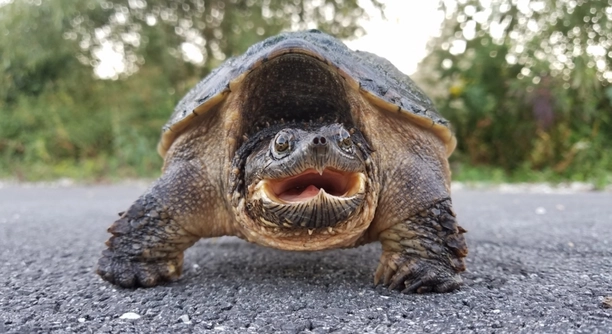
Snapping turtles are fascinating creatures that can often be found basking or resting for long periods. While this behavior is natural, there are times when it may seem excessive. Understanding why can help ensure their well-being.
Several factors may cause your common snapping turtle to sleep more than usual, such as environmental conditions, age, diet, or health issues. Changes in habitat temperature or inadequate nutrition can also contribute to this behavior. Monitoring these elements is crucial for proper care.
Understanding these causes is essential to addressing potential concerns and ensuring the health of your turtle.
Environmental Factors Affecting Your Snapping Turtle’s Sleep
A snapping turtle’s sleep habits are strongly influenced by its environment. These turtles are cold-blooded, meaning their activity levels are closely linked to the temperature around them. If the water or basking area is too cold, they tend to slow down and rest more. Conversely, if it’s too hot, they might seek shade or deeper water to cool off, which can also result in them resting more often.
Temperature changes can cause snapping turtles to enter a sort of semi-hibernation, especially in colder months. If the habitat becomes too warm, they may retreat into the water to regulate their body temperature, further limiting their activity levels. Providing a consistent and comfortable environment is key to maintaining a healthy balance.
Ensuring the right temperature can help prevent these excessive sleep patterns. Regular monitoring of your turtle’s environment can make a big difference in its overall health and energy levels. Proper lighting, water temperature, and basking spots all play a role.
The Impact of Age and Health
As snapping turtles age, their sleep patterns naturally change. Older turtles tend to be less active and may sleep more. Illness or injury can also lead to lethargy. Keeping an eye on their behavior can help you spot any health issues early on.
If your turtle’s sleeping patterns are unusual, it’s worth considering a visit to the vet. Health concerns like shell rot or parasites may cause them to rest more than usual. Even small changes in their diet or routine can lead to noticeable shifts in behavior.
Poor Diet and Malnutrition
A lack of proper nutrition can lead to lethargy in snapping turtles. Without a balanced diet, they may not have the energy to stay active. If your turtle isn’t getting enough protein, vitamins, or minerals, it could cause them to sleep more often.
Some common dietary issues include an imbalance between protein and plant matter or an inadequate variety of foods. Snapping turtles need a mix of animal protein, vegetables, and fruits to thrive. If their diet is lacking, it can affect their overall health and energy levels, leading to extended resting periods. Consider adjusting their food choices or consulting a vet for advice.
The right diet can help restore balance. Offering a mix of live food, such as small fish or insects, along with leafy greens and occasional fruits, will ensure your turtle gets the nutrients it needs. Regular feeding schedules also help maintain a stable energy level, preventing over-sleeping.
Stress and Anxiety in Snapping Turtles
Stress is another factor that can lead to a snapping turtle sleeping too much. Environmental stressors like loud noises, sudden changes in water conditions, or overcrowding can make them feel unsafe. When turtles are stressed, they often retreat into their shells or sleep to escape discomfort.
Keeping your turtle’s habitat calm and secure is essential. Avoid unnecessary disturbances, such as moving their tank too often or exposing them to loud sounds. Snapping turtles also need space to feel secure, so make sure their living environment isn’t overcrowded with other pets. Even minor changes can have a big impact on their stress levels.
Stress can also weaken the turtle’s immune system, making them more susceptible to illnesses that can further contribute to lethargy. By keeping their surroundings calm and providing a proper living space, you can reduce stress and help them stay more active.
Temperature Fluctuations
Snapping turtles are highly sensitive to temperature changes. If their habitat temperature fluctuates too much, it can cause them to become sluggish and sleep more often. Keeping their environment stable is essential to maintaining their activity levels.
Ensure their water temperature stays between 70-80°F. When the water gets too cold or too hot, turtles tend to slow down and rest more. This behavior is linked to their cold-blooded nature, which makes them dependent on the surrounding environment for body temperature regulation.
Providing proper heating lamps or aquatic heaters in their tank can help maintain a consistent temperature and prevent unnecessary lethargy.
Seasonal Changes and Hibernate Behavior
As colder months approach, snapping turtles tend to become less active, sometimes entering a form of hibernation or brumation. This natural behavior leads to longer periods of rest. During the fall, their metabolism slows down, and they often spend most of their time resting or sleeping.
It’s important to note that this behavior is normal and doesn’t usually indicate a health problem. However, they still need a proper environment during this time, including a suitable temperature and access to water.
If your turtle’s sleep increases during the winter, it’s likely just preparing for a seasonal slow down. Just ensure their habitat conditions are suitable for these natural cycles.
Overcrowding in Their Habitat
When snapping turtles are housed with other turtles or animals, overcrowding can quickly become a problem. Too many animals in a small space can cause stress, making your turtle more likely to sleep excessively. Giving your turtle enough room to move freely is important for its health and activity.
Keeping their tank spacious will help them feel secure and comfortable. An overcrowded space often leads to territorial disputes or discomfort, both of which contribute to lethargy. Even if your turtle seems to sleep a lot, this could be a sign of too many animals sharing their space.
FAQ
Why is my snapping turtle sleeping so much?
If your snapping turtle is sleeping more than usual, it could be due to several factors. Temperature fluctuations, poor diet, stress, and even natural seasonal changes can all contribute to excessive sleep. Snapping turtles are cold-blooded, and their activity levels are directly affected by the temperature of their environment. If the water is too cold or too hot, they may become sluggish and rest more. Additionally, an imbalanced diet or environmental stress can also cause them to sleep more frequently.
How can I tell if my snapping turtle is sick?
Signs of illness in snapping turtles can vary, but common symptoms include excessive sleeping, a lack of appetite, changes in behavior, or abnormal shell appearance. If your turtle is unusually lethargic, not eating, or showing signs of shell rot, it’s important to consult a vet. Health issues such as respiratory infections, parasites, or fungal infections can cause lethargy and should be addressed promptly. Always monitor your turtle closely and seek professional advice if you suspect something is wrong.
What should I do if my snapping turtle won’t eat?
If your snapping turtle refuses to eat, first check the water temperature and lighting. If these are not within the ideal range, it can cause your turtle to lose interest in food. Stress and illness are other possible causes. Try offering a variety of foods, such as live prey, vegetables, or fruits, to entice them. If they continue to refuse food for an extended period, it’s time to consult with a vet to rule out health issues.
Can my snapping turtle overeat?
Yes, snapping turtles can overeat, especially if they are given too much protein. Overfeeding can lead to obesity, which affects their overall health and activity levels. It’s important to offer appropriate portions and maintain a balanced diet, including both animal protein and plant matter. Overfeeding can also lead to poor water quality in their tank, which may cause other health issues.
How often should I feed my snapping turtle?
The feeding frequency of your snapping turtle depends on its age. Young turtles, which are growing rapidly, should be fed every day. Adult turtles can be fed 3-4 times per week. It’s important not to overfeed them, as this can lead to obesity and poor health. Always offer a balanced diet that includes protein, vegetables, and fruits. Make sure the food is sized appropriately for your turtle, and remove any uneaten food to prevent it from polluting the water.
Is it normal for my snapping turtle to be inactive sometimes?
It’s normal for snapping turtles to be inactive at certain times of the day or year. They are naturally more active during warmer months and may slow down or sleep more in cooler temperatures. This seasonal behavior is especially noticeable as they prepare for brumation during the winter months. However, if your turtle remains inactive for extended periods without a clear seasonal reason, it could indicate health problems or environmental issues that need to be addressed.
How do I keep my snapping turtle’s habitat at the right temperature?
Maintaining the proper temperature for your snapping turtle is crucial to their activity level. The water temperature should be between 70-80°F, and the basking area should be around 90°F. You can use an aquarium heater to regulate the water temperature, and a heat lamp to provide warmth for basking. Always monitor the temperatures regularly with a thermometer to ensure they stay within the appropriate range. Sudden changes in temperature can cause stress, leading to excessive sleep or other health issues.
Why does my snapping turtle stay at the bottom of the tank?
If your snapping turtle is staying at the bottom of the tank, it might be due to temperature or stress. Turtles often retreat to the bottom to regulate their body temperature when the water is too hot or too cold. Stress from environmental changes, overcrowding, or poor water quality can also cause them to seek refuge at the bottom. Ensure their habitat is appropriately set up, with areas for both basking and swimming, to encourage more natural behavior.
What kind of lighting does my snapping turtle need?
Proper lighting is important for your snapping turtle’s health and well-being. UVB lighting helps them synthesize vitamin D3, which is essential for calcium absorption and shell health. The basking area should also have a heat source to allow the turtle to regulate its body temperature. Be sure to provide a 12-hour light cycle to mimic natural day and night patterns. This will help your turtle maintain a healthy sleep-wake cycle and stay active during the day.
How can I reduce stress in my snapping turtle?
To reduce stress in your snapping turtle, it’s essential to provide a calm and comfortable environment. Avoid sudden changes in their habitat and ensure they have enough space to move around. Overcrowding can make them feel threatened, so it’s important to give them enough room to feel secure. Regular cleaning of the tank, consistent feeding schedules, and reducing noise and disturbance around their habitat can all help minimize stress and keep your turtle healthy.
Final Thoughts
Understanding why your snapping turtle might be sleeping too much is crucial to maintaining its health and well-being. While occasional sleep is normal, excessive lethargy can be a sign of underlying issues such as temperature fluctuations, stress, or health problems. By closely monitoring the conditions in their environment, you can help ensure that your turtle stays active and healthy. Temperature, diet, and habitat are all key factors in keeping your turtle comfortable and thriving.
Proper care involves providing your snapping turtle with a balanced diet, maintaining stable water temperatures, and ensuring they have enough space. Snapping turtles need access to both warm basking areas and cool water to regulate their body temperature. When the temperature is too high or too low, it can cause them to sleep more than usual. Additionally, overcrowding or improper water quality can lead to stress, which may also cause excessive sleep. Regular tank cleaning, monitoring water quality, and offering a varied diet can all contribute to a healthier and more active turtle.
If your turtle’s sleeping habits continue to seem excessive or abnormal, it’s important to consult with a veterinarian. A professional can help rule out any health issues that might be causing the lethargy and guide you on how to make improvements in the turtle’s care routine. By staying vigilant and addressing any concerns early on, you can ensure that your snapping turtle lives a long and healthy life.

Hello,
If you enjoy the content that we create, please consider saying a "Thank You!" by leaving a tip.
Every little bit helps us continue crafting quality advice that supports the health, happiness, and well-being of pets around the world, for pets of all shapes, sizes, and species.
We really appreciate the kindness and support that you show us!