
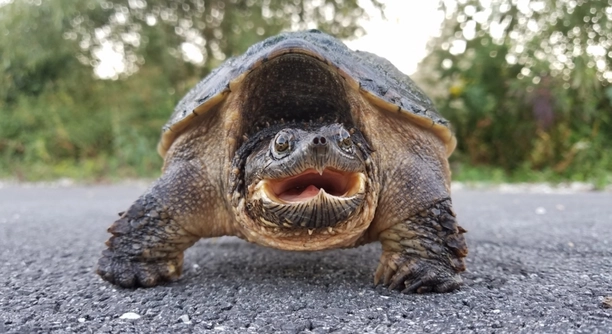
Turtles are fascinating creatures, and their movements often leave us wondering what’s going on. If your common snapping turtle is moving erratically, it could be a sign of several underlying causes that need attention.
Erratic movements in snapping turtles are commonly linked to environmental stressors, health issues, or changes in their habitat. Common causes include poor water quality, infections, and an inadequate diet. A proper care routine can help stabilize their behavior.
Understanding these reasons will assist you in addressing the problem and ensuring your snapping turtle’s well-being.
Poor Water Quality
The quality of water is crucial to the health of your snapping turtle. Turtles require clean, well-maintained water to thrive. If the water in your turtle’s habitat is dirty, too warm, or too cold, it can cause discomfort, leading to erratic movements. A sudden change in water temperature or an accumulation of waste can stress the turtle, affecting its behavior. Regular water changes and a filtration system are essential for maintaining a healthy environment. Turtles also need a balanced level of humidity and appropriate basking areas. Without these, they may become restless and disoriented.
Water quality is easily overlooked but plays a significant role in a turtle’s health. Make sure to test the water regularly and adjust the temperature as needed.
Turtles in poor water conditions can also become prone to infections. Bacteria and parasites thrive in dirty water, causing skin issues and internal health problems. If untreated, this can result in erratic swimming behavior, lethargy, and a lack of appetite. By keeping the habitat clean, your turtle can maintain its natural behavior and activity.
Infections
Infections can cause significant changes in a turtle’s behavior. Snapping turtles are vulnerable to both bacterial and fungal infections. These infections can affect their skin, shell, or internal organs. When a turtle is sick, it may show signs like erratic movements, lethargy, or even a loss of coordination. Infections often occur due to poor water quality, so addressing this issue first is vital.
Turtles may also develop respiratory infections, which can affect their swimming patterns and cause abnormal movement. Keeping an eye on your turtle for any signs of discomfort or visible issues can prevent infections from worsening.
In addition to cleaning the environment, regular veterinary checkups help ensure your turtle’s health. If your turtle’s erratic movement is linked to an infection, getting proper treatment is crucial. Timely intervention can stop the problem from escalating and ensure your turtle’s recovery.
Improper Diet
An imbalanced diet can lead to erratic movements in snapping turtles. Turtles need a variety of nutrients to maintain their energy levels and overall health. A diet lacking in essential vitamins and minerals can make a turtle sluggish or overly active, resulting in strange behaviors. Common signs of an improper diet include lack of appetite, excessive swimming, and odd body movements.
Turtles require a mix of protein, calcium, and other nutrients to stay healthy. In particular, too much protein or not enough calcium can cause issues with their shell and bones. These deficiencies can lead to abnormal movements and stress.
Providing a balanced diet is essential for your turtle’s health. Offering both plant and animal-based foods will ensure they receive the proper nutrients. Avoid overfeeding and make sure to provide fresh, varied meals. With the right nutrition, your turtle will move more naturally and stay healthy.
Stress
Stress is another major factor that can cause erratic movement in turtles. Snapping turtles are particularly sensitive to changes in their environment. Loud noises, new surroundings, or the presence of other animals can stress them out. A stressed turtle may exhibit behavior such as pacing, swimming in circles, or rapid movements.
It’s essential to minimize stress in your turtle’s habitat. Avoid sudden changes and try to maintain a consistent routine. Providing a quiet, safe space where your turtle can retreat to helps it feel secure. Turtles thrive in environments that remain calm and predictable.
If your turtle is constantly stressed, it could lead to long-term health issues, including impaired movement. Stress affects their immune system, making them more susceptible to illnesses. Creating a stable environment is key to promoting natural behavior and ensuring your turtle’s well-being.
Inadequate Habitat
An inadequate habitat can lead to erratic behavior in your snapping turtle. Without the right setup, they may struggle to adjust, causing stress and discomfort. Turtles need both land and water areas, with enough space to move freely.
Ensure that your turtle’s enclosure is large enough to allow for normal activity. The water should be deep enough for swimming, and there should be a dry area for basking. If the enclosure is too small, the turtle may feel cramped, leading to restless or erratic movements.
Temperature control is also vital. Turtles need warm water and a basking area to regulate their body temperature. If the environment is too hot or too cold, it can cause stress and disrupt normal behavior. Providing the right balance of space, temperature, and humidity is essential for maintaining a healthy, stable habitat.
Poor Lighting
Lighting plays an important role in regulating your snapping turtle’s behavior. Lack of proper lighting can affect their natural sleep-wake cycles and overall health. UVB lighting is crucial for calcium absorption, preventing issues like shell deformities.
If the lighting is inadequate, it can lead to a lack of energy, abnormal movements, or sluggish behavior. Turtles need exposure to both UVB and UVA light to remain active and healthy. Without proper lighting, they may also have trouble digesting food or absorbing nutrients, contributing to erratic movements.
Be sure to use UVB bulbs that are specifically designed for reptiles and change them regularly to maintain their effectiveness. A proper light schedule helps keep your turtle’s circadian rhythm intact, promoting normal behavior. Proper lighting not only benefits your turtle’s health but also stabilizes its movement patterns.
Overcrowding
Overcrowding can lead to stress and erratic behavior in snapping turtles. When multiple turtles share the same space, they may become agitated, causing them to move erratically or show aggressive tendencies.
Too many turtles in one enclosure can lead to competition for food, basking spots, and space. This stress can affect their behavior, making them more likely to swim in unpredictable patterns. It’s important to give each turtle enough space to feel secure and comfortable in its environment.
Improper Handling
Improper handling can also cause your snapping turtle to act erratically. When turtles are handled too much or inappropriately, it can lead to stress and disorientation. Always be gentle and brief when interacting with them.
Snapping turtles, in particular, are more sensitive to being handled. Overhandling them can cause undue stress, which may result in erratic movements or refusal to eat. By keeping interactions limited and calm, your turtle will feel safer and more relaxed, reducing the chances of unusual behavior.
Lack of Exercise
Turtles require regular physical activity to stay healthy. Without enough space or opportunities to move, they may become restless or show signs of erratic movement. A lack of exercise can also lead to health problems like obesity, which can affect their mobility.
Ensure your turtle has ample space to swim and walk. The more room they have to move freely, the less likely they are to show signs of stress or erratic behavior. Regular exercise not only promotes physical health but also contributes to their mental well-being.
FAQ
Why is my snapping turtle moving erratically?
Erratic movements in snapping turtles are often linked to environmental stressors, health issues, or improper care. Common causes include poor water quality, infections, an inadequate diet, and improper habitat conditions. Turtles are sensitive creatures, and when their environment isn’t ideal, it can affect their behavior. Regularly checking water temperature, quality, and lighting, along with providing proper nutrition and space, can help stabilize their movements.
What should I do if my turtle’s behavior is abnormal?
First, evaluate the conditions in their habitat. Ensure the water is clean, the temperature is appropriate, and the lighting is adequate. If you notice visible signs of illness, such as unusual swimming patterns, lethargy, or a lack of appetite, it’s essential to consult a veterinarian. They can help diagnose any underlying health issues.
How do I know if my turtle is stressed?
Stress in snapping turtles can be observed through behaviors like erratic swimming, pacing, or hiding. They may become aggressive or show signs of anxiety, such as rapid movements or avoiding food. Environmental factors such as overcrowding, loud noises, or sudden changes in habitat can trigger stress. Ensuring your turtle has enough space and a consistent, quiet environment can reduce stress.
Can poor diet cause erratic behavior in my turtle?
Yes, an improper diet can lead to abnormal behavior in turtles. If they lack essential nutrients like calcium, protein, or vitamins, they may exhibit signs of distress or erratic movements. Offering a balanced diet with both animal and plant-based foods is crucial for their well-being. Overfeeding or underfeeding can also cause irregular behavior, so it’s essential to maintain a proper feeding schedule.
What water temperature is best for my snapping turtle?
Snapping turtles thrive in water that ranges from 75°F to 80°F (24°C to 27°C). The water should not be too cold, as it can lead to sluggish behavior or health issues. Too high a temperature can also be harmful, making the turtle more stressed or dehydrated. Using a water heater with a thermometer can help maintain a consistent and comfortable temperature.
How often should I clean my turtle’s habitat?
Cleaning the habitat regularly is essential for your turtle’s health. At a minimum, you should perform partial water changes every 1-2 weeks. If you notice a buildup of waste or dirty water, it’s best to clean the tank sooner. A good filtration system can reduce the frequency of cleaning, but regular checks are important to ensure your turtle’s environment remains safe.
How much space does my snapping turtle need?
Snapping turtles need ample space to swim, bask, and explore. Ideally, the tank should be at least 75 gallons for one adult turtle, with enough depth for swimming. Turtles also need a dry area where they can bask and regulate their body temperature. Providing enough space will reduce stress and promote healthier behavior.
Is UVB lighting important for my turtle?
Yes, UVB lighting is essential for snapping turtles. It helps them synthesize vitamin D3, which is crucial for calcium absorption and shell health. Without proper UVB exposure, turtles can develop shell deformities, weakened bones, and other health problems. Make sure to provide both UVB and UVA light sources for a balanced environment.
Can I keep multiple turtles together?
While it is possible to house multiple snapping turtles together, it can lead to aggression and stress, especially if the enclosure is too small. Overcrowding can cause competition for food and basking spots, leading to erratic behavior. If you choose to house more than one turtle, ensure there is enough space and resources to accommodate them without causing stress.
Why is my snapping turtle swimming in circles?
Swimming in circles can indicate stress, confusion, or an underlying health issue. If the tank is too small or the water is of poor quality, it can cause your turtle to swim aimlessly. This behavior can also result from boredom or lack of stimulation. Ensure that the turtle’s environment is enriching and appropriate to promote natural behavior.
What do I do if my turtle refuses to eat?
A refusal to eat can be caused by various factors, including stress, illness, poor water quality, or improper diet. First, check the water conditions and make sure they are optimal. If your turtle is still not eating, consider offering different types of food or adjusting the diet. If the problem persists, consult a veterinarian for advice.
How can I tell if my turtle is sick?
Signs of illness in turtles include lethargy, refusal to eat, abnormal swimming patterns, or visible symptoms like swelling, open wounds, or discolored shells. If you notice any of these signs, it’s best to take your turtle to a reptile veterinarian for diagnosis and treatment. Early intervention can prevent more serious health issues.
Should I provide a basking area for my snapping turtle?
Yes, a basking area is necessary for your turtle’s health. Snapping turtles need to bask to regulate their body temperature and absorb UVB light. A dry, warm spot with a UVB light source should be provided. This will help your turtle maintain its health and prevent behavioral issues caused by improper temperature regulation.
What happens if my turtle’s tank is too small?
If the tank is too small, your turtle may become stressed or agitated, which can result in erratic movements. Snapping turtles need plenty of room to swim and explore. A cramped environment can limit their natural behaviors and lead to poor health. Providing enough space helps keep your turtle active and stress-free.
Can I use tap water for my turtle’s tank?
Tap water is generally fine for your turtle’s tank, but it needs to be treated first. Tap water contains chlorine and chloramines, which can be harmful to turtles. Use a water conditioner to remove these chemicals before adding it to the tank. Regularly test the water to ensure its quality remains optimal.
Final Thoughts
Understanding why your snapping turtle may be moving erratically is crucial to providing proper care. Factors like environmental stress, poor water quality, diet issues, and possible health problems all play a role in your turtle’s behavior. By keeping the habitat clean, ensuring the right water temperature, and offering a balanced diet, you can often address many of the common causes. Regular monitoring of your turtle’s surroundings and behavior is key to noticing any changes early on. Keeping an eye on these details can help prevent future health issues and reduce stress for your turtle.
If you observe unusual movements, it’s important to check all aspects of your turtle’s environment. The water should be clean and filtered, with proper temperature and pH levels maintained. UVB lighting is essential for their shell and bone health, so ensure your turtle has access to proper basking spots. If changes in behavior continue despite improving the environment, consider consulting a reptile veterinarian for further guidance. They can help diagnose any underlying health conditions and recommend appropriate treatment. Catching problems early can significantly improve your turtle’s overall well-being.
Taking a proactive approach to turtle care will not only help with erratic movements but will also ensure your turtle’s long-term health and happiness. With a balanced environment, proper diet, and regular health checks, your snapping turtle can thrive. Remember that turtles, like all pets, require time, attention, and proper care to live a healthy life. By providing a stable and suitable habitat, you’ll be giving your turtle the best chance to live a happy, stress-free life.

Hello,
If you enjoy the content that we create, please consider saying a "Thank You!" by leaving a tip.
Every little bit helps us continue crafting quality advice that supports the health, happiness, and well-being of pets around the world, for pets of all shapes, sizes, and species.
We really appreciate the kindness and support that you show us!