
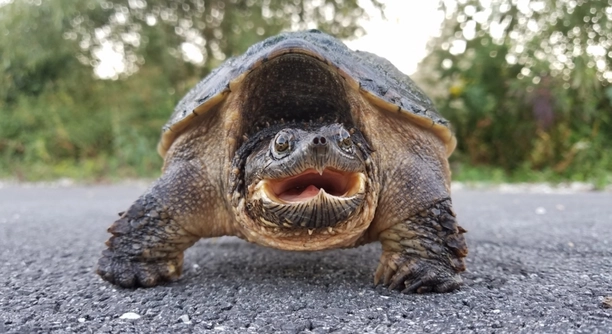
Some snapping turtles may avoid heat lamps, causing concern for their owners. This behavior can stem from several factors related to their environment, health, or comfort. Understanding why this happens can help provide a better habitat.
There are several reasons your common snapping turtle might avoid the heat lamp. It could be due to improper temperature settings, the turtle’s age, health issues, or even stress from changes in its environment. Understanding these factors is essential for proper care.
Knowing these causes can help ensure your snapping turtle stays healthy and comfortable. Adjusting their environment may improve their well-being and comfort.
Temperature Mismatch
One of the most common reasons a snapping turtle avoids its heat lamp is an incorrect temperature setting. These turtles need a warm basking spot to regulate their body temperature. If the heat lamp is too hot or too cold, the turtle may seek comfort elsewhere. The optimal basking temperature for a snapping turtle is around 85°F to 90°F (29°C to 32°C). If your turtle is staying away from the lamp, it might be because it feels uncomfortable under it. Make sure to use a thermometer to check the temperature regularly and adjust the lamp if necessary.
Sometimes, an easy solution is simply adjusting the distance between the lamp and the turtle’s basking area. Too much heat can cause the turtle to feel overwhelmed, while too little heat may not provide the warmth it needs. Properly positioning the lamp is essential for its effectiveness in creating a suitable basking zone.
If you continue to notice your turtle avoiding the heat lamp despite adjusting the temperature, it could be a sign of other issues, such as stress or health concerns. Keep an eye on its behavior and consult a veterinarian if needed.
Stress from Changes
Snapping turtles are sensitive to changes in their environment. If there has been a recent move or alterations in their tank setup, this could lead to stress. Stress can cause a turtle to withdraw, avoiding its heat lamp as part of its response to discomfort. Even minor changes like adding new decorations or changing the water filter can disrupt a turtle’s routine. Over time, they may return to their normal habits once they adjust.
Stress also arises from other factors such as noise, vibration, or too much human interaction. Reducing disturbances in their environment can help your snapping turtle feel more comfortable. Creating a quiet, consistent habitat is essential to ensuring your turtle stays healthy and content.
Health Issues
Health problems can also cause your snapping turtle to avoid the heat lamp. Conditions like shell rot, respiratory infections, or parasites can make it difficult for the turtle to move around or feel comfortable. If your turtle is sick, it might avoid basking altogether.
When a snapping turtle is sick, its behavior often changes. You may notice it spending more time hiding in the water or sitting in dark corners of the tank. If the turtle is avoiding the heat lamp and showing other signs of distress, such as lethargy or loss of appetite, a visit to a vet is necessary.
Ignoring health issues can worsen the situation. A veterinarian can help identify the underlying problem and guide you on how to care for your turtle properly. Prompt medical attention is key to ensuring your turtle gets back to normal quickly and comfortably.
Lighting Problems
A snapping turtle may avoid its heat lamp if the lighting is not providing the right spectrum of light. These turtles need both heat and UVB light to stay healthy. UVB helps them process calcium, preventing shell deformities and other health issues.
UVB bulbs lose their effectiveness over time, even if they still emit light. This can leave your turtle without the essential light it needs. If the UVB bulb is old or not functioning properly, your turtle may avoid basking under the heat lamp. Regularly replace UVB bulbs every 6 to 12 months.
Without proper lighting, your snapping turtle may not feel compelled to bask. They might even suffer from calcium deficiencies, which could lead to more serious health problems. Ensure you use a high-quality UVB bulb and replace it as needed.
Overexposure to Light
Too much light can also make a snapping turtle avoid its heat lamp. If the light is on for too long or is too intense, the turtle may seek shelter. Turtles need a day-night cycle to maintain their natural rhythms, and constant exposure to light can disrupt this balance.
The ideal lighting schedule for your snapping turtle is 12 to 14 hours of light during the day, followed by 10 to 12 hours of darkness. This helps regulate its circadian rhythm and encourages proper basking behavior. Avoid leaving the light on for extended periods to ensure your turtle gets enough rest.
Poor Tank Setup
A poorly arranged tank can also make your turtle avoid the heat lamp. If there isn’t enough space for it to move around comfortably, it may not feel safe or secure enough to bask. Proper tank design is essential to make your turtle feel at ease.
Ensure there are hiding spots, clear water, and enough room for the turtle to access both land and water areas. A cramped or cluttered tank can increase stress, which leads to avoidance of the heat source. Creating an appropriate environment will encourage more natural behavior and well-being.
Water Quality
Water quality plays a crucial role in whether your snapping turtle will approach the heat lamp. Dirty or stagnant water can cause discomfort and discourage the turtle from leaving the water. Regular water changes and filtration are important for your turtle’s health and behavior.
If the water is contaminated, the turtle may prefer to stay submerged or near the tank’s cooler areas. A clean, properly filtered tank ensures that the turtle can comfortably bask without feeling stressed or unwell. Make sure to monitor the water quality and adjust it as needed.
FAQ
Why is my snapping turtle not basking under the heat lamp?
If your snapping turtle is avoiding the heat lamp, it could be due to several reasons. It might not be comfortable with the temperature or light levels, or it could be avoiding the area because of health issues or stress. Make sure the heat is in the right range, around 85°F to 90°F, and that the UVB light is functioning properly. Also, check if there have been any changes in the environment that might cause stress, such as noise or new tank setups.
How do I know if the temperature is correct for my turtle?
To ensure your turtle is basking at the right temperature, use a thermometer to measure the basking area. The optimal temperature should range from 85°F to 90°F. If it’s too hot, your turtle might avoid the spot, and if it’s too cold, the turtle may not get the warmth it needs for proper digestion and metabolism. Be sure to regularly check the temperature with a reliable thermometer to keep it in the ideal range.
Can a snapping turtle get too much UVB light?
Yes, it’s possible for a snapping turtle to get too much UVB light, but it’s rare. Overexposure to UVB can cause skin irritation or eye problems. Typically, UVB light is essential for the turtle’s calcium absorption, but it should be provided within a proper lighting schedule of 12 to 14 hours a day. Too much light can disrupt its day-night cycle and lead to stress. Always ensure that the UVB bulb is positioned properly and isn’t too intense.
What are signs my snapping turtle might be sick?
If your turtle is avoiding the heat lamp and behaving unusually, it could be a sign of illness. Look for signs like lethargy, loss of appetite, shell damage, or unusual swimming patterns. These symptoms often indicate health issues like respiratory infections, shell rot, or parasites. If you notice these signs, it’s important to take your turtle to the vet for an examination and diagnosis.
How can I reduce stress in my snapping turtle?
To reduce stress, maintain a calm environment. Avoid excessive noise, vibrations, or too much human interaction around the tank. Ensure the tank is set up correctly with hiding spots and a clean, filtered water system. Consistent care and handling are key to preventing stress in your turtle. Keeping the environment stable will help your turtle feel more secure.
Can I leave my turtle under the heat lamp all day?
While it’s important for your turtle to bask, it shouldn’t stay under the heat lamp all day. A good lighting schedule is 12 to 14 hours of light, followed by 10 to 12 hours of darkness. This mimics the natural day-night cycle and encourages healthy behavior. Leaving the heat lamp on all day can cause stress and overexposure to light, which could harm your turtle’s health.
Should I use a timer for the heat lamp?
Using a timer for your turtle’s heat lamp is a good idea. A timer ensures that the heat lamp operates for the correct amount of time each day, simulating a natural day-night cycle. This makes it easier to maintain a consistent light schedule, which is crucial for your turtle’s health and well-being.
How often should I change the water in my turtle’s tank?
You should change about 25% of the water in your turtle’s tank every week. This helps keep the water clean and reduces the buildup of harmful chemicals or bacteria. In addition to regular water changes, you should also have a good filtration system to keep the water fresh. If the water is dirty or the filter is not functioning correctly, your turtle may avoid the basking area or become stressed.
What kind of tank setup is best for a snapping turtle?
A snapping turtle needs a spacious tank with both land and water areas. The water area should be deep enough for your turtle to swim, and the land area should have a heat lamp for basking. You should also provide hiding spots and a filter to maintain water quality. A properly arranged tank with enough space will encourage your turtle to bask and feel comfortable.
Can snapping turtles live without a heat lamp?
No, snapping turtles cannot live without a heat lamp. They are ectothermic, meaning they rely on external heat sources to regulate their body temperature. A heat lamp is essential for their metabolism, digestion, and overall health. Without it, they may become lethargic, sick, or fail to thrive in captivity. Be sure to provide a reliable heat source for your turtle.
How can I tell if my turtle’s heat lamp is working properly?
You can check if the heat lamp is working by measuring the temperature in the basking area. If the temperature is within the proper range (85°F to 90°F), then the lamp is likely functioning correctly. If the temperature is too low or too high, it might be time to replace the bulb or adjust the distance between the lamp and the basking area. Regularly replacing the bulb is important, as UVB lights lose their effectiveness over time.
What should I do if my turtle is avoiding the heat lamp for a long time?
If your turtle is consistently avoiding the heat lamp for several days or longer, check the temperature, water quality, and overall health. If everything seems fine and your turtle is still avoiding the heat source, it may be experiencing stress or illness. Monitor your turtle’s behavior closely and seek veterinary help if you suspect a health issue. Proper care and a stable environment are essential to getting your turtle back on track.
Final Thoughts
Understanding why your snapping turtle might be avoiding the heat lamp can help you address the problem effectively. It’s crucial to ensure the temperature and lighting in the tank are appropriate for your turtle’s needs. Snapping turtles rely on a warm basking spot to regulate their body temperature, and any fluctuation in the environment can cause them to avoid the area. Proper tank setup, with enough space and the right balance of land and water, also plays a significant role in encouraging natural behaviors.
Monitoring water quality and providing a clean environment is another key factor. Dirty water can cause discomfort and discourage your turtle from basking. Regular water changes and proper filtration can help keep the water clean and ensure your turtle feels comfortable. The overall tank environment should be stress-free, with hiding spots and plenty of room for your turtle to move around. Stress can cause your snapping turtle to avoid the heat lamp, so maintaining a calm environment is essential.
Lastly, always keep an eye on your turtle’s health. If your snapping turtle is not basking under the heat lamp, it could be a sign of illness or discomfort. Look for any signs of lethargy, loss of appetite, or abnormal behavior. If your turtle shows signs of sickness, it’s important to consult a veterinarian who specializes in reptiles. Taking the right steps to ensure your snapping turtle’s environment is optimal will help them thrive and bask under the heat lamp as they should.

Hello,
If you enjoy the content that we create, please consider saying a "Thank You!" by leaving a tip.
Every little bit helps us continue crafting quality advice that supports the health, happiness, and well-being of pets around the world, for pets of all shapes, sizes, and species.
We really appreciate the kindness and support that you show us!