
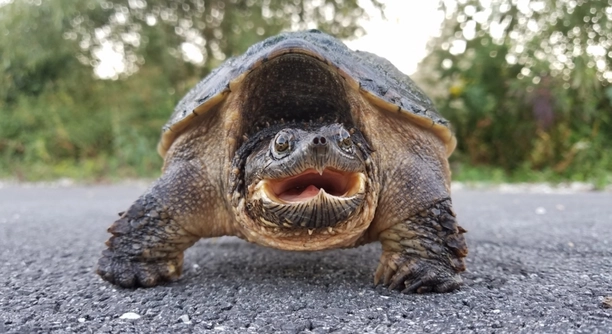
Sometimes, your snapping turtle may seem a bit slower than usual, and you might wonder what could be causing the change. If you’re a turtle owner, understanding its behavior can help keep it healthy.
There are several reasons your snapping turtle may appear lethargic, such as poor water quality, improper diet, temperature imbalances, stress, illness, or age. Ensuring the right habitat and care is crucial in supporting its health and activity.
There are simple ways to ensure your snapping turtle remains active and healthy. These factors play a key role in how your turtle behaves, and addressing them can help restore your turtle’s energy and well-being.
Poor Water Quality
A snapping turtle thrives in clean, well-maintained water. If the water in the tank or pond isn’t being changed regularly, bacteria and waste can build up, causing stress or illness. This can result in a lack of energy and movement. Over time, dirty water affects the turtle’s overall health, weakening its immune system and making it more prone to diseases.
Water quality plays a major role in your turtle’s activity levels. Snapping turtles are sensitive to changes in their environment, and poor water conditions can significantly slow them down. Keeping the water clear and free of harmful substances is essential for their well-being.
To maintain proper water quality, make sure to perform regular water changes and clean the tank or pond thoroughly. Invest in a good filtration system, as it helps maintain the ideal environment for your snapping turtle. Be mindful of any changes in behavior, such as lethargy, as it could be a sign that something in the water needs attention.
Improper Diet
The food you provide your snapping turtle can affect its energy levels.
A poor diet, lacking essential nutrients, can lead to fatigue and sluggishness. Snapping turtles need a balanced diet of protein, vegetables, and calcium to stay active. Feeding them only one type of food can result in nutritional imbalances, causing lethargy. If your turtle is not getting the right nutrients, it may not have the energy to move around or hunt for food.
Feeding your turtle a varied diet is key to keeping it energized. High-protein foods, like fish, insects, and worms, should be combined with vegetables like leafy greens for a more complete meal. Calcium supplements are also essential for strong bones and shells. Make sure your turtle is receiving the right mix of food so it remains healthy and active.
Temperature Imbalances
Temperature is a crucial factor in your turtle’s activity.
If the water is too cold or too hot, your snapping turtle won’t be able to function properly. Cold temperatures slow down their metabolism, causing lethargy and lack of movement. Conversely, if the water is too warm, it may cause stress. A stable temperature is necessary.
Maintaining the right water temperature is essential for your turtle’s health. Snapping turtles need water that’s between 75°F and 80°F (24°C to 27°C). You can use a thermometer to monitor the water regularly. If the temperature is off, adjust it gradually, using a heater or cooler as needed.
Creating a comfortable basking area with a heat lamp is also important. Snapping turtles need a dry spot to warm up outside the water. Make sure the basking spot is warm enough, as it helps with digestion and general activity. Be mindful of sudden changes in temperature, as they can affect your turtle’s behavior.
Stress
Stress can cause significant changes in behavior.
Turtles, like many animals, are sensitive to their surroundings. If something in their environment is causing them stress, like loud noises, other aggressive animals, or a sudden change in habitat, it can result in lethargy. Turtles often retreat into their shells when stressed and become inactive.
Identifying the source of stress is the first step. If you’ve recently moved your turtle to a new tank or area, give it some time to adjust. Avoid putting it in places with too much noise or activity. Additionally, other animals, including tank mates, may cause stress by being too aggressive or territorial. Ensure the tank is spacious and safe.
Handling your snapping turtle too much can also add to its stress levels. Limit the amount of direct interaction and allow your turtle to explore its space. A calm and peaceful environment is key to keeping your turtle healthy and active.
Illness
If your snapping turtle is suddenly lethargic, it could be a sign of illness.
Common illnesses in turtles include respiratory infections, shell rot, and parasites. These can cause your turtle to slow down, eat less, or hide in its shell. It’s important to monitor any other symptoms that may appear.
If your turtle is showing signs of illness, it’s best to consult a veterinarian familiar with reptiles. Early detection of health issues can prevent further complications and improve recovery chances. Make sure to maintain proper water conditions and diet to avoid infections that can lead to lethargy.
Age
As snapping turtles age, they naturally become less active.
Older turtles might not move around as much and may spend more time resting. Their metabolism slows down with age, which can make them appear lethargic. While this is a normal part of aging, it’s important to keep monitoring their health.
Aging turtles need the same care as younger ones, but you may need to adjust their environment. Providing softer substrates and easier access to food and water can make life more comfortable for them. Regular checkups are important to ensure they stay healthy despite their reduced activity levels.
Habitat Size
A cramped environment can lead to a lack of energy.
If your snapping turtle is housed in a small tank or enclosure, it may not have enough space to move around. This can result in a lack of exercise, leading to sluggish behavior. A spacious tank encourages your turtle to explore and stay active.
FAQ
Why is my snapping turtle staying at the bottom of the tank?
If your snapping turtle is staying at the bottom of the tank, it could be due to several factors. Often, this behavior is linked to water temperature. If the water is too cold, your turtle may seek the cooler depths where it feels more comfortable. Another reason could be poor water quality, as turtles tend to avoid moving around in contaminated water. It’s important to maintain proper water conditions and monitor the temperature. If your turtle continues to stay at the bottom despite changes, check for signs of illness or stress that could be affecting its behavior.
How often should I feed my snapping turtle?
Snapping turtles should be fed two to three times a week. However, the frequency depends on their age and size. Young turtles require more food to support their growth, so feeding them daily is common. For adult turtles, feeding can be spaced out more. It’s important not to overfeed, as obesity can lead to health problems. Providing a balanced diet with protein and vegetables ensures that your turtle gets the nutrients it needs for energy. Keep an eye on its weight to adjust feeding habits accordingly.
What type of food should I be giving my snapping turtle?
Snapping turtles are omnivores, which means they eat both animal and plant matter. A healthy diet for a snapping turtle includes high-protein foods like fish, worms, and insects, as well as leafy greens, such as kale, dandelion greens, and lettuce. They can also eat fruits like berries and apples. Offering a mix of protein and vegetables helps maintain a balanced diet. Calcium supplements are important for shell health and should be included in their diet. Avoid feeding your turtle processed foods, as they lack the necessary nutrients for optimal health.
How can I tell if my snapping turtle is sick?
A sick snapping turtle might show several signs, including lethargy, loss of appetite, changes in behavior, and unusual hiding. If the turtle’s shell appears soft, discolored, or has visible damage, it could be an indication of shell rot. Respiratory infections can cause wheezing or labored breathing. Swollen or cloudy eyes, abnormal feces, or visible parasites on the skin are also signs that something is wrong. If you notice any of these symptoms, it’s important to take your turtle to a vet specializing in reptiles as soon as possible for proper diagnosis and treatment.
How do I maintain the water quality in my turtle’s tank?
To maintain good water quality, you should change the water regularly—about 25-50% every week. Use a high-quality filter designed for reptile tanks to help remove waste and debris. Monitor the water’s pH, ammonia, and nitrate levels with test kits to ensure they are within safe ranges. A stable water temperature is equally important, so keep the water at a consistent 75°F-80°F (24°C-27°C). Avoid overfeeding, as leftover food can pollute the water. Additionally, be sure to clean the tank thoroughly, including any decorations or substrate, to keep harmful bacteria in check.
How can I tell if my snapping turtle is too cold?
If your snapping turtle is too cold, it may appear lethargic, move slowly, or refuse to eat. Turtles are ectothermic, meaning their body temperature depends on the surrounding environment. If the water is too cold, it can slow down their metabolism and energy levels. You can measure the water temperature with a thermometer to ensure it falls within the recommended range of 75°F-80°F (24°C-27°C). If your turtle is spending too much time at the bottom or not basking, it could be an indicator that the water is too cold.
Is it safe to handle my snapping turtle?
It’s best to handle your snapping turtle as little as possible. While turtles are not overly sensitive to touch, frequent handling can cause stress. Snapping turtles can also be aggressive and may try to bite if they feel threatened. If you need to move your turtle, it’s safest to use both hands and avoid startling it. When handling your snapping turtle, always make sure you’re calm and gentle to avoid causing it undue stress. It’s best to leave your turtle to explore its environment on its own and limit direct interaction to necessary cleaning or checkups.
Why is my snapping turtle floating?
If your snapping turtle is floating, it may have trapped air or could be experiencing buoyancy issues due to a health problem. Some turtles float when they have excess gas in their intestines or suffer from shell rot or infections. If the floating persists and the turtle shows signs of illness, such as lethargy or loss of appetite, a vet should be consulted. However, if your turtle floats occasionally after eating, it could simply be a result of air in its digestive system. Monitor its behavior to see if there are any other concerning symptoms.
What size tank does my snapping turtle need?
The size of the tank depends on the size of your snapping turtle. As a general rule, provide at least 10 gallons of water for every inch of your turtle’s shell length. A baby turtle can start in a 20-gallon tank, but as it grows, you’ll need to upgrade to a larger tank—preferably 75 gallons or more for an adult. Snapping turtles need plenty of space to swim and explore, so make sure the tank is large enough to provide both a swimming area and a dry basking spot. Providing ample space helps prevent stress and supports healthy behavior.
What do I do if my snapping turtle is not eating?
If your snapping turtle isn’t eating, it could be due to several reasons. A change in water temperature or quality can reduce its appetite. Stress from handling or a change in its environment can also cause a loss of interest in food. Illnesses or parasites can lead to a lack of appetite as well. Check the water conditions, ensure the turtle has a proper diet, and minimize any stress factors. If your turtle doesn’t start eating within a few days, it’s time to consult a vet to rule out any underlying health issues.
Final Thoughts
Taking care of a snapping turtle requires attention to detail and a good understanding of its needs. If your turtle is acting lethargic, there are several factors to consider. Issues such as water quality, temperature imbalances, improper diet, and stress are common reasons for a lack of energy. Being proactive about maintaining a clean environment, providing the right foods, and ensuring the water is at an ideal temperature can help prevent many of these problems. Regular monitoring of the tank conditions, diet, and turtle’s behavior is key to keeping your turtle healthy.
Sometimes, lethargy may be a sign of something more serious, like illness. Respiratory infections or shell rot, for example, can make your turtle more sluggish than usual. If you notice other symptoms like discolored or soft shell, difficulty breathing, or unusual behavior, it’s important to get your turtle checked by a vet. Catching health issues early makes it easier to treat and can improve the chances of a quick recovery. A vet experienced with reptiles will be able to offer specific advice based on your turtle’s condition and lifestyle.
Ultimately, every snapping turtle is unique, and it may take some time to figure out the best care routine. Whether it’s adjusting the water temperature, changing their diet, or reducing stress, the goal is to create an environment that promotes activity and well-being. Regular cleaning of the tank, providing a safe and comfortable basking area, and offering a balanced diet are some of the most important things you can do to support your turtle’s health. With the right care, your snapping turtle will be active and thriving, free from unnecessary lethargy.

Hello,
If you enjoy the content that we create, please consider saying a "Thank You!" by leaving a tip.
Every little bit helps us continue crafting quality advice that supports the health, happiness, and well-being of pets around the world, for pets of all shapes, sizes, and species.
We really appreciate the kindness and support that you show us!