
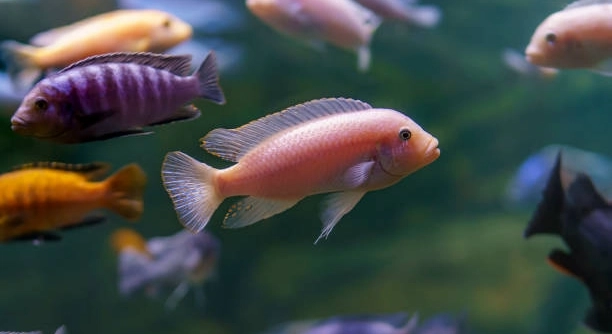
Cichlids are beautiful and vibrant fish that bring life to any aquarium. Watching them thrive is rewarding, but it can be frustrating when they refuse to eat the pellets meant to sustain them properly.
There are several reasons why cichlids may reject pellet food, including stress, poor water conditions, inappropriate pellet size, nutritional preferences, health issues, recent dietary changes, and environmental disturbances that impact their feeding behavior consistently.
Understanding these factors can help you address feeding problems and ensure your cichlid stays healthy and well-nourished in its aquatic environment.
Stress and Its Impact on Feeding
Cichlids are sensitive to changes in their environment. Sudden movements, new tank mates, or even rearranged decorations can make them nervous. When stressed, their appetite often decreases, and they may ignore pellets entirely. Observing their behavior closely can reveal signs of stress, such as hiding, rapid gill movement, or erratic swimming patterns. Maintaining a calm and stable environment helps reduce anxiety. Consistent lighting, minimal disturbances, and gradual introductions of new fish can improve their comfort level. Stress can also result from poor water quality or fluctuating temperatures. Regular water testing and maintenance are essential to ensure optimal conditions. Providing adequate hiding spaces and familiar surroundings encourages cichlids to feel secure. Over time, once stress is reduced, they are more likely to resume eating pellets regularly. Monitoring feeding patterns helps identify stress triggers and adjust the tank environment accordingly.
Reducing stress in the tank directly improves appetite. Calm, stable surroundings lead to healthier feeding habits.
Keeping stress low requires patience and consistent care. Gradual changes, stable water conditions, and attention to behavior ensure cichlids feel safe and eat properly.
Water Quality and Temperature
Poor water quality or sudden temperature changes can cause cichlids to stop eating pellets. Even minor imbalances in pH, ammonia, nitrite, or nitrate levels affect their digestion and energy levels. Filtration, regular water changes, and careful monitoring of water parameters are essential. Sudden temperature drops or increases can shock their system, making them reluctant to feed. A stable temperature suited to the specific species promotes appetite and overall health. Inconsistent water conditions can also weaken the immune system, increasing susceptibility to disease. Testing kits are useful for keeping track of water chemistry, and small, frequent adjustments prevent stress. Introducing new water slowly prevents sudden changes that might scare the fish. Observing behavior during water changes ensures they are not overly disturbed. Clean gravel and proper tank maintenance reduce harmful bacteria and toxins. Cichlids in stable, clean water are more likely to eat consistently and thrive.
Proper water conditions make a significant difference in pellet acceptance. Stable, clean, and temperature-controlled tanks encourage regular feeding and reduce health risks.
Pellet Size and Type
Pellets that are too large or hard can be difficult for cichlids to eat. Choosing the right size and texture improves feeding success.
Cichlids may reject pellets that don’t match their mouth size or natural feeding habits. Small species need tiny pellets they can easily grasp, while larger cichlids require thicker, more robust pellets. Some fish prefer sinking pellets, while others favor floating types that mimic natural prey. Experimenting with different pellet brands and types can help identify what your cichlids prefer. Observing how they interact with each type provides insight into their feeding comfort. Over time, switching to an appropriate size and type encourages consistent eating and reduces stress during feeding times. Offering a variety ensures nutritional balance and maintains their interest in pellets.
Consistency matters when adjusting pellet types. Gradual transitions between sizes or brands prevent sudden refusals and help your cichlids adapt without losing appetite. Proper selection enhances nutrition and overall feeding behavior.
Health Issues
Illness or parasites can make cichlids avoid pellets. Monitoring for physical changes and unusual behavior helps identify problems early.
Cichlids affected by infections, parasites, or internal issues often stop eating. Symptoms like lethargy, faded colors, swollen bellies, or rapid gill movement indicate potential health problems. Treating illnesses promptly is crucial to restore appetite and prevent worsening conditions. Quarantining sick fish helps stop disease spread. Feeding softer or medicated pellets may assist in recovery, making it easier for the fish to eat while receiving necessary nutrients. Regular observation allows early detection and faster intervention.
Maintaining proper tank hygiene and balanced nutrition supports immune function. Routine checks, timely treatment, and careful monitoring ensure cichlids regain appetite and remain healthy, preventing long-term feeding disruptions.
Recent Dietary Changes
Sudden changes in diet can make cichlids hesitant to eat pellets. Gradually introducing new food helps them adjust without stress.
Mixing old and new food over several days encourages acceptance. Abrupt changes can cause refusal and digestive issues, so patience is important.
Environmental Disturbances
Loud noises, vibrations, or frequent activity near the tank can make cichlids nervous. A calm environment promotes feeding.
Nutritional Preferences
Cichlids may prefer live or frozen food over pellets. Providing variety ensures they receive balanced nutrition while maintaining interest in feeding.
Overcrowding
Too many fish in the tank can create competition and stress, reducing pellet consumption. Proper stocking levels improve feeding behavior.
Why won’t my cichlid eat pellets at all?
Cichlids may refuse pellets due to stress, water quality issues, or sudden changes in diet. Observing their behavior and tank environment helps identify the cause. Adjusting temperature, stabilizing pH, and introducing pellets gradually often encourages them to start eating again.
Can stress really stop cichlids from eating?
Yes, stress significantly affects appetite. New tank mates, loud noises, or frequent rearrangements can make cichlids hide and avoid food. Providing hiding spots, stable water conditions, and minimal disturbances allows them to feel safe and return to normal feeding patterns over time.
Does pellet size matter for cichlids?
Absolutely. Large pellets can be difficult for smaller cichlids, while overly soft pellets may not hold together in the water. Matching pellet size to the fish’s mouth size and natural feeding behavior improves acceptance. Floating or sinking pellets should align with species preferences.
Could my cichlid be sick if it ignores pellets?
Illness or parasites often reduce appetite. Symptoms include faded colors, lethargy, or bloated bellies. Quarantining affected fish and providing medicated or soft foods helps recovery. Maintaining water quality prevents further infections and encourages cichlids to resume eating.
How should I introduce new pellets?
Mix old food with new pellets gradually over several days. Start with a small portion of the new pellets and slowly increase it. Sudden changes can confuse cichlids and lead to refusal. Consistency in feeding times also supports adaptation.
Can water temperature affect pellet consumption?
Yes, even small fluctuations can reduce appetite. Cichlids need stable, species-specific temperatures to maintain energy and digestion. Use a heater or thermometer to monitor the tank and prevent stress that can cause refusal of pellets.
Do cichlids prefer live or frozen food over pellets?
Many cichlids enjoy live or frozen foods because they resemble natural prey. Offering occasional live food can stimulate appetite, but pellets remain essential for balanced nutrition. A mix of both keeps feeding varied while meeting dietary needs.
Will overcrowding cause my cichlids to ignore pellets?
Yes, too many fish create competition and stress, which can prevent some cichlids from eating. Proper stocking levels, hiding spots, and distributing food evenly reduces stress and ensures all fish have access to pellets.
Is water quality a common reason for pellet refusal?
Poor water quality is a major factor. High ammonia, nitrite, or nitrate levels make fish uncomfortable and reduce feeding. Regular testing, water changes, and proper filtration maintain optimal conditions and support healthy eating habits.
How long should I wait before trying different pellets?
Give cichlids a few days to adjust to a new pellet type. Gradual introduction and careful observation prevent wasted food and reduce feeding stress. If they still refuse, try alternative textures, sizes, or brands suited to their species.
Can stress from tank rearrangements affect pellet intake?
Yes, moving decorations or adding new fish can make cichlids hide or ignore food. Keep changes minimal and gradual, providing familiar hiding spaces to maintain comfort and encourage regular pellet consumption.
Are there signs that pellets are unhealthy or unappealing?
Yes, pellets that are discolored, broken, or expired may be rejected. Ensure food is fresh, stored properly, and appropriate for your cichlid species to maintain interest and proper nutrition.
Should I feed at specific times to encourage pellet eating?
Consistent feeding schedules help cichlids anticipate meals and build appetite. Feeding the same time daily reduces stress, improves digestion, and increases the likelihood that pellets will be accepted without resistance.
Can mixing pellets with other foods help?
Yes, combining pellets with small amounts of live or frozen food can entice cichlids to try the pellets. Over time, gradually reduce supplemental food to encourage reliance on pellets for balanced nutrition.
Do cichlids ever stop eating pellets permanently?
Most cichlids can be encouraged to eat pellets with patience, proper water conditions, and gradual dietary changes. Permanent refusal is rare unless health issues or chronic stress persist, in which case veterinary advice may be needed.
How do I know if my cichlid is eating enough pellets?
Monitor feeding behavior and growth. Healthy cichlids will actively search for food, maintain vibrant coloration, and show steady growth. If pellets are consistently ignored, adjust type, size, or feeding routine while observing overall health.
Is it normal for cichlids to eat sporadically?
Yes, occasional variability in appetite is normal. Minor changes in water temperature, tank activity, or mood can temporarily affect eating. Persistent refusal, however, usually indicates an underlying issue that needs attention.
Can introducing hiding spots improve pellet consumption?
Yes, providing caves, plants, or decorations allows cichlids to feel secure. Safe spaces reduce stress, making them more willing to leave hiding and accept pellets during feeding times.
Do cichlids ever eat too many pellets?
Overfeeding can cause bloating, digestive issues, and water quality problems. Feeding small, controlled portions ensures they consume adequate nutrition without excess, supporting overall health and pellet acceptance.
Will adding variety prevent refusal?
Offering different pellet types, textures, and occasional live food keeps feeding interesting. Variety stimulates appetite while ensuring balanced nutrition, reducing the risk of total pellet rejection.
How long should I monitor after changing pellets or environment?
Observe behavior for several days after any change. Adjust slowly and watch for signs of stress, illness, or refusal. Early detection of issues helps restore appetite quickly and maintains feeding consistency.
Caring for cichlids can be very rewarding, but it requires attention and patience, especially when it comes to feeding. Pellet refusal is a common problem, and it often signals that something in the tank or the fish’s routine needs adjustment. Stress, water quality, pellet size, and dietary changes are all factors that influence whether cichlids eat consistently. Observing your fish closely and noting their behavior is essential. When a cichlid ignores pellets, it is not simply being difficult; it is communicating discomfort, preference, or a health issue. By addressing these factors carefully, you can create a stable environment where the fish feel secure and more willing to eat. Understanding their needs and behavior ensures that feeding times are less stressful and more successful.
Maintaining proper water quality is one of the most important steps to encourage pellet consumption. Cichlids are sensitive to changes in temperature, pH, and chemical levels. Even small fluctuations can cause stress or illness, leading to refusal of food. Regular testing, proper filtration, and consistent water changes help create conditions that support healthy feeding behavior. Similarly, the type and size of pellets play a key role. Matching the pellet size to the species’ mouth and providing a texture they can handle ensures they can eat comfortably. In addition, gradually introducing new pellets or mixing them with familiar foods helps cichlids accept them without confusion or stress. Being mindful of these elements improves not only feeding but overall health and vitality.
Health issues can also affect pellet intake. Illness, parasites, or weakened immunity often cause a loss of appetite. Early detection and treatment are crucial to prevent long-term problems. Providing hiding spaces, maintaining a calm environment, and ensuring balanced nutrition all contribute to a positive feeding experience. Overcrowding, excessive noise, or sudden changes in the tank can also disrupt feeding habits, so it is important to observe social dynamics and environmental conditions. Offering a variety of foods while keeping pellets as a staple ensures cichlids receive the nutrients they need. By being patient, consistent, and attentive, you can help your cichlids resume normal feeding habits, enjoy their meals, and maintain good health. A thoughtful approach to care and feeding ultimately creates a stable, healthy aquarium where cichlids thrive.

Hello,
If you enjoy the content that we create, please consider saying a "Thank You!" by leaving a tip.
Every little bit helps us continue crafting quality advice that supports the health, happiness, and well-being of pets around the world, for pets of all shapes, sizes, and species.
We really appreciate the kindness and support that you show us!