
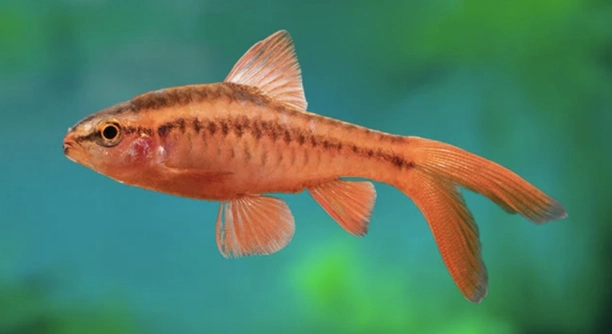
Keeping your cherry barb tank stable is essential for maintaining a healthy environment for your fish. When things aren’t right, your tank may show signs of imbalance. Understanding the reasons behind these issues is key to solving them.
Several factors contribute to an unstable cherry barb tank. Common causes include improper water conditions, incorrect tank mates, inadequate filtration, and poor water maintenance. These elements can create stress, affecting both the tank’s health and the fish.
Addressing these issues will help restore stability in your tank, leading to happier fish and a healthier aquarium environment.
Improper Water Conditions
The water conditions in your cherry barb tank are crucial for maintaining stability. Cherry barbs thrive in specific water parameters, such as temperature, pH, and hardness. When these levels aren’t in the optimal range, stress increases, leading to health problems. Poor water quality can also promote the growth of harmful bacteria and algae, further destabilizing the environment. If you notice your fish acting sluggish or swimming erratically, it could be due to poor water conditions. Regular testing of the water using an aquarium kit will help ensure the parameters are on track.
To maintain stability, always adjust the temperature and pH to suit your cherry barbs’ needs. They prefer slightly acidic water with a pH between 6.5 and 7.5, and a temperature range of 72°F to 80°F. Keep a consistent schedule of water changes to avoid fluctuations in water quality. Doing so will help avoid stressing the fish and prevent disease outbreaks.
Maintaining good water conditions is not just about testing the water but also making sure you act on any irregular readings. Keep up with regular water changes and monitor the tank’s temperature to avoid any sudden shifts that might affect your cherry barbs.
Incorrect Tank Mates
Your cherry barb tank’s stability can also be impacted by the other fish living there. While cherry barbs are peaceful, they may not thrive when housed with overly aggressive or overly large fish. These types of tank mates can cause stress, disrupting the peaceful environment that your cherry barbs need.
When selecting tank mates, opt for small, peaceful species that won’t compete with your cherry barbs for food or territory. It’s best to avoid large or predatory fish that could intimidate or harm them. Tank mates like tetras, corydoras, or peaceful gouramis are great choices. Always research the compatibility of each fish species before adding them to the tank.
If you notice your cherry barbs acting more stressed or hiding more often, their tank mates may be the issue. Removing aggressive or incompatible fish could lead to a happier and more stable environment for your cherry barbs.
Inadequate Filtration
A weak or insufficient filtration system can severely impact the stability of your cherry barb tank. Poor filtration allows waste to build up, which causes a rise in toxins like ammonia and nitrites, leading to poor water quality.
Choose a filter that matches the size of your tank and suits the needs of your fish. A good filtration system helps remove debris, excess food, and harmful substances from the water, maintaining a clean environment for your fish. In addition to using a quality filter, make sure to clean it regularly and replace filter media as needed.
The filter should circulate the water effectively and ensure proper oxygenation. Inadequate filtration can also cause dead spots in the tank where water doesn’t flow properly. These stagnant areas may become breeding grounds for harmful bacteria, putting your cherry barbs at risk.
Overfeeding
Overfeeding is a common mistake that leads to an unstable tank environment. Excess food can rot in the tank, degrading water quality and encouraging algae growth. It also causes fish to overeat, leading to health problems.
To avoid overfeeding, only provide the amount of food your cherry barbs can consume within a few minutes. It’s better to feed smaller portions more often than to give too much at once. Remove any uneaten food after a few hours to prevent it from decomposing.
Feeding your fish properly not only helps keep the tank stable but also supports their overall health. Overfeeding may seem harmless, but it can quickly lead to water imbalances. Keep a close eye on the amount of food you’re offering, and be consistent in your feeding schedule.
Poor Water Maintenance
Neglecting regular water maintenance can quickly destabilize your cherry barb tank. Failure to clean the tank, replace old water, or remove debris can lead to harmful waste accumulation. This, in turn, harms the water quality and your fish’s health.
Regular water changes are essential to maintaining a stable environment. Aim to replace 10-15% of the water every week. Keep up with cleaning decorations, substrate, and the tank glass as well. This prevents harmful substances from building up and ensures your fish can live in a healthy, balanced environment.
Overstocking
Overcrowding the tank can cause serious stress for your cherry barbs. Too many fish in a small space can lead to poor water circulation, increased waste, and constant competition for food.
Keeping the right number of fish for your tank’s size is essential for stability. The general rule is one inch of fish per gallon of water, but always consider the adult size of the fish. Overstocking can also lead to territorial disputes and high stress, which lowers the overall stability of the tank.
Fluctuating Temperature
Temperature swings can destabilize your cherry barb tank. Sudden changes in water temperature stress fish, affecting their immune system and overall health. A heater with a thermostat is necessary to keep the temperature consistent.
Keep the water temperature between 72°F and 80°F to mimic the cherry barb’s natural habitat. It’s essential to monitor the temperature regularly and ensure the heater maintains a steady, optimal range.
FAQ
What is the ideal water temperature for cherry barbs?
The ideal water temperature for cherry barbs ranges from 72°F to 80°F. They prefer stable, warm water that mimics their natural habitat in Southeast Asia. A reliable heater is essential to maintain the correct temperature and prevent any sudden fluctuations that could stress your fish.
How often should I change the water in my cherry barb tank?
You should change 10-15% of the water in your cherry barb tank weekly. Regular water changes help maintain good water quality and remove excess waste. It’s important not to change all the water at once, as this can disrupt the tank’s balance.
Can cherry barbs live with other species?
Yes, cherry barbs are peaceful and can live with other small, non-aggressive species. Ideal tank mates include tetras, corydoras, and small gouramis. Avoid larger or more aggressive species that could stress your cherry barbs or take their food.
How do I know if my cherry barbs are stressed?
Signs of stress in cherry barbs include erratic swimming, loss of color, hiding more than usual, and rubbing against objects. Stress can also cause loss of appetite or unusual breathing patterns. If you notice any of these signs, check the water quality, tank mates, and other environmental factors.
What should I feed cherry barbs?
Cherry barbs are omnivores and do well with a varied diet of high-quality flake food, small pellets, and occasional live or frozen food like brine shrimp or daphnia. Be sure to feed them in small amounts that they can consume within a few minutes to prevent overfeeding and water quality issues.
How many cherry barbs should I keep together?
Cherry barbs are social fish and should be kept in groups of at least five to six. This helps reduce stress and allows them to display their natural behaviors. Keeping them in small groups also improves their overall well-being and reduces aggression.
Why is my cherry barb’s color fading?
Color fading in cherry barbs can be caused by stress, poor water conditions, or a poor diet. Ensure the water quality is ideal, and the fish are not overcrowded. Providing a balanced diet with enough nutrients will also help your cherry barbs maintain their vibrant colors.
Can cherry barbs breed in a community tank?
Yes, cherry barbs can breed in a community tank, though it’s best to set up a separate breeding tank to increase the chances of successful spawning. To breed, provide plants for the fish to lay eggs in and keep the water parameters stable, with slightly acidic water and a temperature around 78°F.
What should I do if my cherry barbs are showing signs of illness?
If your cherry barbs show signs of illness, first check the water quality. Poor water conditions are often the main cause of illness. If the water is fine, observe their behavior closely to spot any visible symptoms such as bloating, cloudy eyes, or white spots. You may need to quarantine sick fish and treat them accordingly.
Can I use tap water for my cherry barb tank?
You can use tap water, but it’s essential to treat it with a dechlorinator to remove harmful chlorine or chloramine. You may also need to adjust the pH or hardness of the tap water to suit the needs of your cherry barbs. Always test the water before adding it to the tank.
How do I prevent algae growth in my cherry barb tank?
To prevent algae growth, avoid overfeeding and ensure proper filtration. Regularly clean the tank, including decorations, substrate, and plants. You can also add algae-eating fish or snails, such as Amano shrimp or nerite snails, to help keep the algae in check.
Are cherry barbs hardy fish?
Yes, cherry barbs are considered hardy and adaptable, making them suitable for beginners. However, they still require stable water conditions and appropriate tank mates to thrive. If the environment is too stressful or unstable, even hardy fish can become sick or stressed.
Why do my cherry barbs fight?
Cherry barbs are generally peaceful, but males may become territorial during breeding or if there’s not enough space. Keeping them in groups of five or more can help reduce aggression. If fighting persists, ensure the tank is large enough and that there are no aggressive tank mates.
How long do cherry barbs live?
Cherry barbs typically live for 3 to 5 years, but with proper care, some may live even longer. Providing stable water conditions, a good diet, and appropriate tank mates will help extend their lifespan. Regular tank maintenance is also crucial for ensuring their long-term health.
Can cherry barbs live with shrimp?
Yes, cherry barbs can live with shrimp, but it depends on the shrimp species. Small, peaceful shrimp like cherry shrimp or Amano shrimp generally get along well with cherry barbs. Avoid keeping them with larger or more aggressive shrimp that may be at risk of being eaten.
Do cherry barbs need a lot of space?
Cherry barbs don’t require an excessive amount of space, but they should be kept in a tank of at least 20 gallons, especially if you plan to keep a group. A larger tank provides better water stability and more swimming space for your fish.
Final Thoughts
Maintaining a stable cherry barb tank involves paying attention to several factors. Regular water changes, proper tank size, and suitable tank mates are all essential for creating an environment where your fish can thrive. By understanding their basic needs, you can easily avoid common mistakes that lead to instability. Ensuring proper filtration and a consistent water temperature will help maintain the overall health of the tank. If you notice signs of stress or illness, it’s important to act quickly and check water quality or other possible causes.
Cherry barbs are relatively hardy, but they still need the right conditions to stay healthy and active. By keeping their water clean, feeding them a balanced diet, and providing enough space for them to swim freely, you’ll give them the best chance at living a long and happy life. Keeping a consistent eye on water parameters and addressing any issues promptly can prevent problems before they get worse. Don’t forget that a stress-free environment is key to a thriving tank.
Overall, the stability of your cherry barb tank depends on your ability to monitor and adjust various factors like water quality, temperature, and stocking levels. With a little effort and attention, your cherry barbs will enjoy a healthy, stable environment. The more you learn about their needs, the easier it becomes to avoid common mistakes and keep your fish happy. By taking the time to understand and care for them, you ensure that your tank remains balanced and that your fish continue to flourish.

Hello,
If you enjoy the content that we create, please consider saying a "Thank You!" by leaving a tip.
Every little bit helps us continue crafting quality advice that supports the health, happiness, and well-being of pets around the world, for pets of all shapes, sizes, and species.
We really appreciate the kindness and support that you show us!