
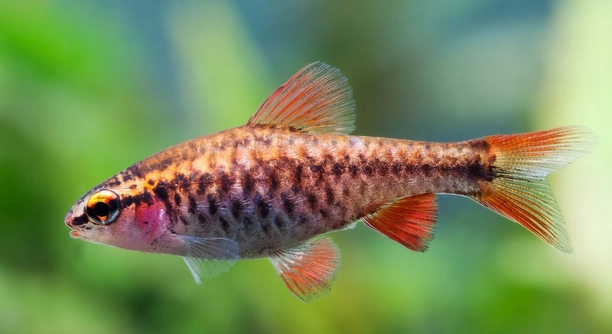
Cherry barbs are a popular choice for many fish owners, thanks to their colorful appearance and peaceful nature. However, some owners may notice their cherry barb isn’t growing as expected. If this sounds familiar, you’re not alone.
The main reasons your cherry barb isn’t growing may be related to water quality, diet, stress, or tank size. Ensuring proper conditions, nutrition, and a stress-free environment are key to promoting healthy growth in these fish.
There are several factors that can be affecting their growth. Learning more about these issues will help you keep your cherry barb healthy and thriving in your tank.
Poor Water Quality
One of the most common reasons your cherry barb isn’t growing well is poor water quality. These fish thrive in clean, well-maintained water, and any imbalance in the water parameters can stunt their growth. Cherry barbs prefer slightly acidic to neutral water with a temperature range of 72-79°F. If the pH, ammonia, nitrite, or nitrate levels are off, your fish may not develop properly.
Regular water changes and a good filtration system are essential for maintaining the right environment. Overcrowding your tank can also impact the water quality and contribute to stunted growth.
To keep the water in optimal condition, test it frequently and adjust accordingly. Using a reliable water conditioner and performing weekly water changes will help ensure your cherry barbs grow to their full potential. A stable, clean environment is one of the best ways to support their health and growth.
Inadequate Diet
The diet you provide for your cherry barbs plays a huge role in their growth.
Cherry barbs require a balanced diet with both plant-based and protein-rich foods to develop properly. Offering them flakes, pellets, and occasional live or frozen food like daphnia or brine shrimp can provide all the necessary nutrients. Without a varied diet, they may lack essential vitamins and minerals.
When you stick to a healthy and well-rounded feeding routine, your cherry barbs are much more likely to grow quickly and stay healthy. Avoid overfeeding, as this can lead to water quality issues. A proper diet will help them thrive in the long run.
Stress and Aggression
Stress is another factor that can affect your cherry barb’s growth. Cherry barbs are peaceful and prefer a calm environment. If they’re constantly harassed by tank mates or exposed to sudden changes, it can slow their growth.
Aggressive tank mates or overcrowding are common stressors. Cherry barbs do best with peaceful companions like tetras or rasboras. If you notice any signs of stress, such as hiding or reduced appetite, it’s a good idea to separate them from aggressive fish. This helps them feel secure and comfortable, which encourages growth.
Maintaining a peaceful, low-stress tank environment can greatly improve the chances of your cherry barb growing to its full potential. When these fish feel safe, they’re much more likely to feed properly and stay healthy, which results in faster growth. Monitoring the behavior of your fish is key to keeping stress levels in check.
Tank Size and Space
Having enough space is crucial for your cherry barbs to grow. A cramped tank will limit their movement and stunt their development.
While cherry barbs are small, they still need adequate swimming space to thrive. A minimum of 20 gallons is recommended for a small group of cherry barbs. If your tank is too small, the fish will struggle to grow. A larger tank with plenty of room for swimming and hiding will help them feel comfortable and promote healthy growth.
The amount of space available affects their activity levels and overall health. A tank that’s too crowded can lead to higher stress levels, which may prevent them from growing properly. Consider upgrading your tank if your cherry barbs seem cramped. More space often leads to a healthier, happier fish.
Water Temperature
Water temperature affects your cherry barb’s metabolism and growth rate. If the water is too cold or too hot, it can slow their growth or cause health issues.
Cherry barbs thrive in temperatures between 72-79°F. Keeping the tank at this range helps ensure your fish stay active and healthy. If the water is too cold, they may become lethargic, and if it’s too hot, it could stress them.
A reliable aquarium heater will help maintain the correct temperature. This allows your cherry barbs to grow and develop as they should, preventing growth delays caused by temperature fluctuations.
Poor Lighting
Insufficient lighting can impact your cherry barb’s health and growth.
Providing proper lighting helps stimulate natural behaviors and encourages your fish to stay active. Cherry barbs need a consistent light cycle to regulate their internal rhythms. Too little light can make them inactive, affecting their overall health and growth.
Overfeeding
Overfeeding can lead to several issues, including poor water quality and sluggish growth.
Feeding your cherry barbs too much food can cause uneaten food to decay, which will pollute the tank. Additionally, it may lead to obesity or digestive problems, hindering proper growth. To avoid this, only feed what they can eat in a few minutes, and remove any excess food immediately.
FAQ
Why isn’t my cherry barb growing as fast as other fish?
If your cherry barb isn’t growing as quickly as expected, it may be due to several factors such as poor water quality, an improper diet, or stress. Ensure that your water conditions are ideal for cherry barbs, with stable temperatures, appropriate pH levels, and low ammonia or nitrate readings. Also, a varied diet with protein-rich foods like live or frozen brine shrimp or daphnia will encourage faster growth. Stress from tank mates or an overcrowded tank could also hinder growth, so check the environment to make sure it’s peaceful and spacious.
What size tank do cherry barbs need to grow properly?
Cherry barbs need at least 20 gallons of water for a small group of them to thrive. While they are small fish, they need room to swim freely and maintain a comfortable territory. A cramped tank can lead to stress, which can stunt their growth. Providing ample space will reduce competition for resources and encourage healthy development.
How often should I feed my cherry barb to ensure proper growth?
Feed your cherry barb small amounts two to three times a day, offering only what they can eat in a few minutes. Overfeeding can lead to uneaten food decaying in the tank, which negatively impacts water quality. Stick to a balanced diet with flakes, pellets, and occasional live or frozen foods. Consistency is key to promoting healthy growth.
What is the ideal temperature for cherry barbs to grow?
Cherry barbs thrive in a temperature range of 72-79°F. Temperatures outside this range can stress the fish, either slowing down their metabolism in cooler water or causing stress and even illness in water that’s too hot. A stable, appropriate temperature is essential for their growth.
Can cherry barbs grow in hard water?
Cherry barbs can adapt to a variety of water conditions, but they generally do best in slightly soft to moderately hard water with a pH of 6.5 to 7.5. If the water hardness is too high, it may affect their overall health and growth, especially if the pH fluctuates frequently. Regular water testing and adjustments can help maintain ideal conditions for your fish.
Is it normal for cherry barbs to stop eating?
If your cherry barb suddenly stops eating, it could be a sign of stress, illness, or an improper environment. Check the water quality, temperature, and tank mates. Overcrowding or aggressive fish can cause stress, leading to loss of appetite. Also, make sure the food offered is appropriate for them. If the problem persists, consult with an aquarium specialist to rule out health issues.
How do I know if my cherry barb is healthy?
A healthy cherry barb is active, swims freely, and displays bright coloration. They should have a healthy appetite and engage with their environment. If you notice any abnormal behavior such as lethargy, faded color, or difficulty swimming, this may be an indication of stress or illness. Regularly monitor their condition and check for any changes that might suggest a problem.
Can cherry barbs live with other species?
Yes, cherry barbs are peaceful fish and can live harmoniously with other peaceful species. Tetras, rasboras, and small peaceful catfish are good tank mates. Avoid keeping them with larger or aggressive fish that may bully or stress them, as this can negatively impact their growth and overall well-being.
Should I add plants to my cherry barb tank?
Adding live plants to a cherry barb tank can be beneficial. Plants help improve water quality by absorbing excess nutrients, and they provide hiding spots that can reduce stress. Cherry barbs enjoy swimming among plants, which mimics their natural habitat. Just ensure that the plants are compatible with the water conditions and do not overcrowd the tank.
Do cherry barbs grow faster in schools?
Cherry barbs are social fish and will thrive better in groups of at least 5-6 individuals. A small school of cherry barbs will feel more secure, reducing stress and promoting better overall health, which can lead to faster growth. They are more likely to eat regularly and engage in natural behaviors when surrounded by their own kind.
Can cherry barbs breed in a home aquarium?
Yes, cherry barbs can breed in a home aquarium. To encourage breeding, ensure the water temperature is around 78-80°F, and provide plenty of plants and hiding places. The female will lay eggs, and the male will fertilize them. After spawning, it’s a good idea to remove the adult fish to prevent them from eating the eggs. Fry are usually tiny and require special care, including infusoria or finely crushed food to grow properly.
How can I tell if my cherry barb is male or female?
Male cherry barbs tend to be more brightly colored, especially during the breeding season, with vibrant red hues on their bodies. Females are usually larger and more subdued in color, typically pale with a more rounded body shape. During spawning, males may display more intense coloration to attract females.
Final Thoughts
Taking care of your cherry barb involves understanding the various factors that influence their growth. From water quality and temperature to diet and tank size, each aspect plays a role in helping your fish grow properly. If you’re noticing slower growth, it’s important to check each of these areas to ensure they are in the right conditions. Small changes, like adjusting water parameters or improving the tank environment, can make a big difference in the health and growth of your cherry barbs.
In addition to the physical environment, stress is a major factor that can impact your cherry barb’s growth. These fish are peaceful by nature, and they thrive in calm, stable surroundings. Overcrowded tanks or aggressive tank mates can lead to stress, affecting their appetite and overall health. By providing a peaceful, stress-free environment, your cherry barbs will have a better chance at growing to their full potential. Ensuring they have enough space, suitable companions, and a routine they feel comfortable with is crucial for their development.
Overall, taking a closer look at your fish’s environment and care routine will help you spot any potential issues early. Ensuring good water quality, providing a varied diet, and reducing stress are all essential for fostering healthy growth. When your cherry barbs are well taken care of, you’ll notice that they grow stronger, more vibrant, and happier in their tank. By maintaining a balanced and mindful approach to their care, you can ensure they live a long and healthy life in your aquarium.

Hello,
If you enjoy the content that we create, please consider saying a "Thank You!" by leaving a tip.
Every little bit helps us continue crafting quality advice that supports the health, happiness, and well-being of pets around the world, for pets of all shapes, sizes, and species.
We really appreciate the kindness and support that you show us!