
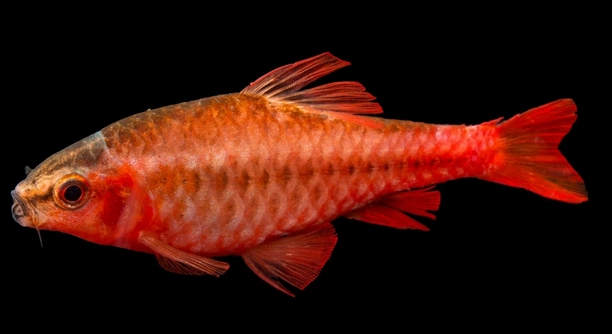
If you’ve noticed your cherry barb breathing fast, you may be wondering what’s causing it. There are several factors that could be at play, and understanding them can help you keep your fish healthy and comfortable.
Fast breathing in cherry barbs can result from poor water conditions, temperature fluctuations, stress, or even disease. The simplest way to determine the cause is to check water quality, temperature, and overall tank conditions.
By identifying these key factors, you can take steps to improve your cherry barb’s environment. Understanding these reasons will help you create a better habitat and prevent further issues for your fish.
Poor Water Quality
Cherry barbs are sensitive to water conditions, and poor water quality is often the main reason for fast breathing. High levels of ammonia, nitrites, or nitrates in the water can stress your fish. When the water is dirty, it can cause respiratory issues, leading to rapid gill movement. Regular water changes and proper filtration can prevent this problem. If you notice your fish breathing fast, test the water and make sure the levels are within safe limits.
Regular water testing is crucial for maintaining a healthy environment for your cherry barbs. If the ammonia or nitrite levels are high, perform a water change immediately. You should also clean the tank regularly and monitor the pH level to ensure it stays stable.
Clean water is vital for all fish species, and cherry barbs are no exception. Keeping your tank water fresh and balanced will help prevent stress and keep your fish healthy. If you follow a consistent water care routine, your fish will thrive and show fewer signs of breathing problems.
Temperature Fluctuations
Changes in water temperature can affect your cherry barb’s breathing. Rapid or extreme shifts can cause stress, making your fish breathe faster. This is especially common if you’re moving your fish to a new tank or if there’s a heater malfunction.
The ideal temperature for cherry barbs is between 74°F and 79°F (23°C to 26°C). If the water gets too cold or too warm, it can affect their ability to breathe normally. If you notice your fish is swimming quickly or has labored breathing, check the tank’s temperature immediately.
Use a reliable aquarium thermometer to keep track of the temperature in the tank. Avoid placing your aquarium near windows or heat sources that can cause temperature fluctuations. A stable environment helps your cherry barbs stay calm and breathe at a normal rate.
Stress and Overcrowding
Stress from overcrowding can cause your cherry barb to breathe faster. When too many fish are in a tank, the water quality suffers, and fish feel cramped. Cherry barbs need space to swim comfortably, and stress can result in rapid breathing.
If you have too many fish in a small tank, consider upgrading to a larger tank or reducing the number of fish. Stressful conditions, like limited swimming room, can trigger faster gill movement and even affect the fish’s overall health. A calm and spacious environment is essential for the well-being of cherry barbs.
To prevent overcrowding, aim for a tank size of at least 20 gallons for a small group of cherry barbs. You should also ensure your tank has proper filtration to maintain good water quality. If your fish are visibly stressed, take action immediately by adjusting their environment. A less stressful setup will keep your fish calm, helping them breathe more easily and stay healthy.
Disease and Infection
Infections and diseases can cause rapid breathing in cherry barbs. If a fish is ill, it may struggle to get enough oxygen, leading to faster breathing. Look for other signs like lethargy, spots, or faded colors.
Common illnesses that affect cherry barbs include gill flukes, fungal infections, and bacterial diseases. These conditions can make it difficult for your fish to breathe normally. If you suspect your fish is sick, it’s important to isolate them and treat the condition. Using aquarium salt or medications may help, depending on the illness.
For the health of your cherry barbs, it’s important to quarantine any new fish before introducing them to the main tank. This will help prevent the spread of disease. Additionally, maintain good tank hygiene and avoid overfeeding, which can promote bacterial growth. Regular monitoring for signs of illness will ensure your fish stay healthy and breathe normally.
Poor Oxygen Levels
Low oxygen levels in the tank can cause your cherry barb to breathe faster. If the water is stagnant or the filtration system is not working properly, oxygen becomes scarce, leading to faster gill movement.
Ensure proper water circulation to maintain oxygen levels in your tank. A good filter or air stone will help keep the water oxygenated. If the fish are struggling to breathe, check the water’s oxygen levels and adjust as necessary. Adding live plants can also help improve oxygen exchange, creating a healthier environment for your fish.
Tank Maintenance
Tank maintenance plays a key role in keeping your cherry barbs healthy. Regular cleaning and water changes will ensure that the environment remains safe and stable for your fish. Dirty water can quickly lead to issues like poor oxygen levels or high ammonia, both of which affect breathing.
When performing tank maintenance, make sure to clean the filter, remove debris, and change a portion of the water regularly. This will not only help maintain oxygen levels but also prevent the buildup of harmful chemicals that can stress your fish. Keeping the tank clean is crucial for long-term fish health.
Tankmates and Aggression
Aggressive tankmates can make your cherry barb breathe faster due to stress. If there are more dominant or territorial fish in the tank, it can lead to tension. Fast breathing may be a sign that your cherry barb feels threatened.
Choosing peaceful tankmates that don’t provoke aggression will help keep your cherry barb calm and healthy. Avoid species that are known for being overly aggressive, and always make sure there is enough space in the tank for everyone to have their own territory. Stress-free fish breathe easier and live longer.
FAQ
Why is my cherry barb breathing fast?
Cherry barbs breathe fast for a variety of reasons, including poor water quality, temperature fluctuations, stress, disease, and low oxygen levels. Fast breathing is usually a sign of discomfort or poor health. It’s important to check the water parameters like ammonia, nitrites, and nitrates. Ensure that the tank temperature is stable and not too high or low. Also, check for signs of stress, disease, or overcrowding, which can contribute to rapid breathing. Regular maintenance of your tank is essential to keep your fish healthy and prevent these issues.
How can I improve water quality for my cherry barb?
To improve water quality, perform regular water changes (about 25-30% of the tank volume every week). Test the water frequently to check for harmful substances like ammonia, nitrites, or nitrates. Make sure your filter is working well and clean it regularly. Avoid overfeeding, as uneaten food can deteriorate water quality. Use a gravel vacuum to clean the substrate and remove any organic debris that could affect the water. Adding live plants can also help maintain water quality by absorbing excess nutrients.
What temperature is best for cherry barbs?
The ideal temperature for cherry barbs is between 74°F and 79°F (23°C to 26°C). Temperatures outside this range can cause stress, leading to rapid breathing and other health problems. Sudden temperature fluctuations can be particularly harmful, so it’s important to ensure your aquarium heater is working properly. Consistent temperatures help reduce stress and maintain a stable environment for your fish.
Can overcrowding cause my cherry barb to breathe fast?
Yes, overcrowding can lead to fast breathing in cherry barbs. When there are too many fish in a tank, the water quality can quickly deteriorate, leading to higher levels of ammonia and nitrates, which stress the fish. Overcrowding also reduces the available swimming space, causing your fish to feel cramped and anxious. It’s important to provide enough space for each fish to swim comfortably and to maintain proper filtration to keep the water clean.
How do I prevent my cherry barb from getting sick?
To prevent illness in cherry barbs, maintain excellent water quality by performing regular water changes and testing the water parameters. Quarantine new fish before introducing them to the tank to avoid introducing diseases. Avoid overcrowding and provide enough space for each fish. Ensure that your fish are well-fed with a balanced diet and do not overfeed. Also, keep an eye on your fish for any signs of illness, such as changes in behavior, spots, or discoloration, and treat them promptly if necessary.
Is it normal for my cherry barb to breathe fast when stressed?
Yes, stress can cause your cherry barb to breathe faster. Fish may become stressed for several reasons, including poor water conditions, overcrowding, temperature fluctuations, and aggression from other tankmates. Stress increases the fish’s heart rate and respiratory rate as it tries to cope with the situation. If you notice your fish is breathing quickly, identify the stressor and address it. Reducing stress will help your fish breathe normally and stay healthy.
Can I use aquarium salt to treat my cherry barb’s breathing issues?
Aquarium salt can help treat certain conditions in fish, such as mild gill irritation or stress, but it should be used cautiously. It’s important to only use salt for specific issues like minor bacterial infections or to reduce stress from environmental changes. Always dissolve the salt in water before adding it to the tank, and follow recommended dosages. If your cherry barb’s breathing issues are caused by something more serious, such as a bacterial or parasitic infection, it’s best to consult a veterinarian or aquarium specialist for proper treatment.
How do I know if my cherry barb is sick?
Sick cherry barbs may display symptoms like rapid breathing, lethargy, loss of appetite, faded or abnormal coloring, visible sores or lesions, or unusual swimming behavior. If your fish is breathing rapidly, check for other signs of illness and inspect the water quality. It’s also important to isolate any sick fish to prevent the spread of disease. Regular monitoring and quick intervention can help treat illnesses before they become severe.
Should I isolate a cherry barb that is breathing fast?
If you suspect your cherry barb is sick or stressed, it’s a good idea to isolate it in a quarantine tank. This can help reduce stress from other fish and allow you to monitor its condition more closely. Additionally, isolating a sick fish prevents the spread of potential diseases to other tankmates. Make sure the quarantine tank has similar water conditions to the main tank to avoid further stress. During this time, you can also treat any potential illness more effectively.
What should I do if my cherry barb is not eating?
If your cherry barb is not eating, it may be a sign of stress, poor water quality, or illness. First, check the water parameters to ensure they are within the correct range. If the water is clean and the conditions are stable, consider whether your fish may be stressed or intimidated by tankmates. If the lack of appetite persists, monitor for signs of illness, such as lethargy or abnormal swimming behavior. In cases where illness is suspected, consult a professional for advice on treatment.
How often should I feed my cherry barb?
Cherry barbs should be fed small portions once or twice a day. Overfeeding can lead to poor water quality, as uneaten food decomposes and affects the tank. Offer only as much food as your fish can eat in 2-3 minutes, and remove any leftover food promptly. A balanced diet that includes high-quality pellets, flakes, and occasional live or frozen foods will keep your cherry barb healthy and prevent overfeeding.
Final Thoughts
Cherry barbs are generally hardy fish that thrive in stable and clean environments. However, when they begin breathing fast, it can signal a range of issues, such as poor water quality, stress, or disease. By understanding the common causes of rapid breathing, you can take steps to improve their health and prevent further stress. Maintaining the right water conditions, such as proper filtration, regular water changes, and stable temperature, is essential for keeping your fish comfortable and happy.
In addition to water quality, other factors like overcrowding and aggression can also contribute to fast breathing. Cherry barbs need enough space to swim freely, and overcrowding can quickly deteriorate water conditions. If your tankmates are too aggressive, it can lead to stress and rapid breathing. Providing a peaceful environment with appropriate tank size and compatible fish will reduce the chances of these problems. Regularly observing your fish can also help you spot any early signs of illness, allowing you to address issues before they become serious.
Overall, it’s important to monitor your cherry barb’s behavior and take immediate action if you notice any signs of distress. Stress and illness are often preventable with good tank maintenance, proper feeding habits, and the right environment. By making sure your fish have clean water, the right temperature, and stress-free living conditions, you’ll be able to help them breathe easier and live healthier lives. Understanding their needs and taking action when necessary can ensure your cherry barbs thrive in their aquarium for years to come.

Hello,
If you enjoy the content that we create, please consider saying a "Thank You!" by leaving a tip.
Every little bit helps us continue crafting quality advice that supports the health, happiness, and well-being of pets around the world, for pets of all shapes, sizes, and species.
We really appreciate the kindness and support that you show us!