
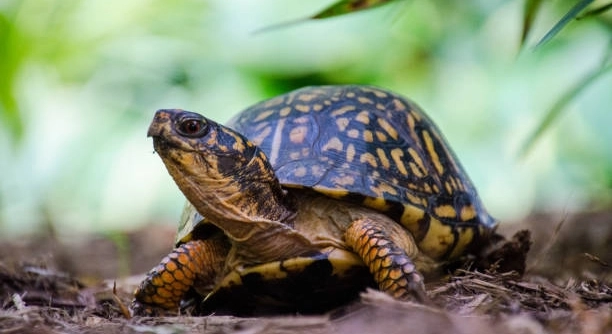
Sometimes, box turtles may refuse to bask, causing concern for their well-being. Understanding the reasons behind this behavior can help ensure they stay healthy and comfortable in their habitat. Several factors influence this decision.
The most common reasons your box turtle won’t bask are temperature imbalances, improper lighting, stress, or illness. Ensure your turtle’s enclosure is appropriately set up with the correct temperature, UVB lighting, and a calm, secure environment to encourage basking.
Addressing these factors can help restore your turtle’s natural basking habits, improving its overall health and happiness.
Temperature Imbalances
One of the primary reasons box turtles refuse to bask is improper temperature settings. Box turtles require a specific temperature gradient in their habitat to feel comfortable. If the basking area is too cold or too hot, they won’t want to bask, and it can affect their health. A proper basking spot should range from 85 to 90°F, while the cooler side of the enclosure should be around 70°F. If the temperatures are not correctly balanced, your turtle may not feel safe or motivated to bask.
It’s crucial to regularly check the temperature with a reliable thermometer to avoid such issues. Without the proper environment, your turtle might stay hidden or retreat to cooler, darker spots instead of basking.
Keeping your turtle’s habitat at the right temperatures is key to ensuring they bask regularly. This will improve their digestion, immune system, and overall health. Without a proper basking spot, they may struggle to absorb enough heat and light, leading to health problems.
Lighting Issues
A common problem box turtles face is inadequate lighting. UVB lighting is essential for their well-being as it helps them synthesize vitamin D3, which is necessary for calcium absorption. Without sufficient UVB light, your turtle may feel disoriented or stressed and avoid basking. Over time, lack of UVB exposure can cause metabolic bone disease, which can lead to deformities and weakened bones. It’s vital to replace UVB bulbs every six months, as their effectiveness diminishes over time.
Proper UVB lighting should be placed within 12 inches of the basking area. Consider using a combination of UVB and basking bulbs to provide both warmth and UVB radiation. This helps mimic the turtle’s natural environment and encourages basking.
When lighting is optimized, your turtle will naturally feel more inclined to bask, helping it maintain its health. Ensuring the right light exposure creates a more stable, comfortable environment, which can make a big difference in your turtle’s behavior.
Stress Factors
Stress can make your box turtle hesitant to bask. This can come from various sources such as loud noises, sudden movements, or overcrowding in the enclosure. Turtles are sensitive to changes in their environment, and constant stress can cause them to hide more and avoid basking.
Providing a calm, quiet space is essential for your turtle’s comfort. If there are multiple animals or frequent disturbances in the room, try relocating the tank to a quieter spot. A peaceful environment allows your turtle to relax and feel safe, which encourages basking behavior.
Turtles also benefit from having their own space. If your turtle shares the enclosure with others, make sure there’s enough room for each one to bask comfortably. Avoid placing too many items in the tank, as overcrowding can increase stress levels. A simple, well-structured habitat can promote well-being and basking.
Illness or Health Issues
Illness is another factor that can prevent your box turtle from basking. Health problems such as respiratory infections, parasites, or shell issues can cause discomfort. When sick, turtles may avoid basking to conserve energy or because they feel unwell.
If your turtle stops basking suddenly, it’s important to monitor for other signs of illness such as lethargy, loss of appetite, or abnormal behavior. Consult a reptile veterinarian for proper diagnosis and treatment if these symptoms persist. Health problems can quickly escalate, so early detection is crucial.
Providing a stress-free environment and proper care can help prevent illness. Ensure your turtle has access to a balanced diet, clean water, and the correct temperature and lighting. These factors support your turtle’s immune system and overall health, making it less likely for your pet to avoid basking due to discomfort.
Improper Habitat Setup
An incorrect habitat setup can discourage your box turtle from basking. Box turtles require specific conditions, including a proper substrate, hiding spots, and a basking platform. Without these, they may feel insecure and avoid basking.
Make sure the enclosure provides a suitable substrate for burrowing and a designated basking area with appropriate lighting. Lack of hiding spots can also make your turtle feel exposed and stressed, which may prevent basking.
A well-designed habitat is essential for the turtle’s mental and physical health. Proper temperatures, UVB lighting, and sufficient space for movement are vital in creating an inviting space for basking.
Overfeeding
Overfeeding your box turtle can lead to lethargy, which may cause it to avoid basking. When a turtle feels too full, it may not have the energy to move toward its basking area. This can lead to long periods of inactivity.
Ensure you’re feeding your turtle the appropriate amount of food based on its age, size, and activity level. Too much food can result in weight gain, which may also impact its desire to bask.
Feeding a balanced diet in moderation helps maintain your turtle’s energy levels, encouraging regular basking.
FAQ
Why isn’t my box turtle basking?
There are several reasons why your box turtle may not be basking. The most common include improper temperature, lack of adequate UVB lighting, stress, illness, or an improperly set-up habitat. If the basking area is too cold or hot, your turtle may avoid it. Similarly, inadequate lighting can discourage basking. Stress from a noisy environment, overcrowding, or illness can also cause your turtle to stay hidden. Ensuring proper temperature, lighting, and a quiet, comfortable space is key.
How can I fix my turtle’s basking habits?
To fix your turtle’s basking habits, begin by ensuring the temperature gradient in the enclosure is correct, with a basking spot between 85-90°F and a cooler side around 70°F. Additionally, check that the UVB bulb is positioned correctly and is within the effective range. You may need to replace the bulb if it’s older than six months. Reducing stress by keeping the environment quiet and offering hiding spots can also help encourage basking.
What happens if a box turtle doesn’t bask?
If your box turtle doesn’t bask, it can lead to various health problems. Lack of basking affects their ability to properly digest food, absorb essential vitamins, and regulate body temperature. Over time, this can lead to metabolic bone disease due to a lack of UVB exposure, weakened immunity, and overall poor health. Ensuring your turtle basks regularly helps it stay healthy and active.
Can stress cause a box turtle to stop basking?
Yes, stress is a significant factor that can prevent your box turtle from basking. Stress can be caused by loud noises, sudden changes in the environment, overcrowding, or competition with other turtles. A stressed turtle may hide or retreat to areas where it feels safer. Reducing these stressors by maintaining a quiet, stable environment and providing sufficient space and hiding spots can help encourage basking.
How can I create the best basking area for my box turtle?
To create the best basking area, ensure the space is well-lit with a UVB bulb that mimics natural sunlight. Place the basking platform where the turtle can access both heat and UVB radiation. The basking area should be at a temperature of 85-90°F, while the surrounding area should be cooler to provide a temperature gradient. A comfortable basking spot, combined with clean water and sufficient hiding places, will encourage your turtle to bask more frequently.
How much light does a box turtle need for basking?
Box turtles require UVB light for proper basking. UVB lighting should be provided for about 10-12 hours a day to replicate natural sunlight. Make sure the UVB bulb is within 12 inches of the basking platform for effective exposure. Regular replacement of the UVB bulb every six months ensures it remains effective for your turtle’s health.
Should I add humidity to my turtle’s habitat?
Yes, box turtles require some humidity in their environment, especially since they are native to humid forests. Keeping humidity between 60-80% is ideal for your turtle’s health. Too little humidity can cause respiratory problems and dehydration, while too much can lead to mold and bacteria growth. A balanced level of humidity will make your turtle more comfortable and encourage basking.
How do I know if my box turtle is sick?
Signs that your box turtle may be sick include loss of appetite, lethargy, abnormal behavior, or difficulty breathing. If your turtle is not basking and shows these signs, it could be ill. Infected or inflamed eyes, swollen limbs, or a change in shell appearance are other indicators that something may be wrong. A visit to a reptile veterinarian is important if these symptoms appear.
Can my box turtle bask in direct sunlight?
Yes, box turtles can bask in direct sunlight if you provide a safe outdoor enclosure. Natural sunlight can be very beneficial for box turtles, but it’s essential to ensure they have access to both shaded areas and water. Be cautious of temperature extremes; the basking area should not exceed 90°F, and your turtle should have the option to retreat to a cooler, shaded area.
Is it normal for my box turtle to only bask in the morning?
Yes, it is normal for box turtles to bask in the morning. Turtles, like many reptiles, are ectothermic and rely on external heat sources to regulate their body temperature. They tend to bask in the morning when the sun is strongest and retreat to cooler areas in the afternoon to maintain balance. As long as the basking spot is accessible, it’s not concerning if your turtle basks mainly in the morning.
How often should I replace the UVB bulb for my box turtle?
You should replace the UVB bulb for your box turtle every six months. Over time, the bulb loses its effectiveness, even if it still lights up. UVB light is essential for vitamin D3 synthesis, and without proper UVB exposure, your turtle can develop health issues like metabolic bone disease. Regularly replacing the bulb ensures your turtle is getting the necessary UVB radiation.
What temperature should the basking area be for my box turtle?
The basking area should be between 85-90°F for your box turtle. This temperature range allows them to properly digest food and absorb UVB light. It’s also important to provide a cooler area in the enclosure, around 70°F, so your turtle can regulate its body temperature. A thermometer in both areas will help you maintain the correct temperature gradient.
Can my box turtle bask under a heat lamp only?
A heat lamp alone will not be sufficient for basking. While a heat lamp provides warmth, box turtles also need UVB lighting for proper health. UVB light helps turtles synthesize vitamin D3, which is crucial for calcium absorption. Without UVB exposure, your turtle can develop serious health issues. It’s best to use both a heat and UVB light to create the perfect basking environment.
Final Thoughts
Ensuring your box turtle has a proper basking environment is essential for its overall health. By providing the right temperature, UVB lighting, and habitat setup, you create an inviting space that encourages natural behaviors, including basking. A basking area that mimics the warmth and light of the sun is key for your turtle to stay active and healthy. Without these necessary conditions, your turtle may not bask properly, which can lead to health issues over time. It is crucial to monitor the basking area temperature and UVB exposure to ensure they meet the needs of your turtle.
Regularly checking for signs of stress, illness, or discomfort is also important. If your turtle is not basking, it may be a sign that something in its environment needs adjusting. Whether it’s temperature fluctuations, poor lighting, or overfeeding, addressing these issues can restore your turtle’s natural behavior. Additionally, reducing stressors such as noise or overcrowding can help create a more peaceful environment. Turtles thrive in quiet, secure spaces where they feel safe enough to bask. Keep in mind that turtles, like all reptiles, require time to adjust to changes in their environment.
Ultimately, the goal is to provide a habitat that allows your box turtle to live a long, healthy life. By meeting their basic needs and providing a comfortable space, you ensure they can bask, digest food properly, and get the necessary vitamin D3. Creating a suitable basking area and maintaining optimal conditions is essential for your turtle’s well-being. Regular care and attention to detail will help ensure your box turtle stays happy, healthy, and active for years to come.

Hello,
If you enjoy the content that we create, please consider saying a "Thank You!" by leaving a tip.
Every little bit helps us continue crafting quality advice that supports the health, happiness, and well-being of pets around the world, for pets of all shapes, sizes, and species.
We really appreciate the kindness and support that you show us!