
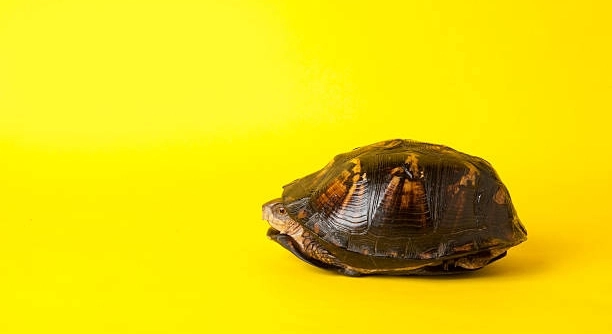
Your box turtle might spend most of its time in one spot in its tank. This behavior can be puzzling but understanding why it happens can help improve their well-being and environment.
Box turtles typically prefer one spot in their tank due to environmental factors such as temperature, lighting, and humidity. They may choose a location that provides optimal comfort, like warmth or shade, which helps them feel secure and relaxed.
There are many reasons your turtle may choose one spot, and learning more about these preferences can ensure a better habitat for your pet.
Temperature Preferences
A box turtle’s choice of spot can often be influenced by the temperature in its tank. These reptiles require a range of temperatures to regulate their body heat, with a warm side and a cooler side. They naturally seek out areas where they can absorb heat or find relief from overheating. If your turtle is spending most of its time in one spot, it could be because that area provides the right amount of warmth. It is important to monitor the temperature of the tank to ensure the warm side is between 85 to 90 degrees Fahrenheit and the cooler side is around 75 to 80 degrees.
Your turtle’s behavior might indicate that the spot it’s choosing offers a more consistent temperature. A thermostat can help you keep track of the temperature fluctuations, so you can adjust as needed.
A well-balanced temperature gradient is vital for your turtle’s health. Without it, your turtle might become stressed or sluggish. Box turtles rely on heat to aid in digestion, promote activity, and maintain healthy bodily functions. If your tank is not set up with the right temperature gradient, your turtle may retreat to a single location where the temperature feels just right, avoiding areas that are too hot or too cold.
Lighting and UVB Requirements
Box turtles are very sensitive to the quality of light in their habitat. UVB light is crucial for their well-being, as it helps them synthesize Vitamin D3 and absorb calcium, which supports healthy bones and shells. Your turtle may prefer a specific spot because it receives the best light. A UVB bulb should be placed above the basking area to provide proper exposure. Make sure it’s the correct distance from the turtle to ensure effective UVB penetration.
Without proper UVB lighting, your turtle might become lethargic or develop health issues. Ensuring that your box turtle has access to adequate light and warmth will help prevent these problems.
Humidity Levels
Humidity plays a major role in your turtle’s comfort. Box turtles thrive in a humidity range of 60-80%. If the tank is too dry, they may choose a spot that provides more moisture. On the other hand, if the humidity is too high, they might avoid those areas entirely.
When humidity is balanced, it helps your turtle maintain proper hydration and promotes healthy skin. If your turtle is staying in one spot, it’s likely searching for a comfortable, moist area that meets its needs. A humidity gauge can help you track levels and ensure consistency.
To maintain proper humidity, you can mist the tank or use a humidifier. A substrate like coconut coir can help retain moisture. Ensure your turtle’s tank offers a place to burrow or hide where the humidity is more stable, as these areas are often chosen for comfort and security.
Stress and Security
Box turtles can be sensitive to their surroundings. If they feel threatened or stressed, they might retreat to a particular spot where they feel secure. Stressors like loud noises, sudden movements, or new tank mates could influence their behavior.
Turtles need a space where they can relax and feel safe. If your box turtle is often in the same spot, it may be avoiding other areas that seem less secure. Creating a secluded spot with hides or plants can offer a safe haven. With less stress, your turtle can thrive in a peaceful environment.
A lack of hiding spots in the tank might make your turtle feel exposed. Providing a few shelters or rocks can help create a space where it feels protected. Ensuring that the tank remains quiet and calm will contribute to your turtle’s overall health and comfort.
Tank Size
A cramped tank might lead your turtle to favor one spot. Box turtles need space to roam and explore. If the tank is too small, they might settle in one corner or area that feels more comfortable. Ensure the tank is large enough to give them room to move.
A small tank can cause your turtle to feel confined, leading it to remain in one spot. Providing ample space will allow it to choose different areas and encourage natural behaviors. A larger tank also supports healthier movement, reducing the chance of stress or inactivity in your turtle.
Diet and Digestion
A box turtle’s preference for one spot might also relate to its digestion. After eating, turtles may seek a spot where they feel most comfortable while digesting. This behavior allows them to rest and process their food in a relaxed state, which is important for their overall well-being.
Turtles may gravitate toward areas that feel safe and warm after meals. Ensuring the tank has adequate temperature and humidity, along with a varied diet, will promote healthy digestion. Regular feeding schedules help the turtle feel secure and support their digestive health.
FAQ
Why does my box turtle spend so much time in one spot?
Box turtles tend to spend a lot of time in one area due to specific needs such as temperature, humidity, and comfort. They seek spots that offer the best environmental conditions to stay healthy. Whether it’s a warm basking spot or a cool hiding area, the spot they choose is likely offering the best comfort for them. Ensuring your tank meets all these needs can help your turtle feel secure and less focused on staying in one place.
Can my box turtle be stressed from staying in one spot?
If your turtle is staying in one area constantly, it could be due to stress. Box turtles can be sensitive to their surroundings, including loud noises or sudden changes in their environment. Stress can also come from improper tank conditions, such as inadequate temperature or humidity. If the tank is too small or lacks hiding spots, your turtle may feel anxious and choose a familiar spot where it feels safe. Try to create a more relaxed and secure space to reduce stress.
How do I know if my turtle is staying in one spot because of temperature?
If your turtle is spending a lot of time in one spot, check the temperature in different areas of the tank. Box turtles need a temperature gradient, with a warm side for basking and a cooler side for resting. If your turtle stays in one spot, it might be choosing an area that offers the perfect temperature for its needs. Use a thermometer to monitor the tank and adjust accordingly to ensure your turtle has a range of temperatures to choose from.
Should I be concerned if my turtle isn’t moving around a lot?
It’s natural for box turtles to stay in one spot occasionally, especially if they are feeling comfortable and secure. However, if your turtle isn’t moving around at all for long periods, it could indicate an underlying issue. It could be a sign of improper tank conditions or health problems. Ensure that the temperature, humidity, and lighting are adequate. If your turtle still isn’t moving after you’ve made adjustments, it might be time to consult a vet to rule out health issues.
What should I do if my turtle spends too much time in one spot?
If your turtle is staying in one area for too long, check the tank conditions. Make sure the temperature gradient is correct and that there are enough hiding spots or shelters. If your turtle is stressed, try to create a calm environment by minimizing noise and disturbances. A larger tank or rearranged decor might help your turtle feel more comfortable and less inclined to stay in one spot. Regularly monitor its behavior to ensure it’s moving around and showing natural activity.
Can I make my turtle’s environment more comfortable to encourage movement?
Yes, you can make changes to your turtle’s environment to encourage movement. Start by ensuring the tank has a proper temperature gradient, with warm and cool areas. Adding more hiding spots or plants can give your turtle options for security and rest. Ensure that the tank is large enough for your turtle to roam freely and that the substrate is suitable for burrowing if your turtle enjoys doing so. Regularly cleaning the tank can also contribute to a healthier, more inviting space.
What are the signs of improper humidity in my turtle’s tank?
Improper humidity can lead to health problems for your turtle. If the humidity is too low, your turtle might show signs of dry skin, be less active, or even have trouble shedding its skin. On the other hand, if the humidity is too high, it can create a damp environment that promotes mold or fungus growth. To maintain the right humidity, use a hygrometer to monitor the levels and adjust as needed by misting the tank or using a humidifier.
How can I create a better basking area for my box turtle?
A proper basking area is essential for your turtle’s health. It should be placed under a UVB light and a heat source to maintain a temperature of around 85 to 90 degrees Fahrenheit. Make sure the basking spot is large enough for your turtle to sit comfortably and is positioned at the correct height for them to reach it easily. Adding a shallow water dish nearby can also provide your turtle with hydration options after basking.
Why does my box turtle hide a lot?
Hiding behavior is common in box turtles, especially if they feel stressed or insecure. If your turtle is hiding often, it may be trying to escape disturbances or is feeling unwell. Ensure the tank provides plenty of hiding spots, but also check the overall environment for any sources of stress. If your turtle is hiding excessively and shows other signs of illness, such as lack of appetite or lethargy, it might be time to take them to a vet.
What should I feed my box turtle to keep it healthy?
A balanced diet is important for your box turtle’s health. Offer a mix of leafy greens, vegetables, fruits, and high-protein foods like worms or insects. Avoid feeding them too much fruit, as it can upset their digestive system. Make sure they always have access to fresh water. A varied diet will provide the necessary nutrients for a long, healthy life. Be mindful of the food’s size and texture to ensure it’s easy for your turtle to eat.
How can I tell if my box turtle is getting enough UVB exposure?
UVB exposure is crucial for your turtle’s overall health, especially for calcium absorption and shell development. If your turtle is staying in one spot under the UVB light, it might be getting enough exposure. However, check if the light is within the right distance from the turtle and whether the bulb is effective. Over time, UVB bulbs lose their potency, so replacing them regularly ensures your turtle continues to receive the necessary light.
Final Thoughts
Understanding why your box turtle prefers one spot in its tank can help ensure its well-being. Turtles are creatures of habit, often seeking comfort and security in their environment. The most common reasons for this behavior include temperature preferences, a need for a quiet space, or simply feeling more comfortable in one area. A balanced tank setup with proper temperature gradients, hiding spots, and a clean environment can support your turtle’s natural instincts and keep it active. By maintaining an environment that meets its physical and emotional needs, you can encourage your turtle to explore and roam around its space.
However, it is important to remember that while box turtles may settle in one spot occasionally, long periods of inactivity or a strong preference for one area could indicate other issues. These can range from stress or illness to improper tank conditions. If your turtle is not moving around as expected, it might be worthwhile to evaluate the humidity, temperature, and lighting in its tank. Sometimes, small adjustments such as a larger tank or more varied decorations can make a significant difference. Offering plenty of space and choice in terms of environment can make your turtle feel more secure and reduce the urge to stay in one spot constantly.
In conclusion, observing your box turtle’s behavior and making necessary adjustments to its environment is key to ensuring its health and happiness. A tank that mimics the turtle’s natural habitat, with varied temperatures, hiding spots, and sufficient space to move, encourages your turtle to be more active. If you ever notice concerning behavior, such as excessive hiding or lack of movement, consider checking the conditions within the tank or consulting with a veterinarian. By staying proactive and attentive to your turtle’s needs, you can create a comfortable and healthy living space for it to thrive.

Hello,
If you enjoy the content that we create, please consider saying a "Thank You!" by leaving a tip.
Every little bit helps us continue crafting quality advice that supports the health, happiness, and well-being of pets around the world, for pets of all shapes, sizes, and species.
We really appreciate the kindness and support that you show us!