
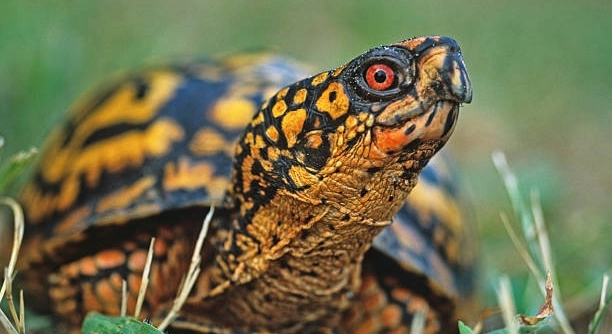
Is your box turtle not laying eggs despite your best efforts to create the ideal environment? Understanding the reasons behind this behavior is essential to ensuring your turtle’s well-being and successful egg-laying process.
The most common reasons your box turtle isn’t laying eggs include improper nesting conditions, inadequate diet, stress, or underlying health issues. Identifying and addressing these factors can significantly improve your turtle’s ability to lay eggs successfully.
Learn how these factors influence egg-laying and discover practical solutions to help your box turtle thrive and lay eggs comfortably.
Improper Nesting Conditions
Providing the right nesting conditions is critical for your box turtle’s egg-laying process. Turtles require a warm, moist substrate that is deep enough for digging and laying eggs. The temperature of the nesting area should be consistently maintained between 75-85°F to mimic natural conditions. Without these essentials, your turtle may become stressed and unable to lay her eggs.
A shallow or overly dry nesting area can discourage egg-laying. Monitor the humidity and ensure your turtle feels secure in the environment. Adding hides or foliage can provide additional comfort and privacy for the turtle.
By carefully setting up a suitable nesting site, you are ensuring your box turtle’s reproductive health. This involves regular maintenance, ensuring cleanliness, and consistently monitoring the temperature and humidity levels to create an inviting and natural space for egg-laying.
Diet and Nutrition
An inadequate diet can significantly impact your turtle’s ability to lay eggs.
Box turtles require a balanced diet rich in calcium, protein, and vitamins. Calcium is particularly crucial for shell development in eggs. A lack of these nutrients can lead to reproductive issues and even health complications.
Include a mix of leafy greens, fruits, vegetables, and protein sources like insects or worms in their diet. Calcium supplements can be sprinkled on their food to ensure they meet their nutritional needs. Pair this with proper UVB lighting to aid in calcium absorption, which is essential for egg-laying. Keeping your turtle well-nourished will help prevent common reproductive challenges and promote overall health.
Stress and Disturbances
Stress is a common reason box turtles may fail to lay eggs. Frequent handling, loud noises, or an overcrowded habitat can make them feel unsafe, inhibiting their natural behaviors, including egg-laying.
Providing a quiet and undisturbed environment is crucial. Ensure their habitat is in a low-traffic area and free from sudden movements or loud sounds. If other animals share the space, create barriers or separate enclosures to reduce potential stressors. Avoid unnecessary handling during this time to let your turtle feel secure.
A secure and peaceful environment allows box turtles to focus on nesting. Their natural instincts require stability, so minimizing changes in their routine or habitat setup during this period can make a significant difference. Small adjustments, such as adding hiding spots, can also help reduce stress and encourage egg-laying behavior.
Health Issues
Underlying health problems can prevent egg-laying in box turtles.
Conditions such as egg-binding (dystocia) or calcium deficiencies are common in turtles experiencing reproductive challenges. Egg-binding can cause discomfort and requires immediate attention. Physical inactivity, irregular appetite, or lethargy may signal an issue that needs veterinary care.
Regular health check-ups are essential for detecting and treating issues early. A qualified reptile veterinarian can provide X-rays or physical exams to identify blockages or abnormalities. Timely treatment ensures your turtle’s well-being and helps prevent long-term complications. Addressing health problems promptly can make a significant difference in their ability to lay eggs.
Environmental Temperatures
Temperatures that are too cold or too hot can disrupt a turtle’s ability to lay eggs. Maintain the habitat temperature within the ideal range of 75-85°F to encourage normal egg-laying behavior.
Use a reliable thermometer to monitor temperatures daily. Adjust heat sources or positioning to maintain consistent warmth in the nesting area.
Hydration
Proper hydration is essential for healthy egg production. Dehydrated turtles may struggle with egg development and laying. Ensure your turtle has constant access to clean, fresh water.
Providing a shallow soaking area can also help with hydration. This allows your turtle to absorb water through her skin while promoting overall comfort.
Lack of Privacy
A lack of privacy may cause a turtle to delay egg-laying. Adding hiding spots and covering parts of the enclosure can create a more secure environment.
FAQ
Why isn’t my box turtle laying eggs even though she looks healthy?
Even a healthy-looking turtle may face issues such as improper nesting conditions, stress, or insufficient calcium in her diet. Without an appropriate nesting area, she might retain her eggs. Stress from environmental changes or frequent handling can also inhibit egg-laying.
How do I know if my box turtle is egg-bound?
Signs of egg-binding include lethargy, loss of appetite, and visible straining without results. Your turtle may appear restless or spend more time attempting to dig unsuccessfully. A vet can confirm egg-binding through X-rays or physical examinations.
What should I feed my box turtle to support egg-laying?
Provide a balanced diet rich in calcium, protein, and vitamins. Leafy greens like kale and collard greens, fruits, and insects are excellent choices. Use calcium supplements and ensure access to UVB lighting to aid calcium absorption for healthy egg production.
How can I improve the nesting area?
Use a substrate like coconut coir or moistened soil, which allows easy digging. Keep the nesting area warm (75-85°F) and humid. Ensure it is deep enough for the turtle to burrow and lay eggs comfortably, mimicking natural conditions.
What should I do if my box turtle doesn’t lay eggs after making adjustments?
If your turtle doesn’t lay eggs after improving her habitat and diet, consult a reptile veterinarian. A professional can check for underlying health issues such as egg-binding or infections that might be causing delays.
How often do box turtles lay eggs?
Box turtles typically lay eggs once or twice a year, depending on factors like age, health, and environmental conditions. Clutch sizes usually range from 2 to 8 eggs. Proper care ensures they maintain a healthy reproductive cycle.
Can male box turtles lay eggs?
Male box turtles do not lay eggs. Only females produce eggs, and they can lay them even without mating, though these eggs will not be fertile.
Is it safe to move my turtle during egg-laying?
Avoid moving or handling your turtle unless absolutely necessary. Disturbing her during this time can cause stress, delaying or preventing egg-laying. If relocation is unavoidable, ensure the new space is secure and mimics her original habitat.
How long does it take for a box turtle to lay eggs?
The egg-laying process typically takes a few hours once the turtle begins digging and laying. However, environmental factors, stress, or health issues may extend this timeline. Ensure she has an undisturbed, suitable nesting area.
What happens if my turtle retains eggs for too long?
Egg retention can lead to serious health issues, including infections and egg-binding. Prompt veterinary attention is essential to address complications and ensure the turtle’s safety and long-term well-being.
Final Thoughts
Ensuring your box turtle can lay eggs successfully requires attention to several factors. From providing a suitable nesting environment to maintaining her overall health, each aspect plays a critical role. A balanced diet, proper hydration, and an ideal habitat setup are foundational steps to support her reproductive needs. Addressing potential stressors, such as frequent handling or noise, further ensures her comfort during this crucial period. These efforts not only help with egg-laying but also promote her long-term well-being.
If your turtle still struggles to lay eggs despite your efforts, it’s essential to consult a qualified reptile veterinarian. Issues like egg-binding or dietary deficiencies can require professional intervention. Regular health check-ups are a proactive way to catch and address problems early. With timely care and proper guidance, you can resolve complications effectively. Your commitment to her care will make a significant difference in her quality of life.
Taking care of a box turtle involves patience and observation. Every turtle is unique, and their behaviors may vary, but understanding their needs will help you provide the best care possible. Whether it’s adjusting the habitat or improving her diet, small changes can lead to positive outcomes. Your dedication ensures she stays healthy and thrives in her environment.

Hello,
If you enjoy the content that we create, please consider saying a "Thank You!" by leaving a tip.
Every little bit helps us continue crafting quality advice that supports the health, happiness, and well-being of pets around the world, for pets of all shapes, sizes, and species.
We really appreciate the kindness and support that you show us!