
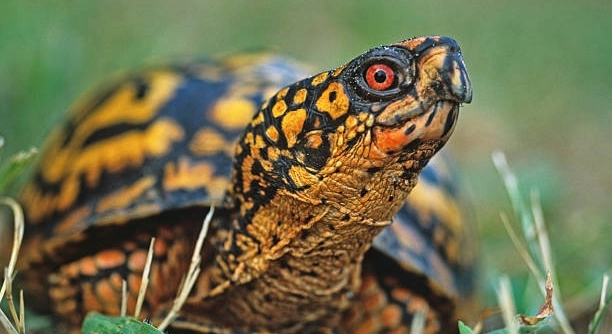
Box turtles are fascinating pets with unique behaviors, and one common action they often display is digging. If you’ve noticed your turtle digging excessively, you might be wondering what’s causing this behavior.
Excessive digging in box turtles can be caused by several factors, including the need to create a burrow for hiding, nesting, or adjusting to changes in their environment. Stress, temperature fluctuations, and poor diet may also contribute to this behavior.
Understanding why your box turtle is digging so much is essential to making sure its needs are met. Identifying the root cause will help ensure your turtle is comfortable and healthy.
Natural Instinct to Dig
Turtles have an instinctual need to dig. In the wild, box turtles often dig to create a safe space for themselves, either to hide from predators or to regulate their body temperature. They may also dig to create a nesting site when they are ready to lay eggs. These behaviors are essential for their survival in the wild, and they often carry them over into captivity. When your turtle digs excessively, it’s likely following these instincts. It’s important to remember that digging is a natural, healthy activity for box turtles.
Excessive digging is typically a sign that your turtle is trying to meet its natural needs. Ensuring your turtle has a proper environment that mimics its natural habitat will help reduce unnecessary digging.
Providing an adequate substrate is crucial. Box turtles prefer to dig in a deep, soft substrate, which allows them to burrow easily. The material should be absorbent and allow them to make natural burrows. A mix of soil, coconut husk, and peat moss works well for turtles. Without enough depth or the right texture, they may dig excessively because they cannot fully satisfy this instinct. If your turtle’s enclosure is too small or lacks the right materials, it can lead to stress. The right substrate, combined with a larger enclosure and appropriate environmental factors, will make your turtle feel more secure, reducing the amount of time spent digging.
Stress and Anxiety
Stress is another common reason why box turtles dig so much. They are sensitive creatures, and changes in their surroundings can make them anxious. This could include factors like loud noises, new pets in the household, or even a shift in their daily routine. Stress can also arise if your turtle is not getting enough attention or if it feels threatened by other animals nearby.
Stress can have a significant impact on your turtle’s well-being. It may cause it to dig as a way of coping with the uncomfortable situation. Creating a stable, calm environment for your turtle will help minimize these behaviors. It’s important to watch for signs of stress, like not eating or acting more skittish than usual. By addressing the underlying issues, you can help your turtle feel more at ease.
Temperature Changes
Box turtles are highly sensitive to temperature changes. If the environment is too hot or too cold, they may dig to regulate their body temperature. They will burrow into the substrate to find a cooler or warmer spot. Temperature fluctuations can cause your turtle to dig more as it tries to find the ideal conditions for comfort.
Maintaining a consistent temperature is essential for your turtle’s well-being. A basking area should be around 85 to 90°F, while the cooler side should stay between 70 to 75°F. A thermostat can help maintain a stable temperature in the tank. If the temperature fluctuates too much, your turtle will dig to seek out a comfortable environment, which can be a sign that adjustments are needed.
Turtles are more likely to dig if they’re exposed to sudden temperature drops or extreme heat. In nature, they can move to different areas to find a more suitable temperature, but in captivity, they rely on you to manage their habitat. Avoid placing their enclosure near windows, heaters, or vents, as these areas are prone to temperature swings. A stable, predictable environment will reduce unnecessary digging, and your turtle will feel safer and more relaxed.
Diet Issues
An improper diet can lead to excessive digging. If your box turtle isn’t receiving the right nutrients, it may dig to find something that helps meet its dietary needs. Nutrient deficiencies can cause stress, prompting your turtle to search for food or even create a burrow.
A balanced diet is key to your turtle’s health. Box turtles eat a variety of foods, including leafy greens, vegetables, fruits, and protein like worms and insects. Make sure to avoid overfeeding them on high-fat foods or processed items, as this can also lead to unhealthy behavior. Proper nutrition supports overall health, including maintaining a stable appetite and reducing anxiety that could cause digging.
Offering a variety of fresh, nutritious foods each day helps keep your turtle happy and healthy. Be sure to include a calcium supplement to ensure proper shell growth. If your turtle’s diet is lacking in any essential nutrients, it may dig to compensate, showing signs of stress and frustration. Regularly check that you’re offering the right balance of foods to ensure your turtle’s well-being.
Lack of Space
If your turtle’s enclosure is too small, it may start digging out of frustration. A cramped space can make your turtle feel confined, leading it to dig to find more room or a more comfortable area. Ensure that the tank is large enough for your turtle to move freely.
Turtles need plenty of space to roam and explore. In the wild, they cover large distances, so a small enclosure doesn’t meet their natural needs. Providing enough room encourages healthy movement and reduces the stress that leads to digging. A larger enclosure will also help prevent boredom, which is another common cause of excessive digging.
Boredom and Lack of Stimulation
Boredom is another major reason why box turtles dig. Without enough enrichment, your turtle may dig as a way to pass the time. They need activities like hiding spots, objects to climb, or areas to explore. Keep them mentally and physically stimulated with a variety of things to do.
A turtle’s environment should be engaging and dynamic. Consider adding plants, rocks, or logs to encourage climbing, foraging, and hiding. Changing the layout of the enclosure from time to time can also help keep your turtle interested and reduce excessive digging. If they don’t have enough to do, digging becomes an outlet for their energy.
FAQ
Why is my box turtle digging so much?
Box turtles dig for several reasons. It could be a natural instinct, such as creating a burrow for safety, hiding, or regulating their temperature. It’s also a common behavior when they are stressed or trying to adjust to changes in their environment. If your turtle has been digging excessively, it’s important to assess factors like temperature, diet, space, and potential stressors. Sometimes, digging is a sign that your turtle is looking for something it needs, like a better hiding spot or more food.
How do I stop my box turtle from digging?
To stop excessive digging, first, check if the environmental conditions are appropriate. Ensure your turtle has enough space to roam, a proper temperature gradient, and a balanced diet. Make sure the substrate is deep enough for your turtle to dig naturally. If your turtle’s behavior is linked to stress, try to eliminate the source of anxiety, such as loud noises or changes in its routine. Offering more enrichment or changing the layout of the enclosure may also help.
Is digging a sign of stress in box turtles?
Yes, excessive digging can be a sign of stress. Box turtles may dig when they are anxious, uncomfortable, or trying to adjust to environmental changes. If your turtle is digging more than usual, check for stress factors like temperature fluctuations, unfamiliar surroundings, or other animals that might be causing distress. Reducing stress and providing a comfortable, secure environment can help reduce digging.
What kind of substrate is best for my box turtle?
A good substrate should be deep enough for your turtle to dig and burrow naturally. A mix of coconut husk, peat moss, and soil works well. This combination allows for proper humidity control and is soft enough for digging. Avoid using sand or gravel, as they can be harmful if ingested. Also, make sure the substrate is regularly cleaned to maintain a healthy environment for your turtle.
How can I tell if my box turtle is digging because of temperature problems?
If your turtle is digging more than usual, temperature issues could be the cause. Box turtles dig to regulate their body temperature when the environment is too hot or too cold. Ensure your turtle has a basking spot that’s between 85 and 90°F, with a cooler side around 70 to 75°F. If the temperature is too high or too low, your turtle will try to burrow to find a comfortable spot. Use a thermometer to monitor the temperature regularly and make adjustments as needed.
Can my box turtle dig to lay eggs?
Yes, female box turtles dig to lay eggs. This is a natural behavior, and they may dig to create a suitable nesting site. The digging process allows them to bury their eggs in a safe, warm environment. If you have a female turtle and she’s digging more than usual, it could be a sign that she is preparing to lay eggs. Provide her with enough space and a substrate that allows her to dig comfortably.
How much space does my box turtle need to avoid excessive digging?
Your box turtle needs a large enough enclosure to roam and explore without feeling confined. A tank that’s at least 40 gallons is recommended for one adult box turtle. Larger enclosures are even better, as they provide more room for your turtle to dig, hide, and explore. A small or cramped space can lead to stress and excessive digging, so make sure your turtle has plenty of space to move around.
Can I stop my turtle from digging by adding more food?
While a healthy diet is important for your turtle’s overall well-being, simply adding more food may not stop digging. If your turtle is digging out of boredom or stress, more food alone won’t solve the problem. However, a balanced diet with plenty of fresh vegetables, fruits, and protein will help reduce the chances of digging caused by nutritional deficiencies. Make sure to offer a variety of foods to keep your turtle satisfied and prevent excessive digging driven by hunger or lack of nutrients.
Do box turtles need more digging time in the wild?
In the wild, box turtles dig as part of their natural behavior. They dig to create burrows for safety, hide from predators, regulate their body temperature, or prepare for nesting. While they have more space to roam in the wild, captive turtles still retain this instinctual need to dig. If your turtle is digging frequently in captivity, it’s likely trying to fulfill its natural instincts. Providing the right environment, including adequate space, substrate, and temperature, will help reduce unnecessary digging.
Final Thoughts
Excessive digging in box turtles is often a sign that something is off in their environment. It could be as simple as the need for more space, a change in temperature, or a lack of stimulation. Since digging is part of their natural behavior, it’s essential to observe and understand why your turtle might be digging so much. It’s also important to remember that turtles are unique, and their behaviors may vary based on their individual needs.
If you notice your turtle digging excessively, start by checking the basic conditions in its enclosure. A consistent temperature, enough space to roam, and a proper substrate can go a long way in reducing digging. A balance of natural materials like coconut husk, soil, and peat moss can make a comfortable environment for your turtle to dig naturally, while avoiding over-digging from stress or frustration. Additionally, make sure the food you provide meets all their nutritional needs. A well-fed turtle is less likely to dig in search of food.
Lastly, be patient and attentive to any changes in your turtle’s behavior. While digging is not always harmful, it’s important to consider any underlying factors that could be affecting their well-being. By ensuring your turtle has the right environment and care, you can help prevent excessive digging and ensure your turtle stays happy and healthy.

Hello,
If you enjoy the content that we create, please consider saying a "Thank You!" by leaving a tip.
Every little bit helps us continue crafting quality advice that supports the health, happiness, and well-being of pets around the world, for pets of all shapes, sizes, and species.
We really appreciate the kindness and support that you show us!