
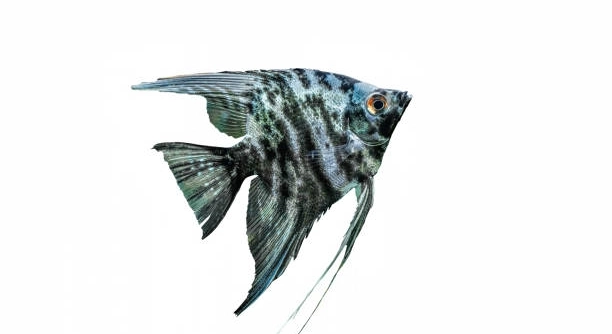
A healthy angelfish tank should be clean and pleasant-smelling, but sometimes it can emit an unpleasant odor. The causes for this issue are varied and often stem from common mistakes in tank maintenance.
The most common reasons your angelfish tank might smell bad are poor water quality, overfeeding, decaying plant matter, or inadequate filtration. These factors can lead to the buildup of harmful bacteria, creating foul odors that affect your aquarium environment.
By addressing these issues, you can improve your tank’s condition and create a healthier environment for your angelfish. Let’s explore the key factors that contribute to this problem.
Poor Water Quality
When it comes to bad smells in an angelfish tank, poor water quality is often the main issue. Dirty water provides a breeding ground for harmful bacteria that cause foul odors. This can happen if water changes are not done regularly, or if the filtration system isn’t working effectively. Fish waste, leftover food, and plant debris can accumulate, making the problem worse. Regular water changes help maintain a balanced environment and reduce the chance of bacteria growth.
If the water isn’t cleaned, it can result in stagnant conditions that invite odor-causing bacteria. Keeping up with water changes ensures that your tank stays fresh and healthy.
A good filtration system is key in helping remove waste from the water. Make sure your filter is the right size for your tank and clean it regularly to avoid debris buildup. Proper filtration also prevents harmful bacteria from thriving and keeps the water clear.
Overfeeding Your Angelfish
Overfeeding your angelfish can easily lead to an unpleasant smell. When fish are fed too much, they don’t eat all the food, and the excess food will start to decay. This uneaten food creates waste, which contributes to poor water quality.
It’s important to feed your angelfish only the amount they can consume within a few minutes. This reduces waste and ensures that the tank stays clean. The leftover food decomposes over time, releasing bad smells.
Decaying Plant Matter
Decaying plant matter is another common source of tank odors. Dead or decaying plants release organic material that rots in the water. This can lead to a foul smell, especially if the plants aren’t removed in time. Always inspect your tank’s plants for dead leaves and trim them regularly.
When plants decay, they contribute to water pollution. The organic matter provides food for bacteria that cause odors, further deteriorating water quality. To avoid this, prune plants and remove any dead leaves or stems before they begin to decay.
In addition to regular pruning, consider adding live plants that help maintain water quality. They absorb excess nutrients from the water, which can help prevent plant decay from becoming a major issue. Keeping your plants healthy is essential in maintaining a clean, odor-free tank.
Inadequate Filtration
A filter that is too small or not working properly is a common reason for tank odors. Filters help remove waste, leftover food, and other debris that can cause bad smells. Without a functioning filter, waste builds up in the water and leads to unpleasant odors.
Regularly check your filter to ensure it’s working efficiently. Clean or replace filter media as needed to ensure proper filtration. A malfunctioning or clogged filter won’t be able to keep the tank clean, allowing waste to build up, which leads to bad smells.
Make sure the filter is the appropriate size for your tank. A filter that’s too small will struggle to keep up with the amount of waste produced, while an oversized filter might cause unnecessary water flow, stressing your fish. Properly sized filtration will keep your tank clean and reduce the chance of unpleasant odors.
Dirty Substrate
A dirty substrate can be a hidden source of unpleasant tank smells. Debris, uneaten food, and waste can accumulate in the gravel or sand, creating a breeding ground for bacteria. Regular cleaning is necessary to avoid this buildup.
Use a gravel vacuum to clean the substrate and remove any waste or decaying material. If left unchecked, this waste can decay and release foul odors into the tank.
Cleaning the substrate helps maintain the overall health of the tank. It reduces excess nutrients and keeps the water clean, ensuring your angelfish stay in a healthy environment.
Dead Fish or Invertebrates
Dead fish or invertebrates in your tank can also cause a bad smell. If a fish or invertebrate passes away and isn’t promptly removed, it will start to decompose. The decay process releases strong, unpleasant odors into the tank.
Remove any dead fish or invertebrates as soon as possible to prevent this issue. Decomposing bodies can cause water contamination and increase bacteria growth, leading to worsening smells. Regularly inspect your tank for any deceased animals, especially in densely planted or hard-to-reach areas.
By keeping a careful eye on your tank, you ensure that your angelfish live in a clean, odor-free environment.
Poor Tank Maintenance
Regular maintenance is key to preventing odors in your tank. Without consistent water changes, cleaning, and filter maintenance, your tank can quickly turn unhealthy. Accumulated waste, bacteria, and debris create a breeding ground for bad smells.
Develop a routine for cleaning your tank and equipment. Regular water changes, substrate cleaning, and filter maintenance help keep the tank free of waste. This ensures your angelfish remain in a healthy, odor-free environment. Keep track of your tank’s upkeep to avoid letting maintenance slip.
FAQ
Why does my angelfish tank smell like rotten eggs?
A rotten egg smell in your tank often points to hydrogen sulfide, a gas produced by decaying organic matter or poor water quality. This can occur when waste, such as uneaten food or dead plants, breaks down in stagnant water. It is usually a sign that the tank is not being maintained properly or that the filtration system is not functioning as it should. To fix this, perform a water change, clean the substrate, and ensure your filter is running effectively.
How often should I change the water in my angelfish tank to avoid bad smells?
Water changes should be done at least once a week to maintain good water quality and prevent bad odors. In heavily stocked tanks or tanks with poor filtration, you may need to change the water more frequently. Regular water changes help remove waste, excess nutrients, and harmful bacteria, keeping the tank clean and reducing the chances of bad smells. Always make sure the water you add is conditioned and at the correct temperature to avoid stressing your fish.
Can overfeeding my angelfish cause bad odors?
Yes, overfeeding your angelfish can lead to unpleasant odors. Excess food that isn’t eaten by the fish starts to decompose, which causes waste to build up and can lead to bad smells. To prevent this, only feed your angelfish as much as they can eat in a few minutes. Any leftover food should be removed to avoid decomposition and water contamination. It’s better to feed your fish small amounts more frequently than to overfeed them in one sitting.
What should I do if my filter is not working properly and causing bad smells?
If your filter isn’t working properly, it can lead to poor water quality and bad smells. Start by checking the filter for clogs or debris. Clean or replace the filter media if needed. If the filter is too small for the tank, consider upgrading to a larger or more powerful filter. Make sure the filter is running 24/7 to help maintain water flow and remove waste. Regular filter maintenance, such as rinsing out filter media and cleaning the filter, will also prevent odors from building up.
Why does my tank smell even after I clean it?
If your tank smells even after cleaning, it could be due to underlying issues such as poor filtration, decaying plant matter, or leftover food in the substrate. Make sure to clean all parts of the tank, including the filter, substrate, and decorations. Also, check the water parameters and perform a water change to ensure everything is in balance. If the smell persists, it might be worth investigating whether there are dead fish or invertebrates hiding in the tank, as their decomposition can also cause odors.
Can dead plants cause bad smells in my angelfish tank?
Yes, dead or decaying plants can contribute to bad smells in the tank. When plant matter breaks down, it releases organic material that bacteria feed on, which causes foul odors. Regularly trim dead leaves and stems from your plants to prevent them from decomposing in the tank. If your plants aren’t thriving, consider replacing them with healthier ones or adjust the lighting and nutrients to improve their growth. Healthy plants can also help improve water quality by absorbing excess nutrients, reducing the chances of foul odors.
How do I prevent my angelfish tank from smelling in the future?
To prevent future odors in your angelfish tank, stick to a regular maintenance routine. Perform weekly water changes, clean the substrate, and ensure the filter is functioning properly. Avoid overfeeding your fish and remove any uneaten food promptly. Trim dead or decaying plants regularly, and remove any dead fish or invertebrates as soon as you notice them. Regular monitoring of the water quality and tank conditions will help prevent odors and ensure your angelfish remain in a healthy, clean environment.
Can a dirty substrate lead to tank odors even if the water looks clear?
Yes, a dirty substrate can lead to bad smells even if the water looks clear. Waste and uneaten food can accumulate in the substrate and decompose, producing foul odors. This is often overlooked because the water may still appear clean, but the buildup in the substrate can cause water contamination over time. Use a gravel vacuum to clean the substrate during water changes to prevent this. Regular cleaning of the substrate ensures a cleaner tank and helps prevent bad smells from developing.
How do I know if my angelfish tank has poor water quality?
Signs of poor water quality include cloudy water, a strong or foul odor, and visible waste buildup. You may also notice your angelfish showing signs of stress, such as swimming erratically or staying at the surface for long periods. It’s important to test the water regularly for ammonia, nitrites, nitrates, pH, and hardness. If these parameters are off, perform a water change and adjust as necessary. A good filtration system and regular maintenance will help maintain optimal water quality and prevent odors.
Is it necessary to clean my tank’s filter if it’s not smelling yet?
Yes, it is important to clean your tank’s filter regularly, even if the tank isn’t smelling yet. Over time, debris and waste can build up in the filter, reducing its efficiency. This can lead to poor water quality and bad odors later on. Clean or replace the filter media every month or as needed, depending on the size of your tank and the type of filter you have. Keeping the filter clean helps prevent future problems with odors and ensures your tank remains healthy.
Final Thoughts
Maintaining a clean and healthy angelfish tank is essential for both the well-being of your fish and the overall environment of your aquarium. The presence of bad odors often signals underlying issues such as poor water quality, excess waste, or improper maintenance. By addressing these problems promptly, you can prevent unpleasant smells and ensure your angelfish thrive in a clean, healthy habitat. Regular water changes, proper feeding practices, and consistent tank maintenance play significant roles in keeping your tank odor-free.
One of the most important steps is to clean the substrate regularly. Even if the water appears clear, debris and waste can accumulate in the substrate, leading to decaying organic material that causes foul smells. Using a gravel vacuum during water changes will help maintain the cleanliness of the substrate and reduce the chances of odors developing. In addition to this, ensure that your filter is functioning properly and is suitable for the size of your tank. A good filter helps keep the water clear and free of contaminants, reducing the potential for bad smells.
In the end, the key to preventing tank odors lies in regular maintenance and observation. Pay attention to your tank’s water quality, fish health, and overall cleanliness. Don’t overlook small issues like dead plants or uneaten food, as these can contribute to poor water quality and foul smells. By staying on top of these tasks, you’ll create a more pleasant environment for your angelfish, ensuring their health and happiness.

Hello,
If you enjoy the content that we create, please consider saying a "Thank You!" by leaving a tip.
Every little bit helps us continue crafting quality advice that supports the health, happiness, and well-being of pets around the world, for pets of all shapes, sizes, and species.
We really appreciate the kindness and support that you show us!