
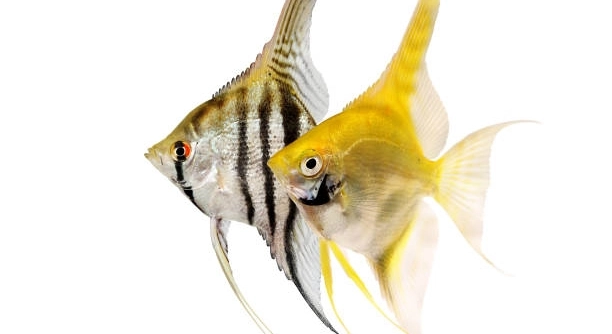
Angelfish are popular aquarium pets known for their beauty and grace. However, sometimes they can develop physical issues, such as a crooked spine. If you notice this problem, understanding the cause is important for their well-being.
A crooked spine in angelfish may be caused by factors such as genetic mutations, poor water quality, nutritional deficiencies, or tank conditions. Overcrowding and stress can also contribute, making it essential to maintain a healthy environment for them.
These issues are not always easy to spot, but understanding the factors behind them can help prevent future occurrences. Keep reading to learn more about the causes and how to address this problem for your angelfish.
1. Genetic Mutations and Spinal Deformities
Sometimes, a crooked spine in angelfish is simply the result of a genetic mutation. These fish, like any other living creatures, can inherit certain defects from their parents. If an angelfish’s parents carried the gene for a curved spine, there’s a chance the offspring will develop the same condition. This is especially common in fish that are selectively bred for specific traits. When breeders focus on visual qualities, they sometimes overlook the importance of maintaining genetic health, which can lead to deformities in offspring.
While genetics is a natural cause, it’s important to note that such conditions are not always visible right away. In some cases, the spinal issue may not show up until the fish matures. As a result, it can be tough for aquarists to prevent this problem since it’s inherited and not something they can change once the fish has developed.
Even though this may sound discouraging, if you notice signs of a crooked spine early on, you can make adjustments to ensure the fish’s environment is as stress-free as possible. This may help manage the issue and keep the fish comfortable.
2. Poor Water Quality and Stress
Bad water quality is a common problem that leads to several health issues for aquarium fish. If the tank isn’t properly maintained, it can stress your angelfish, weakening their immune system and affecting their growth, including their spine.
When the water contains high levels of ammonia, nitrites, or nitrates, it can cause health issues in fish. Poor water conditions not only harm the fish’s overall health but also increase their stress, which can exacerbate existing spinal problems. To prevent this, regular water changes and proper filtration are necessary to maintain clean and healthy conditions in your aquarium.
Maintaining a stable temperature and pH level is equally important for their health. Sudden changes in the environment can be extremely harmful to angelfish and could lead to the development of deformities like a crooked spine. Properly monitoring these factors will reduce the chances of stress-related issues and ensure the best living conditions for your fish.
3. Nutritional Deficiencies
A lack of proper nutrition can contribute to spinal deformities in angelfish. Without the right balance of vitamins and minerals, their growth and bone development can be stunted. Deficiencies in calcium or other essential nutrients can weaken their bones, causing them to bend or curve unnaturally.
Feeding your angelfish a varied diet is key to preventing nutritional deficiencies. Quality commercial food should be supplemented with live or frozen foods, like brine shrimp or daphnia, to provide extra vitamins and minerals. You should also ensure that the food is appropriate for the size and age of your fish.
Additionally, it’s crucial to provide a well-rounded diet that includes both protein and plant matter. These nutrients support healthy growth and overall well-being. If you suspect a nutritional deficiency, consider adjusting the fish’s diet or offering a vitamin supplement designed for aquarium fish.
4. Tank Conditions and Overcrowding
Overcrowding in an aquarium is a common cause of stress for fish, and it can lead to physical problems like a crooked spine. When too many fish share a small space, it causes competition for resources such as food and territory. This constant stress can weaken the fish’s immune system and affect their growth, leading to deformities.
Angelfish need space to swim and establish their territories. Providing a tank that is adequately sized for the number of fish you have will help reduce stress. Ideally, a tank for angelfish should be at least 30 gallons for a small group. If there are too many fish in one tank, the overcrowding can lead to more aggression, which worsens the stress levels.
It’s also important to ensure that your tank has hiding spots and plenty of plants or decorations. These elements allow fish to retreat when they feel threatened, reducing stress and giving them more comfortable spaces to rest. Proper tank conditions are vital to your angelfish’s health and can prevent physical deformities from forming.
5. Physical Injury or Trauma
Angelfish can develop a crooked spine if they suffer from physical injuries. Collisions with hard objects in the tank or fighting with other fish can cause damage to their spine, leading to deformities. These injuries often occur when the fish are startled or stressed.
If an angelfish sustains an injury, the spine can become misaligned or weakened. In some cases, the injury might not be visible right away, but over time, the fish’s posture will begin to change. Providing a stress-free environment and removing sharp objects can help reduce the risk of injury.
Proper tank care and monitoring can prevent most injuries, but if one does happen, you’ll need to address the injury promptly. Quarantine the injured fish to give it a safe, calm space for recovery.
6. Improper Tankmates
Choosing tankmates carefully is important to avoid aggression that could cause physical harm to your angelfish. Some species are more aggressive and may nip at or attack other fish. This aggression can lead to physical injury, including spinal deformities.
Aggressive tankmates can cause stress, leading to injuries, which in turn might affect the spine. It’s important to ensure that your angelfish is housed with peaceful species. Researching the temperament of other fish before adding them to the tank can help avoid these problems and create a more harmonious environment for all your fish.
7. Environmental Stress Factors
Environmental stress factors, such as fluctuating water temperature, poor water movement, or excessive noise, can also lead to spinal deformities in angelfish. These stressors weaken their immune systems and affect their overall health.
Stress is one of the most harmful conditions for fish, and if your angelfish is constantly stressed, it can show in the form of physical deformities. To prevent this, ensure that the tank environment is stable, with proper filtration and temperature regulation. Keeping the aquarium peaceful and free from sudden disturbances will help keep your fish healthy and stress-free.
FAQ
Why does my angelfish have a crooked spine?
A crooked spine in angelfish can result from several factors such as genetic mutations, poor water quality, nutritional deficiencies, physical injury, or overcrowding. Genetics can cause hereditary spinal deformities, while poor water conditions and stress can weaken their health, contributing to spinal problems. Nutritional imbalances, especially a lack of calcium, can lead to bone issues, while overcrowding causes stress and aggression, further increasing the chances of deformities. Keeping the environment stable, providing proper nutrition, and preventing overcrowding can help prevent such problems.
Can a crooked spine be treated in angelfish?
Unfortunately, once a crooked spine develops in angelfish, it is usually irreversible. Treatment often focuses on managing the fish’s environment to reduce stress and discomfort. Providing high-quality food, improving water conditions, and ensuring the fish has plenty of space to swim can help the angelfish live a more comfortable life despite the deformity. In some cases, physical therapy or special accommodations like gentle water currents may help the fish maintain its health, though it won’t cure the spine condition.
Is a crooked spine painful for my angelfish?
Yes, a crooked spine can cause pain and discomfort for your angelfish, particularly if the deformity affects its movement or ability to feed properly. Fish don’t show pain in the same way mammals do, but signs like lethargy, reduced appetite, or difficulty swimming can indicate that the fish is struggling. Monitoring the fish closely and ensuring that its environment is stress-free can help alleviate some discomfort, even though the underlying spinal issue may not be treatable.
Can overcrowding cause spinal deformities in angelfish?
Yes, overcrowding can cause stress in angelfish, which weakens their immune system and overall health, making them more susceptible to physical deformities, including a crooked spine. When too many fish share a limited space, they often fight for resources like food and territory, which increases stress. Stressful conditions can affect the development of fish, especially in a confined environment, so it’s important to provide enough space for each fish to reduce stress and prevent deformities from occurring.
How can I prevent spinal deformities in my angelfish?
To prevent spinal deformities in your angelfish, you must focus on maintaining optimal tank conditions. Ensure that the water quality is good, with regular changes and proper filtration. Avoid overcrowding the tank and make sure there is enough space for each fish to swim and establish its territory. Feed your fish a well-balanced diet rich in essential nutrients like calcium, and monitor them closely for any signs of physical stress or injury. Providing a peaceful environment with compatible tankmates will also help reduce stress and prevent deformities.
What should I do if I notice a crooked spine in my angelfish?
If you notice a crooked spine in your angelfish, first assess the tank’s conditions. Check the water quality, temperature, and pH levels to ensure that the environment is not causing stress. If you suspect the problem is related to overcrowding or poor diet, consider making changes in these areas. In some cases, physical injuries may have caused the deformity, so observe the fish for any signs of trauma. While the deformity may not be treatable, improving the fish’s living conditions will help prevent further issues and keep it comfortable.
Can injury or trauma cause a crooked spine in angelfish?
Yes, injury or trauma can cause a crooked spine in angelfish. Collisions with hard objects in the tank, such as rocks or decorations, or aggression from other fish can result in spinal damage. These injuries may not always be immediately visible but can cause lasting effects on the fish’s posture and health. To prevent this, ensure the tank has smooth edges, remove sharp objects, and provide enough space for fish to avoid accidental injuries. Avoiding aggressive tankmates is also key to reducing the risk of injury.
How can I help an angelfish with a crooked spine live a better life?
While you cannot reverse the crooked spine, you can still improve your angelfish’s quality of life. Start by ensuring the tank is large enough and free of stress factors. Provide a nutritious, well-balanced diet that includes live or frozen foods to support its health. Minimize the number of tankmates and ensure they are peaceful species. Regular water changes and proper filtration are essential to keep the environment clean and reduce stress. Keeping the tank calm and monitoring the fish regularly will help it live more comfortably despite the deformity.
Can poor nutrition lead to spinal deformities in angelfish?
Yes, poor nutrition can lead to spinal deformities in angelfish. A lack of essential nutrients like calcium, vitamins, and minerals can weaken the bones and affect the fish’s growth. Calcium deficiencies, in particular, can result in malformed bones, including a crooked spine. To prevent this, ensure that your angelfish receives a varied and balanced diet, including both protein-rich foods and plant-based options. Supplementing with vitamins or minerals may also help if you suspect a deficiency in their diet.
How do I know if my angelfish has a nutritional deficiency?
Signs of nutritional deficiencies in angelfish can include a lack of growth, abnormal body shape, or visible deformities, like a crooked spine. A deficiency may also cause lethargy, poor color, or weakened fins. If you notice any of these symptoms, check the quality of the food you’re providing. Ensure that your angelfish is getting a balanced diet with essential nutrients, including vitamins, minerals, and protein. If needed, supplement their diet with vitamins designed for aquarium fish. Regularly feeding live or frozen foods can also help prevent deficiencies.
Final Thoughts
Dealing with a crooked spine in angelfish can be a challenging experience for any aquarist. It’s important to understand that while some causes, like genetic mutations, are out of your control, others, such as poor water quality or overcrowding, can be managed with proper care. Keeping a stable, healthy environment is key to ensuring that your fish thrive. Regular water changes, maintaining proper tank size, and providing high-quality food are simple but effective ways to prevent spinal issues from occurring in the first place.
Although a crooked spine can’t always be fixed, you can still make life easier for your angelfish. Providing them with a peaceful environment, offering plenty of space to swim, and ensuring that the tankmates are not aggressive will help reduce stress, which can worsen the condition. A balanced diet rich in essential nutrients can also help prevent some deformities, particularly those related to nutritional deficiencies. Monitoring your fish’s behavior and adjusting the tank conditions as needed will keep your fish as healthy and comfortable as possible.
Ultimately, it’s important to remember that every fish is unique. Some may develop a crooked spine due to factors beyond your control, but with proper care, they can still live fulfilling lives. Regularly check on their well-being, make necessary adjustments to their environment, and continue to educate yourself about their needs. By understanding the causes and potential solutions for spinal deformities, you can ensure your angelfish’s comfort and health for years to come.

Hello,
If you enjoy the content that we create, please consider saying a "Thank You!" by leaving a tip.
Every little bit helps us continue crafting quality advice that supports the health, happiness, and well-being of pets around the world, for pets of all shapes, sizes, and species.
We really appreciate the kindness and support that you show us!