
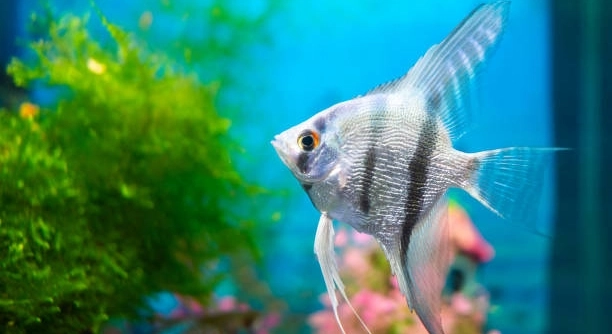
Is your angelfish spending more time near the surface than usual, and you’re not sure if it’s something to worry about?
The most common reason your angelfish is staying near the surface is low oxygen levels in the tank water. Poor aeration or water quality often leads fish to seek higher areas where oxygen concentration is greater.
Understanding what might be causing this behavior can help you take the right steps. Each reason on this list points to something that can be checked or changed to improve your fish’s environment.
Lack of Oxygen in the Water
When oxygen levels are low, angelfish often move toward the surface where the oxygen concentration is slightly higher. This is usually due to poor water circulation, high water temperature, or overcrowding in the tank.
Angelfish need a stable, oxygen-rich environment to stay healthy. Without enough oxygen, they may show signs of stress such as rapid gill movement, reduced activity, or staying near the surface for long periods. This can happen if the tank lacks proper filtration or aeration. Warmer water holds less oxygen, so a high tank temperature can also make it harder for fish to breathe. Overcrowding is another issue, as too many fish in a small space can quickly deplete oxygen levels. Adding air stones, increasing surface movement with a filter, or reducing the number of fish in the tank are effective ways to improve oxygen levels.
It’s important to monitor the tank regularly. A drop in oxygen can lead to more serious health issues if left unchecked. You can use a water test kit to check oxygen and other levels. Keeping plants trimmed and removing waste buildup can also help. Even something as simple as changing a portion of the water can bring quick relief if your fish are gasping near the surface.
Ammonia or Nitrite Spikes
High ammonia or nitrite levels can quickly harm angelfish. These toxic compounds build up from waste and leftover food, especially in tanks without proper filtration or regular cleaning.
When these toxins rise, angelfish often swim near the surface or act strangely. You might notice them rubbing against objects or clamping their fins. Testing the water is the first step. A spike in ammonia or nitrite means the tank isn’t cycling properly, or it’s overloaded. Partial water changes, reducing feeding, and using detoxifying conditioners can help lower the levels. Make sure your filter is working well and not clogged. Avoid adding new fish until levels stabilize. For long-term care, consider adding beneficial bacteria products to help the tank cycle more efficiently. Staying on top of maintenance helps prevent these issues and keeps your angelfish healthy.
High Water Temperature
When the water is too warm, oxygen levels drop and your angelfish may start staying near the surface to breathe more easily. Tanks placed near windows or heaters can heat up quickly without you noticing.
Keeping the temperature between 76°F and 82°F is ideal. Use a reliable aquarium thermometer to check daily and make adjustments if needed.
Poor Water Quality
Dirty water affects angelfish health fast. Waste, uneaten food, and decaying plants increase toxins that stress your fish. Even if the water looks clear, harmful levels can still build up.
Weekly water changes, vacuuming debris from the substrate, and rinsing the filter sponge in old tank water can help keep things stable. Testing the water once a week for ammonia, nitrite, and nitrate is key. If levels rise, act quickly with a water change. Avoid overfeeding, and remove uneaten food within a few minutes. Clean water helps your angelfish stay active and avoid surface-hugging behavior.
Surface Feeding Habits
Angelfish often associate the surface with feeding time. If you feed them at the top of the tank regularly, they might start hanging out there more often expecting food.
FAQ
Why is my angelfish breathing heavily at the surface?
Heavy breathing at the surface usually means your angelfish is struggling to get enough oxygen. This could be due to low oxygen levels in the tank, often caused by high water temperatures, poor water circulation, or waste buildup. It’s important to test the water for ammonia, nitrites, and oxygen levels. Make sure your filter is running well, and consider adding an air stone or adjusting the filter flow to improve water movement. Try a partial water change and check if the behavior improves over the next few hours.
Can stress make my angelfish stay near the top of the tank?
Yes, stress is a common reason fish act differently. If your angelfish is new to the tank, it may be adjusting to the environment. Sudden changes in lighting, loud noises, or frequent movement near the tank can also be stressful. Poor water conditions or aggressive tank mates are other causes. When stressed, angelfish may hide, breathe faster, or swim near the surface. Reducing stress by maintaining clean water, keeping the tank calm, and offering places to hide can help your fish feel more secure.
What role does water flow play in this behavior?
Water flow is important because it affects oxygen distribution. If the surface is still and there’s no water movement, oxygen won’t mix well into the rest of the tank. Angelfish may stay near the top because it’s the only area with enough oxygen. On the other hand, too strong of a current can exhaust them or make it hard to swim. Adjust your filter or add a gentle air stone to help circulate the water better without creating stress from strong currents.
Is it normal for angelfish to be at the surface during feeding time?
Yes, many angelfish learn to associate the surface with feeding time. If you feed flakes or floating pellets, your fish may start hovering near the top even when it’s not time to eat. This isn’t a problem unless it becomes constant or obsessive. To balance this, you can occasionally offer sinking foods or feed from different areas of the tank so they don’t only expect food at the surface.
Could this behavior be linked to swim bladder issues?
Swim bladder problems can make it hard for angelfish to control their movement. If your fish is stuck floating at the surface and can’t swim down easily, this might be the issue. Other signs include swimming sideways or upside-down. Swim bladder issues can come from overeating, constipation, or infections. Try fasting the fish for a day or two and then feed a small amount of cooked, peeled peas to help clear the digestive tract. If there’s no improvement, it may need medical attention or a water adjustment.
How do I know if my tank is overcrowded?
Overcrowding can lower oxygen and increase waste, leading to stress. A general rule is one gallon of water per inch of adult fish. For angelfish, which can grow quite large, they need more space—at least 10 gallons per fish. Too many fish in one tank leads to fighting, poor water quality, and oxygen problems. If your angelfish is staying at the surface and you have a lot of other fish, consider moving some to another tank to reduce pressure on the system.
Should I use a bubbler or air stone to help?
Yes, bubblers or air stones can help improve oxygen levels, especially in warmer or still tanks. They increase surface agitation, which allows more oxygen to dissolve into the water. Even small air stones can make a difference in a low-oxygen tank. They also help move water around so it doesn’t become stagnant in certain areas. Just make sure the bubbles are gentle and not overwhelming for your angelfish.
How often should I test my water to avoid these issues?
Testing once a week is a good habit. Use a liquid test kit to check ammonia, nitrite, nitrate, pH, and temperature. If you notice odd behavior, like staying at the surface or heavy breathing, test immediately. Water conditions can change quickly, especially in smaller tanks or heavily stocked ones. Regular checks help you catch problems before they become serious. Keep a log if you want to track trends over time.
Do floating plants help with surface behavior?
Floating plants can give fish a sense of cover and reduce surface light, which might make your angelfish feel safer. However, too many floating plants can block oxygen exchange at the surface. It’s best to keep a balance—some plants for comfort, but not so many that they limit airflow or block light completely. Keep them trimmed and move them around if needed to maintain good surface movement.

Hello,
If you enjoy the content that we create, please consider saying a "Thank You!" by leaving a tip.
Every little bit helps us continue crafting quality advice that supports the health, happiness, and well-being of pets around the world, for pets of all shapes, sizes, and species.
We really appreciate the kindness and support that you show us!