
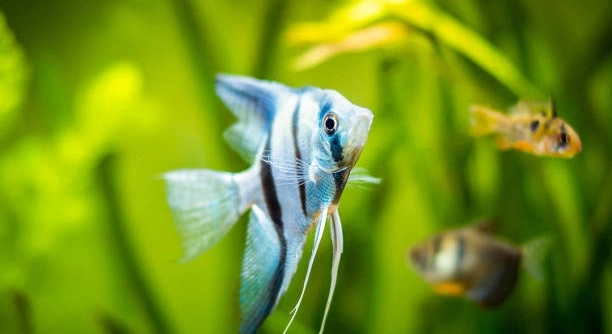
Angelfish are beautiful and peaceful creatures that can be a joy in any aquarium, but sometimes they refuse to eat pellets. Understanding the reasons behind this can help you solve the problem and keep your fish healthy.
The refusal to eat pellets can be caused by various factors such as stress, poor water quality, or the presence of incompatible tankmates. It’s important to assess each aspect of their environment to find the root cause.
Several factors affect angelfish eating habits, and recognizing them will ensure your fish remain healthy and well-fed. Let’s explore the common reasons and how to address them.
1. Stress from Changes in the Aquarium Environment
Angelfish are sensitive to changes in their environment. Any sudden shift, such as a change in water temperature, new tankmates, or even moving to a different tank, can cause stress. This stress may lead to a loss of appetite, making it difficult for your angelfish to adjust and eat properly. When the environment becomes unstable, the fish may prioritize survival over feeding, leading to a reluctance to eat pellets.
Stress-related refusal to eat can last for a few days or longer, depending on the severity of the disruption. It’s crucial to keep the environment as stable as possible to reduce these issues.
To help them settle in, make gradual changes to the tank. Adding fish slowly and maintaining consistent water conditions will help angelfish feel more comfortable and reduce their stress levels. Keeping track of water parameters like temperature, pH, and ammonia levels will also ensure they stay healthy.
2. Poor Water Quality
Poor water quality is another common reason for an angelfish’s refusal to eat. Dirty water can harbor harmful toxins like ammonia, nitrites, and nitrates, which make it harder for your fish to feel comfortable. When water conditions aren’t ideal, fish may stop eating and hide to avoid the stress of swimming in toxic water.
Regular water changes and keeping up with tank maintenance can solve this problem. When the water quality improves, your fish will feel better and may start eating again. Maintaining a clean tank is a key part of ensuring your angelfish’s health.
Make sure to monitor the water parameters closely. Ammonia and nitrite should always be at zero, and nitrate should be kept under 20 ppm. A good filtration system is essential for maintaining clean water. Regular testing and keeping the tank clean will reduce stress and make your angelfish more likely to eat pellets.
3. Incorrect Pellet Size or Type
If the pellets are too large or the wrong type for your angelfish, they may refuse to eat. Angelfish have small mouths, and if the pellets are too big, they may struggle to consume them. The texture of the food can also affect their willingness to eat.
To fix this, ensure the pellets are the appropriate size for your angelfish. You may want to try flake food or smaller pellets that are easier for them to swallow. Some fish are picky eaters and may prefer a specific type of food, so it’s important to experiment with different options.
Changing the type of pellets to something more suitable could help your angelfish eat again. High-quality pellets designed specifically for angelfish are a good choice. You can also try sinking pellets if your angelfish are reluctant to take food from the surface. Offering a variety of food will help ensure they find something they like.
4. Incompatible Tankmates
Having the wrong tankmates can affect your angelfish’s appetite. Aggressive or overly active tankmates can stress your angelfish, making them less likely to eat. When fish feel threatened or unsafe, they often stop eating.
Consider the temperament of the fish in your tank. Angelfish are peaceful but can become stressed by aggressive species like cichlids or fast-moving fish. It’s best to keep them with calm and peaceful tankmates. Keep an eye on interactions to ensure no fish are bullying your angelfish.
If the aggression persists, consider moving the aggressive fish to another tank. This will give your angelfish the space and peace they need to feel comfortable and eat. Creating a stress-free environment is crucial to getting your angelfish back to eating regularly.
5. Overfeeding
Overfeeding can lead to your angelfish refusing pellets. When fish are given too much food, they may become full and lose interest in eating more. This can disrupt their feeding schedule and make them avoid pellets.
To avoid overfeeding, only give your angelfish as much food as they can eat in 2-3 minutes. If there’s leftover food after that time, reduce the amount you’re feeding. Keep an eye on their eating habits and adjust portions accordingly.
Overfeeding can also pollute the water, leading to poor water quality, which can worsen the eating problem. Regularly remove any uneaten food from the tank to maintain a clean environment and ensure your angelfish stay healthy.
6. Illness or Injury
Angelfish, like all fish, may stop eating if they are sick or injured. Illness can cause a lack of appetite as the fish focus on recovering. Common diseases like velvet disease or swim bladder issues may also cause a refusal to eat.
If you suspect your angelfish is ill, check for other signs such as lethargy, abnormal swimming, or discoloration. Immediate treatment is necessary to prevent further complications. Consult a vet or aquatic specialist to properly diagnose the issue.
Early intervention is crucial. Ensure your fish are isolated in a separate quarantine tank to avoid spreading any disease to other tankmates. Proper treatment can help restore their appetite and overall health.
7. Natural Eating Habits
Angelfish have natural feeding patterns that may differ from what you expect. They are often slow feeders and may prefer eating at certain times of the day. If they’re not interested in pellets immediately, they may just need time.
Try feeding your angelfish at consistent times each day, preferably during the aquarium’s quietest periods. Some angelfish may prefer live food over pellets, so offering options like brine shrimp can stimulate their appetite.
FAQ
Why is my angelfish not eating pellets?
There are several reasons your angelfish may not be eating pellets. Stress, poor water quality, and inappropriate tankmates are common causes. The type or size of the pellets may not suit your fish, or they might be ill. Overfeeding is another possibility, as well as their natural feeding habits.
How can I tell if my angelfish is stressed?
Signs of stress in angelfish include hiding, rapid gill movement, excessive swimming, or aggression. They might also exhibit pale coloring or darting around the tank. Stress can stem from changes in the environment, incompatible tankmates, or water quality issues.
How do I improve water quality for my angelfish?
Improving water quality is vital for your angelfish’s health and feeding habits. Regular water changes, at least 25-30% weekly, help maintain clean water. You should test the water regularly for ammonia, nitrite, nitrate, pH, and temperature. Using a good filtration system will also improve water quality.
Can angelfish eat too much food?
Yes, overfeeding angelfish can lead to several issues, including refusal to eat pellets. Overfed fish may become full quickly and lose interest in food. Excess food also pollutes the water, leading to poor water quality. Only feed them as much as they can eat in 2-3 minutes.
What should I do if my angelfish refuses to eat?
Start by checking the water quality and removing any uneaten food. Look for signs of illness or stress. If your angelfish isn’t eating, try changing the food type or size of the pellets. If the issue persists, ensure the tankmates are compatible, and the tank environment is stable.
Are angelfish picky eaters?
Yes, angelfish can be quite selective about their food. Some may prefer live food over pellets, while others might only eat certain pellet sizes or types. It’s helpful to try various foods, such as flakes, live brine shrimp, or smaller pellets, to find what they like best.
Can I feed my angelfish only live food?
While angelfish enjoy live food, it is important to offer them a balanced diet. Live food provides good nutrition, but pellets and flakes ensure they receive the essential nutrients they need. A mix of live, frozen, and pellet food is ideal for a well-rounded diet.
How can I tell if my angelfish is sick?
Illness in angelfish is often marked by a lack of appetite, abnormal swimming patterns, discoloration, or visible lesions. If your fish is swimming erratically or hiding more than usual, it might be sick. Consulting an aquarium specialist for a proper diagnosis is recommended.
Should I change the food type if my angelfish isn’t eating?
Yes, changing the type or size of the food can help. If the pellets are too large, try smaller pellets or flake food. Some angelfish may prefer softer, sinking foods. Offering a variety of food types can encourage them to eat.
Can angelfish eat flakes instead of pellets?
Yes, angelfish can eat flakes instead of pellets. Some may even prefer flakes due to their smaller size or texture. However, it’s important to make sure the flakes are nutritionally complete to meet the dietary needs of your angelfish.
Is it safe to feed angelfish live brine shrimp?
Live brine shrimp are safe for angelfish and are often a favorite food. They are high in protein and can stimulate your fish’s appetite. However, it’s important to provide them in moderation as part of a balanced diet, combining them with other foods.
Can water temperature affect my angelfish’s appetite?
Yes, water temperature plays a significant role in an angelfish’s feeding habits. Angelfish thrive in temperatures between 76-82°F (24-28°C). If the water is too cold or too warm, your fish may stop eating or become lethargic. Keep the water temperature stable for optimal health.
How often should I feed my angelfish?
Angelfish should be fed 1-2 times a day, offering as much food as they can consume in 2-3 minutes. It’s essential not to overfeed, as leftover food can pollute the tank. Smaller, more frequent feedings are generally better for their digestion and health.
What can I do if my angelfish is only eating certain foods?
If your angelfish is only eating certain foods, try offering a variety of options. Switch between pellets, flakes, live, and frozen foods. You may need to experiment with different textures and types until you find the one that appeals to your fish.
Should I worry if my angelfish skips a few meals?
Occasionally skipping a meal is normal for angelfish, especially if they’re adjusting to a new environment or if there are changes in the tank. However, if they consistently refuse food for several days, it could indicate stress, illness, or poor water conditions that need attention.
Can I use a different type of fish food if my angelfish is not eating pellets?
Yes, if your angelfish is not eating pellets, you can try other types of fish food, such as live food, frozen food, or flake food. Variety in the diet will help ensure they get the right nutrition. Make sure the food is appropriate for angelfish.
How do I know if my angelfish is getting enough food?
Ensure your angelfish is eating regularly and not leaving large amounts of uneaten food in the tank. If they are actively swimming and seem healthy, they are likely eating enough. If you notice weight loss, sluggish behavior, or visible signs of malnutrition, consult an expert.
Final Thoughts
It’s common for angelfish to refuse pellets from time to time, and there are several factors that can contribute to this behavior. From stress and poor water quality to incompatible tankmates, angelfish are sensitive creatures that need specific conditions to thrive. If your fish isn’t eating pellets, it’s important to carefully evaluate their environment. You should check the water temperature, make sure the food is the right size, and monitor for any signs of illness. Taking a step back and observing your angelfish’s behavior closely will often provide the answers you need.
Feeding your angelfish a balanced diet is key to their health and well-being. While pellets are a popular choice, it’s worth considering offering a variety of foods, including flakes, frozen foods, or even live food like brine shrimp. Some angelfish may be picky eaters and prefer certain types or textures of food. If your fish is rejecting pellets, try offering smaller-sized pellets, or a different type of food to see if that helps. It’s important to be patient and allow your angelfish to adjust to the new feeding routine.
Ultimately, understanding your angelfish’s needs and providing them with a stable environment will go a long way in ensuring they are healthy and happy. By addressing the underlying causes of their refusal to eat, such as stress or illness, you can help your fish return to its normal eating habits. With proper care and attention to their diet, your angelfish will thrive, and feeding time will become a much smoother process. Make sure to maintain good water quality, monitor their behavior, and be patient as they settle in and get used to their food.

Hello,
If you enjoy the content that we create, please consider saying a "Thank You!" by leaving a tip.
Every little bit helps us continue crafting quality advice that supports the health, happiness, and well-being of pets around the world, for pets of all shapes, sizes, and species.
We really appreciate the kindness and support that you show us!