
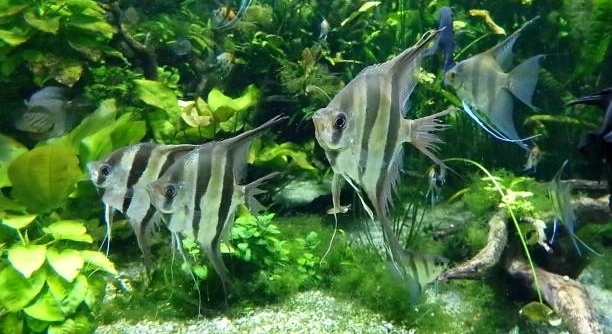
Angelfish are beautiful creatures that can bring a touch of elegance to any aquarium. However, if you notice your angelfish losing scales, it can be worrying. There are various reasons why this might be happening.
The main causes of scale loss in angelfish are injury, poor water conditions, parasites, or stress. A damaged tank environment or aggressive tankmates may also contribute to this issue. Monitoring your angelfish and its surroundings is key to preventing further damage.
Understanding these causes can help you address the problem early and maintain your angelfish’s health. Proper care and attention will make all the difference in keeping your fish happy and vibrant.
Injury or Physical Damage
Angelfish, like any other aquarium fish, can get hurt from various sources. Sometimes, sharp objects in the tank or aggressive tankmates can cause injury. These injuries may result in scales being lost or damaged. It’s crucial to inspect your tank for potential hazards.
Injuries from tankmates are quite common. Angelfish are known to be peaceful, but they can become victims of aggression from other fish, especially during feeding times or when territory is involved.
The scale loss from injury can often be repaired, but it’s important to treat the wound right away. Regular water changes and maintaining a peaceful environment will help your angelfish recover. If possible, separate any aggressive fish to allow the injured angelfish to heal. Pay attention to any signs of infection that may follow, as untreated injuries can lead to further health issues.
Poor Water Conditions
Water quality plays a huge role in the health of your angelfish. Low oxygen levels, improper pH, or harmful toxins can stress your fish and cause them to lose scales.
To prevent this, ensure the water parameters are suitable for angelfish. Regular water testing and proper filtration are key. Regularly cleaning the tank and maintaining the right temperature will help prevent scale loss.
Poor water conditions often cause your fish to weaken, making them more susceptible to infections and injuries. An aquarium with poor circulation or high levels of ammonia or nitrites can lead to serious health problems. In such environments, the fish will become stressed, and this stress can result in physical damage, including the loss of scales. Keeping your tank clean, and testing the water frequently for any imbalance, will provide your angelfish with the healthiest environment possible. This way, you can avoid scale loss and ensure they stay strong and vibrant.
Parasites
Parasites are a common cause of scale loss in angelfish. External parasites, such as ich or flukes, attach to the skin and can cause damage to the scales. This leaves your fish vulnerable and stressed.
Parasites can be introduced into your aquarium through new fish or contaminated equipment. Once present, they multiply quickly and can cause rapid damage. Infected angelfish may show symptoms such as rubbing against objects or flashing. Immediate treatment is necessary to prevent further damage.
To treat parasites, you may need to use medicated fish baths or adjust water temperatures. Quarantining new fish before introducing them to your main tank will also reduce the risk of parasite outbreaks.
Stress
Stress is often overlooked but is a significant factor in scale loss. Angelfish, like many fish, are sensitive to their environment. Stress from poor water quality, overcrowding, or incompatible tankmates can affect their health.
Stress weakens your fish’s immune system, making them more vulnerable to infections and injuries. Over time, stressed angelfish may lose scales as their bodies become unable to repair damage efficiently. A stressed fish will often show behavioral changes, such as hiding, erratic swimming, or rubbing against objects.
Maintaining a calm, stable environment with appropriate tank size, compatible tankmates, and regular water changes will reduce stress. Consider adding plants or decorations to offer hiding spaces and reduce tension in the tank. By preventing stress, you can help your angelfish thrive and avoid unnecessary damage.
Water Temperature Fluctuations
Temperature changes can cause stress to your angelfish, leading to scale loss. Rapid shifts in temperature weaken their immune system, making them more prone to diseases and injuries.
Angelfish are sensitive to temperature changes. Ensure the water stays within their ideal range of 75–82°F. Sudden drops or increases in temperature can damage their scales and stress them out.
Using a reliable heater and a thermometer will help maintain a stable environment for your fish. Avoid placing your aquarium in areas with drafts or direct sunlight that can cause temperature spikes.
Aggressive Tankmates
Aggressive tankmates may cause harm to your angelfish by nipping at their scales. This can result in injury or gradual scale loss.
When choosing tankmates, ensure they are peaceful. Avoid fish known for aggression, like certain cichlids or fin-nipping species. A well-balanced aquarium with compatible fish will prevent unnecessary stress and physical damage.
FAQ
Why is my angelfish losing scales?
Angelfish can lose scales for various reasons, including physical injuries, poor water quality, parasites, and stress. Injuries from other fish or objects in the tank can result in scale damage. Poor water conditions, such as high ammonia levels or incorrect pH, can weaken their immune system. Parasites like ich or flukes can also cause damage to the scales. Stress from overcrowding or aggressive tankmates may further exacerbate the problem. Identifying the cause early on can help you treat and prevent further damage.
How can I tell if my angelfish has parasites?
Parasites often cause visible symptoms like white spots on the skin, clamped fins, excessive rubbing against tank objects, or abnormal swimming behavior. If your angelfish is scratching itself or flicking its body against surfaces, it may be infected with external parasites. Additionally, a decrease in appetite or lethargy can indicate a parasitic infection. If you notice these symptoms, it’s important to act quickly to treat your fish with the appropriate medications.
What is the best way to treat injuries on my angelfish?
For minor injuries, it’s essential to maintain clean water conditions. A salt bath can sometimes help reduce irritation and prevent infection. You can use aquarium salt in a separate quarantine tank to help your fish heal. If the injury looks severe or shows signs of infection (such as redness, swelling, or pus), consider using an antiseptic or antibiotic treatment designed for fish. Isolate the injured angelfish to reduce stress and prevent further harm from tankmates.
Can poor water quality cause my angelfish to lose scales?
Yes, poor water quality is one of the most common reasons for scale loss in angelfish. When the water is polluted with high levels of ammonia, nitrites, or nitrates, it weakens the fish’s immune system, making them more susceptible to infections and injuries. Test your water regularly to ensure it is within the correct parameters for angelfish: a pH between 6.8 and 7.8, temperature between 75–82°F, and ammonia and nitrite levels at 0 ppm. Regular water changes and proper filtration are essential for maintaining a healthy environment.
How can I prevent stress in my angelfish?
To prevent stress in your angelfish, make sure they have a suitable tank environment. Keep the water clean and stable, avoiding rapid temperature or pH changes. Ensure your angelfish have plenty of hiding spots and space to swim. Avoid overcrowding the tank, and choose tankmates that are peaceful and compatible. Aggressive fish or fin-nippers can cause significant stress and physical harm. Additionally, providing a calm, quiet environment with minimal disturbances will help reduce stress and improve their overall health.
Are angelfish sensitive to temperature changes?
Yes, angelfish are sensitive to temperature fluctuations. Rapid changes in temperature can cause stress, weaken their immune system, and make them more susceptible to diseases and scale loss. The ideal water temperature for angelfish is between 75–82°F. Use a reliable aquarium heater and thermometer to maintain a stable temperature. Avoid placing the tank near windows, air conditioners, or heaters that could cause temperature shifts. Sudden drops or rises in temperature should be avoided to ensure the well-being of your angelfish.
How can I treat parasites in my aquarium?
To treat parasites, it’s important to first identify the type of parasite your angelfish is dealing with. For external parasites like ich, you can use over-the-counter treatments designed specifically for fish. These treatments often contain copper or formalin and are added to the water to kill the parasites. Raising the water temperature slightly (within safe limits) can also speed up the parasite’s lifecycle and make treatment more effective. Always follow the instructions on the medication carefully. Additionally, quarantining any new fish before introducing them to your main tank can help prevent future outbreaks.
What are the signs of injury in angelfish?
Injuries in angelfish can be obvious or subtle. You may notice visible cuts, torn fins, or missing scales. Your angelfish might also exhibit abnormal swimming patterns, such as erratic movements or rubbing against tank decorations. If there is bleeding or a wound appears infected, it’s essential to treat the injury promptly with salt baths or antiseptic solutions. If you suspect injury from aggressive tankmates, you may need to rearrange the tank or separate the fish causing the harm.
Is it necessary to quarantine new fish before introducing them to my tank?
Yes, quarantining new fish is highly recommended. New arrivals can carry parasites or diseases that may not show symptoms immediately. By keeping new fish in a separate tank for a few weeks, you can monitor their health and prevent potential problems from spreading to your main aquarium. Quarantining helps ensure that any issues are dealt with before the new fish interact with your existing angelfish.
How do I know if my angelfish is stressed?
Stressed angelfish may display a variety of signs. Common symptoms include hiding, erratic swimming, clamped fins, or loss of appetite. Stressed fish may also exhibit increased breathing rates or aggressive behavior. It’s important to monitor your angelfish closely and address any factors causing stress, such as poor water quality, aggressive tankmates, or overcrowding. Providing a calm, stable environment with appropriate care can help reduce stress and prevent scale loss.
Final Thoughts
Taking care of your angelfish requires paying close attention to their environment and health. Losing scales is often a sign that something is wrong, and understanding the cause can help prevent further damage. Whether it’s poor water quality, parasites, stress, or injury, each factor requires specific attention to fix. Regularly checking water parameters, ensuring your tank is clean, and observing your fish for any unusual behavior are important steps in keeping your angelfish healthy.
One of the best ways to prevent scale loss is by maintaining a stable environment. Angelfish are sensitive to changes, so keeping the temperature steady and avoiding drastic shifts in water conditions is essential. Providing the right tankmates is also crucial; peaceful, non-aggressive fish will ensure a calm environment, reducing the chances of stress or injury. If you notice any issues early on, such as visible damage or unusual swimming, act quickly to address them. This will help you avoid bigger problems down the line.
Lastly, always remember that the health of your angelfish relies on consistent care and observation. Small changes in their behavior or appearance can often be the first sign of something more serious. With proper maintenance, good water quality, and a peaceful environment, you can help your angelfish thrive and prevent scale loss. Regular monitoring, quick responses to issues, and maintaining a stress-free tank will ensure that your fish stay vibrant and healthy for years to come.

Hello,
If you enjoy the content that we create, please consider saying a "Thank You!" by leaving a tip.
Every little bit helps us continue crafting quality advice that supports the health, happiness, and well-being of pets around the world, for pets of all shapes, sizes, and species.
We really appreciate the kindness and support that you show us!