
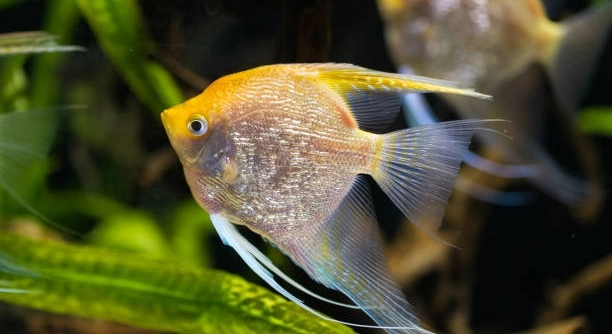
Angelfish are fascinating creatures, often gliding gracefully through the water, but sometimes they may hover near the bottom of the tank at night. If you’ve noticed this behavior, it might seem odd or concerning.
The primary reason your angelfish may hover near the bottom at night is due to stress, illness, or poor water conditions. In some cases, they may also be seeking rest or feeling vulnerable in the environment.
There are a few key factors that could explain this behavior, and understanding them will help you better care for your fish. With a closer look, you’ll discover what steps can ensure a healthier, happier angelfish.
Poor Water Quality
Water quality plays a crucial role in your angelfish’s behavior. If your tank’s water is too dirty, too warm, or improperly balanced, your angelfish might feel stressed or uncomfortable. They may try to escape the stress by staying near the bottom of the tank. A buildup of ammonia, nitrates, or nitrites can make your fish feel ill, leading them to hide. Make sure to test your tank water regularly for any imbalances. Keeping the water temperature stable and changing it weekly will help your angelfish feel safer and more comfortable.
The key to preventing poor water conditions is regular tank maintenance. Ensuring the filtration system is working properly will keep the water clean and oxygenated. Make sure to test for pH levels, ammonia, and nitrites to prevent any spikes.
To keep your angelfish happy and healthy, perform regular water changes and clean the tank regularly. Investing in a reliable water testing kit will give you peace of mind and help you catch any issues before they affect your fish.
Stress from Other Fish
Aggression from other fish in the tank could be a reason why your angelfish hovers near the bottom. If there are more dominant or territorial fish present, your angelfish may feel threatened. In response, they may seek shelter or try to avoid interactions.
Angelfish can be quite peaceful but may become stressed if bullied by other tank mates. Aggressive behavior, like chasing or nipping, will make them retreat to the bottom of the tank for safety. When choosing tank mates, it’s important to consider their temperament and compatibility with angelfish.
To ensure that your angelfish remains calm, make sure it has enough space and hiding spots. Sometimes, adding more plants or decorations can help reduce visible aggression. Additionally, if a fish is causing excessive stress, removing it from the tank might be the best option for your angelfish’s well-being.
Illness or Injury
If your angelfish is unwell or injured, it might hover near the bottom to rest or hide. Fish that are sick often retreat to a more secure, less active spot in the tank. Symptoms such as lethargy, discolored fins, or visible wounds could signal a health problem.
A common cause of illness in angelfish is parasites or bacterial infections. These infections can make them feel weak or vulnerable, causing them to seek shelter at the bottom. If you notice any changes in behavior, it’s essential to closely monitor them and consider quarantining them if needed.
Injury from tankmates or decorations can also make your angelfish retreat to the bottom. If a fish gets hurt, it may feel unsafe swimming around or risk further injury. Taking action quickly, such as separating the injured fish and providing proper care, can prevent long-term damage.
Temperature Fluctuations
Angelfish are sensitive to temperature changes, and an unstable tank environment may cause them to hover near the bottom. Cold water or sudden temperature shifts can slow down their metabolism and make them less active. Maintaining a stable temperature is crucial for their health.
Inconsistent temperatures can stress your fish and affect their immune system. If the water is too cold, angelfish might become sluggish or retreat to the bottom. This behavior may also be a sign that they’re trying to seek warmer water. Invest in a good heater and thermometer to keep the tank temperature within a safe range for your angelfish.
The ideal water temperature for angelfish is between 76°F and 82°F (24°C and 28°C). If you notice your fish hovering near the bottom more than usual, check the temperature, and ensure it’s within the proper range. Keeping the temperature stable can help prevent unnecessary stress and encourage normal behavior.
Poor Tank Setup
Your tank setup could be another reason why your angelfish hovers at the bottom. A tank that is too small or lacks adequate hiding spots may stress your fish. Angelfish need space to swim and places to hide when they feel unsafe.
Without enough space or shelter, angelfish can feel trapped, leading to stress. They may retreat to the bottom of the tank to avoid feeling exposed. Overcrowding can also limit their movement, making them feel confined.
Providing your angelfish with a larger tank and plenty of plants or decorations can help reduce stress. A well-planted aquarium gives your fish areas to explore and hide, promoting a healthier environment.
Inadequate Feeding
If your angelfish is underfed or not getting the right kind of food, it might be hovering near the bottom. Fish that are hungry may appear lethargic and less active. Feeding them a balanced diet is important for maintaining energy levels.
Feeding them too little or offering food that lacks nutrients can lead to weight loss, poor health, and behavior changes. Overfeeding, on the other hand, can lead to water quality issues. Both extremes are harmful to your fish.
The right amount of food for your angelfish is crucial for maintaining its overall health. A mix of quality flakes, pellets, and live foods will give them the nutrition they need.
Lighting Issues
Lighting plays a significant role in your angelfish’s activity level. If the tank lighting is too bright or too dim, your angelfish might feel stressed or disoriented, leading them to stay at the bottom. Proper lighting is essential for a balanced environment.
Too much light can make your fish feel exposed, while too little can prevent them from seeing food or interacting with their environment. A consistent light cycle helps maintain normal behavior patterns.
FAQ
Why is my angelfish staying near the bottom of the tank at night?
Angelfish may hover near the bottom at night due to several reasons, including stress, illness, or poor water conditions. If the tank’s environment isn’t optimal, your fish may feel more comfortable resting at the bottom. It’s essential to check the water quality, temperature, and ensure no aggressive tankmates are causing them stress.
How can I tell if my angelfish is sick?
Sick angelfish often display symptoms such as changes in behavior, loss of appetite, visible wounds, discoloration, or clamped fins. They might also appear lethargic or hide more often than usual. If you notice these signs, it’s crucial to isolate the fish and monitor its condition closely, ensuring you provide the appropriate treatment for the illness.
What should I do if my angelfish is stressed?
To reduce stress, first check the water quality and temperature. Ensure the tank is properly filtered and that the water is clean. Adding more hiding spots or plants can help your angelfish feel more secure. Also, avoid overcrowding the tank, as this can add to their stress levels. If the stress is due to other tankmates, consider separating aggressive fish.
Can my angelfish be injured by other fish?
Yes, angelfish can be injured by more aggressive or territorial fish. These injuries may not always be visible but can affect your fish’s behavior. If you notice your angelfish acting more reclusive or hovering near the bottom, check for any signs of bullying or aggression from other tankmates. In severe cases, you may need to move the angelfish to a separate tank for its recovery.
What is the ideal temperature for angelfish?
Angelfish thrive in water temperatures between 76°F and 82°F (24°C and 28°C). Maintaining a consistent temperature within this range is important for their overall health and well-being. Fluctuations can cause stress or affect their immune system. Invest in a good aquarium heater and thermometer to keep the water temperature stable.
Can my angelfish survive in cold water?
Angelfish are tropical fish and prefer warmer waters. Cold water can cause them to become sluggish, stressed, and more susceptible to illness. If the water is too cold, your angelfish may hover near the bottom as a way of conserving energy. Keeping the tank temperature within the recommended range is crucial for their health.
Is it normal for angelfish to stay near the bottom during the day?
Angelfish typically swim in the middle to top part of the tank during the day. If your angelfish is staying near the bottom consistently, it could be a sign of stress, illness, or poor water conditions. Monitor your fish and check for any abnormalities in the tank, such as unclean water or aggressive tankmates.
How often should I change the water in my angelfish tank?
You should change about 25% to 30% of the water every week. Regular water changes help maintain good water quality, remove excess waste, and prevent toxic buildups. Be sure to use a water conditioner to remove chlorine or chloramine, and always match the new water’s temperature with the tank’s water.
How can I improve the water quality in my angelfish tank?
To improve water quality, make sure the tank has proper filtration and aeration. Regularly clean the filter and remove debris. Test the water for pH, ammonia, nitrites, and nitrates, and keep the levels within safe ranges for your fish. Using a gravel vacuum during water changes will help remove waste from the substrate.
What are the signs that my angelfish is not getting enough food?
If your angelfish isn’t getting enough food, it might appear lethargic or thin. It may also spend more time near the bottom, searching for food. A healthy angelfish should be active and show interest in the food provided. If your fish isn’t eating, it could be a sign of poor water quality, stress, or illness.
Should I remove aggressive fish from the tank?
If you notice that certain fish are consistently bullying or stressing your angelfish, it’s best to remove them. Aggression can lead to long-term health issues for your angelfish and may even result in injury. Consider rehoming the aggressive fish or moving it to a separate tank if needed.
Can too much light affect my angelfish?
Yes, too much light can stress your angelfish. If the light is too bright or left on for too long, it can cause them to feel exposed and anxious. Try to provide a natural day-night cycle, with 10-12 hours of light each day. Using dim lighting or plants for shaded areas can also help your angelfish feel more secure.
What is the best tank setup for angelfish?
Angelfish need a tank with plenty of space to swim and hide. A 30-gallon tank or larger is ideal for a pair of angelfish. Include plants, driftwood, or rocks to create hiding spots and territories. A well-maintained filter and aeration system will help keep the water clean and oxygenated for your fish.
Final Thoughts
Understanding why your angelfish might be hovering near the bottom at night can help you create a better environment for them. Stress, poor water quality, and illness are common reasons for this behavior. Sometimes, angelfish just need a little extra care to feel secure and healthy in their tank. Regular tank maintenance, like cleaning the water and providing plenty of hiding spots, is crucial to preventing problems. Monitoring the water temperature and ensuring it stays within the right range also helps avoid stress that might cause your fish to act differently.
It’s important to consider the social dynamics of your tank as well. Aggressive tankmates can create a stressful environment, leading to your angelfish seeking refuge at the bottom. If you’re noticing more aggressive behavior, it might be worth rethinking the tank’s population or removing certain fish. Angelfish are generally peaceful and prefer calm surroundings, so giving them enough space and choosing compatible companions will go a long way toward keeping them happy and healthy. A well-thought-out tank setup with hiding places and decorations can make a big difference.
Lastly, don’t ignore any signs of illness. Fish don’t always show symptoms until they’re quite sick, so it’s essential to keep an eye on their behavior and appearance. If your angelfish is staying at the bottom more often than usual, it could be a sign of a deeper issue. Regularly checking the water quality, keeping an eye on your fish’s health, and providing them with proper nutrition are all key to ensuring they thrive in their environment. With a little attention and care, your angelfish can live a long and healthy life.

Hello,
If you enjoy the content that we create, please consider saying a "Thank You!" by leaving a tip.
Every little bit helps us continue crafting quality advice that supports the health, happiness, and well-being of pets around the world, for pets of all shapes, sizes, and species.
We really appreciate the kindness and support that you show us!