
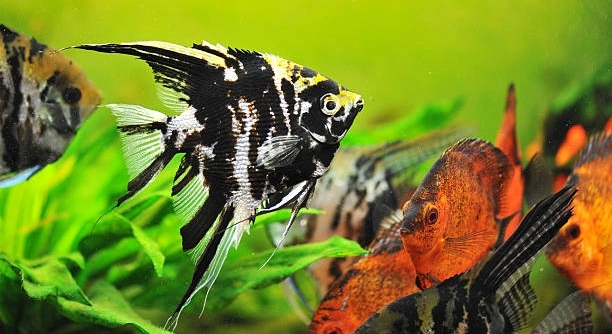
Angelfish are popular and beautiful additions to home aquariums, but they can sometimes face challenges in their tank environment. If your angelfish is being bullied by other fish, it’s important to understand the causes behind the behavior.
Fish bullying can occur due to territorial disputes, overcrowding, or incompatibility with tankmates. Aggressive fish may target weaker or more passive angelfish, leading to stress, injury, or illness. Identifying the root cause can help prevent further harm.
By recognizing the factors contributing to this behavior, you can improve your angelfish’s living conditions. This guide will explore seven common reasons your angelfish might be getting bullied and offer tips to create a peaceful environment.
1. Aggressive Tankmates
Aggressive fish are a common reason behind your angelfish’s bullying. Some species are naturally territorial and will act aggressively toward other fish they see as a threat to their space. Fish like cichlids, barbs, and certain tetras are known for their aggressive behavior and may harass your angelfish. Angelfish are generally peaceful, but when placed with more dominant or assertive species, they can quickly become targets.
Sometimes, fish will start bullying simply because they are bigger or stronger, or they might feel insecure about the tank’s setup. If an angelfish is smaller or less confident, it may not be able to defend itself effectively. This could result in constant chasing, nipping, and even physical damage.
To prevent this, carefully consider which fish you place with your angelfish. Choose species that are not overly territorial or aggressive. Ensure your tank has plenty of hiding spots and plants to allow all fish to establish their own safe spaces.
2. Tank Size and Overcrowding
When your aquarium is overcrowded, fish are forced into closer quarters than they might like. This can cause stress and lead to bullying, as fish compete for space and resources like food. Smaller tanks are particularly prone to this problem.
Overcrowding often leads to higher stress levels in all the fish, and this can cause more aggressive behaviors. In a cramped environment, fish are more likely to fight for space, and angelfish are no exception. When fish are constantly in close contact, it’s harder for them to find peace and quiet.
To avoid this issue, make sure your tank is large enough to comfortably house your angelfish and other fish. A good rule of thumb is to allow at least 10 gallons of water for each angelfish. Providing ample space reduces stress and can help prevent bullying.
3. Poor Water Quality
If the water quality in your tank is poor, it can stress out all your fish, including your angelfish. Low oxygen levels, high ammonia, or an improper pH balance can make the fish more irritable. This stress can lead to aggressive behavior, including bullying.
When the water isn’t up to standard, fish struggle to thrive and become more vulnerable to illness. The combination of stress and a weakened immune system can cause fish to lash out at others. Your angelfish might get bullied simply because they are weaker or stressed from the poor water conditions.
To prevent this, perform regular water changes, check your filter system, and monitor water parameters such as temperature, ammonia, and pH. Keeping the water clean helps reduce stress and aggression, allowing your fish to live peacefully together.
4. Lack of Hiding Spots
Angelfish need places where they can retreat and feel safe. Without adequate hiding spots, they may become targets for other fish. Hiding spots provide refuge, especially when they need a break from any bullying or stress in the tank.
If there are not enough plants, rocks, or decorations, your angelfish will have no place to escape when other fish become aggressive. This lack of security can make them feel constantly threatened. Fish that feel unsafe are more likely to be bullied or chase others as a way to defend themselves.
To create a more peaceful tank, add more plants and decorations that provide shelter. Consider using caves, rocks, or live plants to ensure your angelfish has somewhere to hide and reduce the likelihood of bullying.
5. Incompatible Species
Some fish species just don’t mix well with angelfish. Aggressive or highly territorial fish can cause problems. Certain species are more likely to bully, either because of their size or dominant nature, making it tough for angelfish to feel safe.
When choosing tankmates, be sure to pick species that have a calm temperament. Fish that are too aggressive or large can easily outcompete your angelfish for resources, making them more likely to pick on your fish. To maintain harmony, ensure the tank’s occupants are compatible and consider the size and behavior of each species.
6. Overfeeding
Overfeeding can lead to more than just unhealthy water quality; it can also cause aggression in your tank. When food is plentiful, some fish may fight over it, leading to bullying.
Excess food can contribute to a messy environment and stressed fish. Not only can it cause water quality problems, but it may also make fish more competitive. Angelfish might face bullying from other fish who become more aggressive when food is in excess. Ensure that you feed your fish just enough, avoiding overfeeding to keep the peace.
7. Breeding Behavior
Breeding can trigger aggressive behavior in angelfish, particularly during mating seasons. They may become more territorial and protective, which can lead to bullying other fish. This is especially true if there are multiple males or females in the same tank.
During breeding, angelfish will guard their eggs or fry, which might result in them chasing or nipping at tankmates. It’s a natural instinct to protect their offspring, but it can create tension and aggression in the tank. If this behavior becomes problematic, consider separating the breeding pair to reduce conflict.
FAQ
How do I know if my angelfish is being bullied?
Signs that your angelfish might be getting bullied include constant hiding, damaged fins, or visible stress marks like faded colors. You may also notice your angelfish swimming erratically or avoiding certain areas of the tank. If you observe aggressive behavior like chasing, nipping, or cornering, these are all indications of bullying. Keep a close eye on interactions between your angelfish and other tankmates to spot any aggressive tendencies early. If the bullying persists, the angelfish may become stressed, which can lead to weakened immunity and illness.
Can bullying cause my angelfish to die?
Yes, bullying can lead to serious health issues for your angelfish. Constant stress from bullying weakens the immune system, making the fish more susceptible to diseases. In some cases, physical damage caused by bullying, such as torn fins or wounds, can become infected. If left unchecked, this can lead to the death of your angelfish. It’s crucial to address bullying early to prevent long-term harm and ensure the health and well-being of all your fish.
What should I do if my angelfish is being bullied?
First, you should assess the cause of the bullying. If it’s a more aggressive tankmate, consider removing the bully or relocating your angelfish to a more peaceful environment. Adding more hiding spots and decorations to the tank can also provide a sense of security for your angelfish. Reducing stress by maintaining proper water quality and adjusting the tank size might also help. If bullying persists despite these changes, consider separating the problematic fish and angelfish into different tanks.
Can I add more angelfish to my tank if one is being bullied?
Adding more angelfish to the tank can sometimes help, but it’s important to consider the size of your aquarium and the behavior of other tankmates. If there are aggressive fish in the tank, adding more angelfish could increase competition for space and food, potentially leading to more bullying. If you add more angelfish, make sure the tank is large enough and there are enough hiding spots. Additionally, be mindful of the gender balance, as more males in a tank can lead to territorial behavior. Always monitor the interactions closely to ensure that no new bullying arises.
How do I reduce aggression between my angelfish and other fish?
To reduce aggression, carefully select tankmates that are peaceful and compatible with angelfish. Avoid keeping highly territorial or aggressive fish with your angelfish. Make sure your tank has enough space, and provide plenty of hiding spots so each fish can find its own territory. Maintaining clean, balanced water quality will help reduce stress, as poor water conditions can make fish more aggressive. Regular feeding schedules can also minimize competition for food, reducing the chance of aggression. If you continue to have issues, you may need to re-arrange tank decorations or even separate the aggressive fish from the angelfish.
What are the best tankmates for angelfish?
Some of the best tankmates for angelfish are peaceful species like tetras, corydoras catfish, or certain species of gouramis. Fish that are calm and do not compete aggressively for resources tend to make the best companions for angelfish. Avoid keeping them with fin-nippers or territorial species, as these can stress your angelfish and lead to bullying. Also, consider the size of the fish; smaller fish can be seen as prey, while larger fish might intimidate your angelfish. Always research the behavior of any potential tankmate before introducing them.
Is it necessary to separate a bullied angelfish?
If the bullying is severe and the bullied angelfish shows signs of stress, injury, or illness, it may be necessary to separate it from the aggressive fish. Setting up a quarantine tank or moving the bullied angelfish into a calmer environment can give it time to recover. This allows the angelfish to regain strength and reduce stress before reintroducing it to the main tank. If bullying continues despite separating the fish, further adjustments to the tank setup or tankmates might be required.
How can I prevent bullying in the future?
Preventing bullying starts with setting up the tank environment carefully. Ensure there is enough space, hiding spots, and territories for all fish. Avoid keeping aggressive or territorial fish with your angelfish. Regularly monitor water quality to prevent stress-related aggression. When adding new fish, always consider their temperament and compatibility with angelfish. Introducing tankmates gradually and monitoring interactions can help prevent bullying. If aggression does arise, taking quick action, like removing the aggressor or rearranging the tank, can stop the behavior before it becomes a serious issue.
What are some signs of stress in angelfish?
Angelfish show signs of stress in a variety of ways. Some common symptoms include faded colors, unusual swimming patterns, or constant hiding. Stressed angelfish may also refuse food or appear lethargic. You may notice them becoming more aggressive or excessively shy. Stress can be caused by a variety of factors, including bullying, poor water quality, or overcrowding. Monitoring these behaviors closely can help you identify stress early, allowing you to address the issue before it escalates. Regular tank maintenance and observing your fish regularly will keep them healthy and happy.
Final Thoughts
Angelfish are peaceful and beautiful fish, but like any other species, they can face challenges in a tank environment. If you notice your angelfish being bullied, it’s important to address the issue quickly to prevent stress and potential harm. Bullies in the tank can cause a lot of damage, both physically and emotionally, to your angelfish. While some level of competition is normal, constant bullying can lead to health problems and even death. By recognizing the signs of bullying early, you can take the necessary steps to protect your fish and restore balance to your aquarium.
One of the first steps in preventing bullying is choosing the right tankmates. Angelfish thrive best with calm, peaceful fish. Avoid species that are too territorial or aggressive, as they will create unnecessary stress for your angelfish. The size of your tank also plays a significant role in the behavior of your fish. A cramped environment can cause more aggression as fish struggle to share space. Ensuring that your tank is large enough for your fish and that there are plenty of hiding spots can help keep everyone comfortable and reduce the chances of bullying.
Ultimately, creating a peaceful and harmonious aquarium environment requires ongoing care and attention. Regular water changes, checking for compatibility between tankmates, and ensuring there is enough space for all your fish are key steps in maintaining a healthy tank. If bullying does occur, it’s important to act quickly by removing the aggressive fish or giving your angelfish a safe space to recover. By doing so, you’ll help create a better environment for your angelfish and all the other fish in your tank. Taking these precautions and monitoring their behavior will ensure your fish are happy, healthy, and thriving for years to come.

Hello,
If you enjoy the content that we create, please consider saying a "Thank You!" by leaving a tip.
Every little bit helps us continue crafting quality advice that supports the health, happiness, and well-being of pets around the world, for pets of all shapes, sizes, and species.
We really appreciate the kindness and support that you show us!