
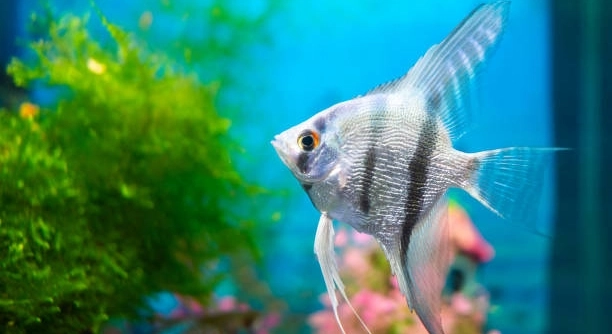
Angelfish are beautiful creatures in any aquarium, but sometimes they might float at the top of the tank. This behavior can be worrying for any fish keeper. Understanding why this happens is key to keeping your angelfish healthy.
The most common reasons for angelfish floating at the top of the tank include poor water quality, improper water temperature, and swim bladder issues. These factors can cause stress and discomfort, leading the fish to stay near the surface.
Identifying the cause of your angelfish’s behavior is essential for its well-being. We’ll walk through each reason and offer helpful tips to get your fish back to its healthy, normal routine.
Poor Water Quality
Angelfish are sensitive to water quality, and poor conditions can stress them out. If your aquarium has high levels of ammonia, nitrites, or nitrates, your fish may float at the surface, trying to escape the polluted water. It’s important to monitor water parameters regularly to keep them in the safe range. Ammonia and nitrite should always be at zero, while nitrates should be below 20 ppm.
Regular water changes are essential for maintaining healthy water conditions. Make sure your tank’s filtration system is working efficiently to help remove waste. You may also want to invest in a water testing kit to track any changes in water chemistry.
If your angelfish is constantly near the surface, it’s a good idea to test your water right away. If levels are off, perform a water change and clean the filter to improve water quality. Keeping water conditions stable will help prevent stress and promote a healthier environment for your fish.
Incorrect Water Temperature
Angelfish are tropical fish that prefer warm water, typically between 76°F and 82°F. If the water temperature drops below this range, your angelfish may try to float near the top where it’s warmer. Cold water can slow down their metabolism, leaving them weak and stressed.
If you notice your fish floating at the top and the water feels too cold, adjust your aquarium heater. Ensure the temperature stays within the ideal range to keep your fish active and healthy. Use a reliable thermometer to keep track of any temperature fluctuations.
A sudden change in temperature can also cause stress, so try to avoid drastic adjustments. Keeping the tank’s temperature stable ensures your angelfish remain comfortable and lowers the risk of health issues. A consistent environment is key to a healthy aquarium.
Swim Bladder Problems
Swim bladder disease is a common reason why angelfish may float at the top of the tank. This condition affects the fish’s ability to control its buoyancy, causing it to stay near the surface. The swim bladder can become swollen or inflamed due to infection, poor diet, or even physical injury.
If your angelfish is struggling with swim bladder issues, it may show other signs such as swimming sideways or upside down. Treatment can vary depending on the cause. Some cases improve with a change in diet, such as feeding them high-fiber foods like peas. In more severe cases, medication might be needed.
In addition to diet changes, you can try reducing stressors in the tank, such as loud noises, other aggressive fish, or sudden temperature changes. Maintaining stable water conditions will help reduce the risk of swim bladder problems and improve your fish’s overall health. Keep an eye on your angelfish to monitor improvements.
Overfeeding
Overfeeding is another reason your angelfish might be floating at the top of the tank. When fish consume more food than they can process, the extra waste can lead to digestive problems. Excess food can also create water quality issues, further stressing your fish.
Feeding your angelfish only what they can eat in a few minutes helps prevent overfeeding. Make sure to remove any uneaten food to avoid polluting the water. Overfeeding can lead to swim bladder issues and other health problems, making it important to monitor portion sizes. Feed small amounts at regular intervals rather than one large feeding session.
A proper feeding routine is essential for keeping your fish healthy and the tank clean. Reducing overfeeding will not only improve your angelfish’s condition but also prevent water quality issues, keeping the aquarium environment stable for all the fish.
Stress
Stress can cause your angelfish to float at the top of the tank. Factors like overcrowding, aggressive tank mates, or sudden changes in water parameters can all contribute to stress. When fish feel threatened, they often try to find a safe spot near the surface.
To reduce stress, ensure your tank has enough space for your fish. Aggressive fish should be removed, and tank decorations can provide hiding spots for your angelfish. Keep water conditions stable, and avoid making sudden changes to the tank setup. Monitoring your fish’s behavior can help you spot stressors early.
If your angelfish continues to float at the surface despite improvements, it’s important to assess the entire tank environment. Stress can compromise the immune system, making the fish more vulnerable to illness. Create a peaceful, balanced environment to keep your fish calm and healthy.
Illness
Sometimes, illness can be the reason your angelfish is floating at the top of the tank. Parasites, bacteria, or fungal infections can all lead to unusual behavior. If the fish is showing other symptoms like discoloration, abnormal swimming patterns, or lesions, it may be a sign of an underlying disease.
A proper diagnosis is key in treating your fish. If you suspect illness, isolate the infected fish and start with basic treatments like salt baths or medicated food, depending on the symptoms. Consult an aquarium professional if symptoms persist for an accurate diagnosis.
Treating illness early can prevent further complications and ensure the overall health of the tank. Make sure the water conditions are optimal to avoid weakening the immune system. Keeping an eye on your fish’s behavior can help you identify any health issues before they become serious.
FAQ
Why is my angelfish floating at the top of the tank?
There are several reasons your angelfish might be floating at the top. The most common causes include poor water quality, swim bladder disease, or stress. Other factors like overfeeding, temperature fluctuations, or illness could also lead to this behavior. To identify the problem, check the water conditions first, as they can directly impact your fish’s health. If water quality is fine, consider looking into the fish’s diet and any potential signs of illness.
What should I do if my angelfish is staying at the surface?
If your angelfish is staying at the surface, first check the water quality. Ammonia, nitrites, or high nitrate levels can stress your fish and cause them to float at the top. Perform a water change and clean the filter. Next, check the temperature to make sure it’s within the recommended range for angelfish (76°F to 82°F). Also, evaluate your fish’s diet, as overfeeding can lead to swim bladder issues. Lastly, check if there’s any aggressive behavior from other tank mates that might be stressing your fish.
Can swim bladder disease be treated?
Yes, swim bladder disease can be treated, but it depends on the cause. If the problem is due to overfeeding or constipation, offering a pea or reducing feeding amounts can help. If it’s caused by infection, medicated food or treatments can help. In more severe cases, consulting an aquarium vet may be necessary. Keeping your angelfish’s environment stable is key to preventing future issues. In many cases, mild swim bladder problems can improve with diet adjustments and water quality improvements.
How do I prevent overfeeding my angelfish?
To prevent overfeeding, only give your angelfish what they can consume in a few minutes. This ensures that there is no leftover food to pollute the water. Feed smaller portions throughout the day rather than one large feeding. It’s easy to overfeed without realizing it, especially since angelfish are not always immediate eaters. A good rule of thumb is to observe your fish eating; if they leave food behind, you’re likely feeding too much. Be consistent with feeding times, and remove any uneaten food promptly.
Can temperature changes affect my angelfish?
Yes, sudden temperature changes can stress your angelfish, leading to behaviors like floating at the top of the tank. Angelfish are tropical fish that need a stable temperature between 76°F and 82°F. If the water becomes too cold or fluctuates too much, it can weaken their immune system, leading to illness or buoyancy issues. Use a reliable aquarium heater and thermometer to maintain a constant, comfortable temperature for your fish. Avoid drastic temperature changes by making gradual adjustments to the tank’s heat settings.
How do I know if my angelfish is stressed?
Stressed angelfish may display signs such as staying at the surface of the tank, hiding in corners, or swimming erratically. They may also stop eating or become more aggressive toward tank mates. Common stressors include overcrowding, poor water quality, or aggressive tank mates. Ensure the tank has enough space for all fish, avoid overstocking, and provide hiding spots to help reduce stress. Monitor the fish’s behavior and make necessary changes to the tank environment to create a peaceful setting.
What can cause my angelfish to lose its color?
Loss of color in angelfish is often a sign of stress, illness, or poor water quality. If your fish is floating at the top and appears faded, it may be struggling with its environment. Water parameters like pH, ammonia, nitrites, and nitrates should be checked and adjusted. Additionally, stress from poor tank mates, improper diet, or overcrowding can cause color loss. If your angelfish’s coloration does not return after addressing water and tank conditions, you may want to consult a vet to rule out illness.
Can I treat my angelfish with aquarium salt?
Yes, aquarium salt can help treat minor injuries or external parasites on your angelfish. It’s also used to relieve stress and improve gill function, especially when fish are in an unbalanced environment. However, using salt should be done carefully, as too much can harm plants or invertebrates in the tank. When treating swim bladder issues or minor illnesses, add salt in small doses and monitor your fish closely. Always read the manufacturer’s instructions and research the appropriate salt use for your specific tank setup.
How can I make sure my angelfish are getting the right amount of food?
To ensure your angelfish are getting the right amount of food, offer a variety of high-quality foods that meet their nutritional needs. Feed small portions that they can consume within 2-3 minutes. This helps prevent overfeeding, which can lead to swim bladder problems. It’s important to feed your angelfish a balanced diet, which can include flakes, pellets, and occasional live or frozen foods like brine shrimp. Avoid overfeeding by being consistent with portion sizes and removing any uneaten food after feeding. This helps maintain both the health of your fish and the quality of the water.
What are the symptoms of swim bladder disease in angelfish?
The most noticeable symptoms of swim bladder disease in angelfish include floating at the surface, difficulty swimming, or swimming upside down. You may also see your fish swimming sideways or struggling to maintain its position in the water. This can be caused by constipation, infection, or physical injury to the swim bladder. If you notice these symptoms, start by adjusting your fish’s diet. If there’s no improvement, consider consulting a vet or using specialized treatments to address the condition.
Final Thoughts
If your angelfish is floating at the top of the tank, it’s important to look into the possible causes and address them promptly. Water quality, temperature, and stress are the most common reasons for this behavior. Checking and adjusting the water conditions is often the first step. If your fish is still floating after improving water quality, you may need to consider other factors like diet or possible illnesses. It’s crucial to stay on top of tank maintenance to keep your fish happy and healthy.
Swim bladder disease, for instance, can be a tricky issue to resolve, but with patience and proper care, many angelfish recover. If overfeeding is the problem, reducing the amount of food and offering the right types of food can make a big difference. Make sure to observe your fish closely so you can notice any changes in behavior. If the issue persists, it might be worth consulting an aquarium expert or a vet who specializes in fish health. Proper diet, stable water conditions, and careful monitoring can help prevent swim bladder issues in the future.
Above all, keeping your angelfish in a calm and stable environment is key. They are sensitive to stress, and any sudden changes can lead to problems. By managing tank conditions and watching for signs of illness, you can help your angelfish feel comfortable and thrive in their home. Healthy, happy fish are more likely to stay active and swim as they should. If you catch issues early, you can usually find a solution that works and restores balance to your tank.

Hello,
If you enjoy the content that we create, please consider saying a "Thank You!" by leaving a tip.
Every little bit helps us continue crafting quality advice that supports the health, happiness, and well-being of pets around the world, for pets of all shapes, sizes, and species.
We really appreciate the kindness and support that you show us!