
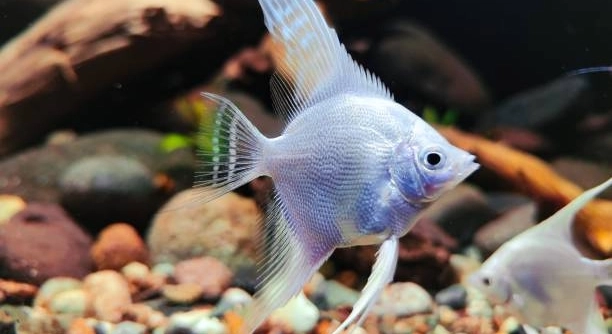
Angelfish are known for their vibrant colors and peaceful nature. However, when they refuse certain foods, it can be a bit concerning. There are several reasons why this might be happening, and it’s important to understand them.
Angelfish may avoid certain foods due to factors such as water conditions, food preferences, stress, or illness. Changes in their environment or diet can also contribute to this behavior. Identifying the root cause is essential for addressing the issue.
Understanding these factors will help you ensure that your angelfish are healthy and happy, while also encouraging them to enjoy their meals again.
Water Conditions May Be Affecting Your Angelfish’s Appetite
Water conditions play a significant role in the feeding habits of angelfish. If the water is too cold, too warm, or has an incorrect pH level, angelfish may not be as eager to eat. The quality of the water can also influence their appetite. Ammonia or nitrate levels that are too high will cause stress and may result in reduced feeding. Ensure that the temperature is between 76-82°F, with a pH of 6.8-7.8, and test the water regularly. Maintaining the right conditions promotes a healthier environment for your fish, encouraging them to eat properly.
Water changes and consistent monitoring are essential to ensuring that your angelfish are comfortable. If they’re avoiding food, check the water for any imbalances. Once corrected, they are more likely to return to their normal eating habits.
Water plays a crucial role in their overall health. Poor water quality can lead to long-term health issues, further affecting their feeding behavior. Keeping your tank clean and maintaining optimal water parameters are key steps in making sure your angelfish feel safe and can eat well.
Food Preferences May Be the Issue
Angelfish can be particular about what they eat. Some may refuse certain types of food simply because they don’t like the taste or texture. Try offering a variety of foods, such as flakes, pellets, or live foods, to see what they prefer. It’s important to rotate their diet to keep them interested and avoid getting stuck on a single food item.
If your angelfish aren’t eating, it may be due to the type of food being offered. Try different options and see what sparks their interest. Variety is key.
Introducing new food options could help you identify their preferences. Just like humans, fish have their own likes and dislikes, and experimenting can lead to better results in getting them to eat consistently.
Stress and Anxiety Can Affect Feeding
Angelfish are sensitive to changes in their environment. Any sudden movements, loud noises, or changes in tank mates can cause stress, which might lead to them refusing food. A peaceful, stable environment is crucial for their well-being. Stress can weaken their immune system, making them more prone to illness, which can further impact their appetite. Try to maintain a calm, quiet atmosphere around the tank to reduce stress.
If your angelfish are stressed, try to identify what might be causing the issue. Factors such as overcrowding or aggressive tank mates can lead to anxiety. Ensuring their tank is a peaceful environment will help them feel safe and encourage them to eat.
Pay attention to the signs of stress, like hiding or erratic swimming. When angelfish feel threatened, they may avoid food until they feel secure. Keeping your tank calm and consistent will support their health and eating habits.
Illness or Injury Could Be the Cause
If your angelfish is sick or injured, they may stop eating. Symptoms of illness, such as lethargy, discoloration, or visible wounds, could indicate underlying health problems. Illness weakens their appetite and overall behavior. When treating a sick fish, make sure to isolate them to prevent the spread of disease and provide proper treatment.
Checking for visible signs of illness can be helpful. Common conditions like ich or fin rot may reduce your angelfish’s desire to eat. Regularly monitoring their condition and treating health issues promptly can improve their feeding habits.
An injured or sick angelfish may not show immediate interest in food. Their body will prioritize recovery over feeding, which can affect their appetite. If you notice any signs of illness, seek treatment as soon as possible to help your fish recover and return to their usual feeding routine.
Tank Conditions and Overfeeding
Overfeeding can lead to poor water quality, which may discourage your angelfish from eating. Leftover food can decompose and pollute the tank, causing an increase in harmful substances. Regularly remove uneaten food to maintain a clean tank, ensuring your fish feel comfortable enough to eat.
A buildup of uneaten food can create toxic levels of ammonia or nitrites in the water. Angelfish are particularly sensitive to these changes. Adjust your feeding habits to avoid excess food and maintain a balanced diet for your fish. Proper tank management is essential for their health and feeding behavior.
Water Temperature Fluctuations
Sudden temperature changes can stress angelfish and affect their feeding. Keeping the water temperature consistent, within the recommended range of 76-82°F, is essential for their comfort. Fluctuations in temperature can cause fish to become inactive and lose interest in food. Use a reliable heater to maintain a steady environment.
Tank Mate Compatibility
Aggressive or incompatible tank mates can intimidate angelfish and prevent them from eating. A peaceful community tank is ideal for encouraging your angelfish to feed. If aggression is present, consider rearranging the tank or moving aggressive fish to another setup. This reduces stress and helps your angelfish feel safe enough to eat.
FAQ
Why is my angelfish avoiding food?
There are a few reasons why your angelfish might be avoiding food. Water conditions, stress, illness, or injury can all impact their appetite. Poor water quality, fluctuating temperatures, or an unbalanced diet could cause your fish to lose interest in eating. Additionally, angelfish are sensitive creatures and can be stressed by sudden changes in their environment, such as new tank mates or loud noises. Identifying the root cause is essential to resolving the issue. Monitoring their health, maintaining water quality, and reducing stress can encourage your angelfish to eat again.
How do I know if my angelfish is sick?
Sick angelfish often exhibit visible signs, such as lethargy, changes in color, or abnormal swimming patterns. You may also notice physical symptoms like torn fins, swelling, or white spots on the skin. If your fish appears to be hiding or is not eating, this can also indicate illness. It’s important to monitor for any of these symptoms closely and take action quickly. Isolating the sick fish in a separate tank and seeking appropriate treatment can prevent the illness from spreading and help your angelfish recover.
Can overfeeding cause my angelfish to stop eating?
Yes, overfeeding can lead to poor water quality, which may cause your angelfish to avoid food. Uneaten food decays and releases toxins into the water, leading to an increase in ammonia, nitrites, and nitrates. This can stress your fish and disrupt their feeding habits. It’s important to only feed your angelfish as much as they can consume within a few minutes and remove any leftover food promptly. Regular water changes and proper tank maintenance can also help prevent overfeeding issues.
What should I do if my angelfish is not eating?
If your angelfish is not eating, first check the water quality and temperature. Ensure the water is within the recommended range (76-82°F) and that the pH level is stable. Next, examine your angelfish for signs of illness or injury. Look for any symptoms like discoloration or lesions. Consider whether any changes in their environment, such as new tank mates or decorations, may be causing stress. Lastly, offer a variety of foods to see if they prefer one over the others. If these adjustments don’t work, consult an aquarium professional for further guidance.
How often should I feed my angelfish?
Angelfish should be fed once or twice a day. It’s important to feed them small amounts that they can finish within a few minutes to avoid overfeeding and food waste. Feed a variety of foods, including high-quality pellets, flakes, and live or frozen foods like brine shrimp or bloodworms. Regularly rotating their diet will help keep them interested in eating. Make sure not to overfeed, as this can harm both the water quality and your angelfish’s health.
Can tank mates affect my angelfish’s appetite?
Yes, the presence of aggressive or incompatible tank mates can lead to stress, which may cause your angelfish to stop eating. Angelfish are peaceful by nature, and if they feel threatened, they may hide or become too anxious to eat. To reduce this, ensure your tank mates are compatible with angelfish. Consider keeping peaceful fish, and if aggression occurs, rearrange the tank layout or move the aggressive fish to another tank. A calm and stress-free environment is essential for encouraging your angelfish to eat.
Why is my angelfish not eating but still active?
If your angelfish is still active but not eating, the issue might be related to stress or food preference. Stressful environmental factors such as water quality problems, tank overcrowding, or aggressive tank mates can reduce their appetite. If there are no signs of illness, the problem may be related to food preferences. Try offering different types of food to see if your angelfish will eat something else. Keep the water clean and ensure the environment is peaceful to encourage better eating habits.
Is it normal for angelfish to fast occasionally?
Yes, angelfish may fast occasionally, especially if they are stressed or adjusting to new surroundings. A temporary loss of appetite isn’t usually a cause for concern, but it should be monitored. If the fasting continues for several days, or if the fish shows other signs of illness, further investigation is needed. Ensure that the water conditions are ideal, and the fish isn’t stressed by their environment. Occasional fasting is common, but prolonged lack of eating could indicate a health problem that requires attention.
Can the water temperature affect my angelfish’s feeding?
Yes, water temperature plays a crucial role in your angelfish’s feeding habits. If the water is too cold or fluctuates too much, your fish may lose interest in food. The ideal water temperature for angelfish is between 76-82°F. If the water is too cold, their metabolism slows down, making them less likely to eat. Ensure the tank has a reliable heater to maintain a stable temperature. Sudden temperature changes can cause stress, which can also lead to a loss of appetite. Keeping the water temperature consistent will encourage your angelfish to feed regularly.
How can I tell if my angelfish is stressed?
Signs of stress in angelfish include hiding, unusual swimming behavior, clamped fins, or faded colors. They may also stop eating or become more aggressive towards tank mates. Stress can be caused by poor water quality, overcrowding, incompatible tank mates, or sudden changes in their environment. It’s important to identify the cause of the stress and make necessary adjustments, such as improving water quality, providing a more peaceful environment, or reducing the number of fish in the tank. A calm environment is essential for reducing stress and encouraging normal feeding habits.
Can tank size influence my angelfish’s eating habits?
Yes, the size of the tank can affect your angelfish’s feeding behavior. Angelfish require enough space to feel comfortable. A small tank can lead to overcrowding, which causes stress and may result in a loss of appetite. Ensure your tank is large enough for your angelfish to swim freely and establish territories. A tank size of at least 20 gallons is recommended for a pair of angelfish. Providing ample space, hiding spots, and territories can reduce stress and encourage your angelfish to eat more regularly.
Final Thoughts
Taking care of your angelfish and ensuring they eat properly is an important aspect of maintaining a healthy aquarium. There are many factors that can affect their feeding habits, such as water quality, temperature, and stress. Understanding these factors can help you address any issues that may arise and ensure your fish stay healthy and active. Regular maintenance of your tank, including water changes and proper filtration, is key to keeping your fish comfortable. Additionally, observing your fish regularly will help you spot any signs of illness or stress early, allowing you to take action before the problem worsens.
Feeding your angelfish a balanced and varied diet is just as important as keeping their environment stable. Offering different types of food, like pellets, flakes, and frozen or live foods, can keep them interested and encourage them to eat. Overfeeding can lead to water quality problems, so be mindful of how much food you provide. It’s essential to remove uneaten food after a few minutes to prevent it from decomposing and causing harmful spikes in ammonia and nitrites. Regular feeding schedules, along with proper portion sizes, can help establish healthy eating habits for your fish.
Lastly, patience is important when it comes to angelfish. They can be sensitive to changes in their environment, and it may take time for them to adjust to new conditions. If your angelfish isn’t eating, don’t panic right away. Take the time to check the water conditions, ensure the tank mates are compatible, and observe the behavior of your fish. Small adjustments, such as reducing stress or improving water quality, can often make a big difference. If the issue persists, consulting an aquarium expert can help guide you in addressing any underlying problems. With proper care, your angelfish should thrive in a happy and healthy environment.

Hello,
If you enjoy the content that we create, please consider saying a "Thank You!" by leaving a tip.
Every little bit helps us continue crafting quality advice that supports the health, happiness, and well-being of pets around the world, for pets of all shapes, sizes, and species.
We really appreciate the kindness and support that you show us!