
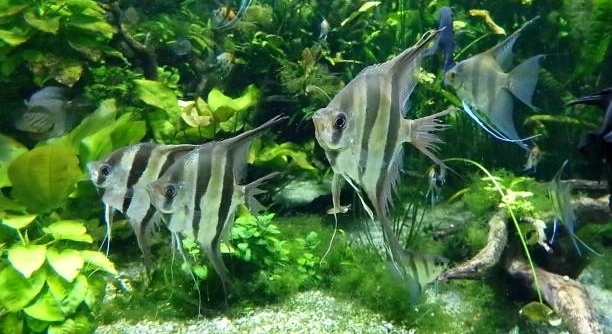
Angelfish are beautiful and peaceful creatures, but sometimes, they can turn aggressive. If your angelfish is attacking other fish’s fins, it can be worrying. Understanding why this happens can help create a healthier environment for your aquarium.
The most common reasons for angelfish attacking other fish’s fins are territorial behavior, stress, lack of space, and poor water conditions. These factors can cause the fish to act aggressively, leading to fin damage in their tank mates.
Understanding why your angelfish behaves this way is crucial. Addressing these issues can help prevent further aggression and create a better environment for all your fish.
Territorial Behavior
Angelfish are known to be territorial, especially when they are defending their space. If they feel their territory is being threatened by other fish, they may attack to establish dominance. This behavior is often seen when fish are introduced to a new tank or when there isn’t enough space for everyone to feel secure. Angelfish may nip at the fins of other fish to warn them off. Territorial aggression can also increase during breeding seasons, as angelfish become more protective of their nests and eggs.
If your angelfish is showing signs of aggression, it may help to rearrange the decorations or plants in the tank. This can disrupt their sense of territory and help reduce aggression. Giving each fish its own space is key to reducing territorial disputes.
Adding more hiding spots, plants, or structures in the tank can create more territories for your fish, which can help minimize conflicts. It’s also important to consider the number of fish in the tank to avoid overcrowding, as this increases territorial behavior.
Stress and Anxiety
Stress is a major factor in fish aggression. If an angelfish is stressed, it may take out its frustration on other tank mates. Stress can come from a variety of sources, such as poor water conditions, sudden changes in the tank environment, or even the presence of other aggressive species. Angelfish are particularly sensitive to changes in their surroundings, which may cause them to act defensively.
To reduce stress, ensure that the water temperature and quality are consistent. Regular water changes are essential for maintaining a stable and healthy environment. Keep the tank environment as calm and stable as possible to help reduce aggression levels in your angelfish.
Creating a calm environment goes beyond water quality. It also involves considering the fish’s interactions with each other. Introducing peaceful fish and ensuring there are enough hiding spots can minimize stress and reduce attacks on other fish.
Lack of Space
When angelfish are kept in a tank that’s too small, they may feel crowded, which can lead to aggression. Fish need enough room to swim and establish their own space. A cramped tank makes it harder for them to avoid one another, increasing stress and territorial behavior.
Ensure your tank has enough room for all your fish. For a pair of angelfish, a 20-gallon tank is generally the minimum, but larger tanks are always better. Having enough space helps reduce conflicts and gives each fish a chance to establish its own territory, lowering aggression levels.
In addition to tank size, consider the fish species you are keeping together. Some species of fish are more territorial than others, so mixing peaceful fish with aggressive ones can lead to fights. When choosing tank mates, research their behavior and make sure they are compatible. This will help create a more peaceful environment for your angelfish.
Poor Water Conditions
Water quality plays a huge role in the behavior of angelfish. Poor water conditions can cause stress, weakening the immune system and leading to aggression. If the water is too warm, too cold, or has high levels of ammonia or nitrates, fish will often act out.
Test your water regularly to ensure that levels of ammonia, nitrites, and nitrates are within safe ranges. Keep the temperature stable between 76°F and 82°F, as fluctuations can also contribute to stress. Performing regular water changes will help maintain water quality and reduce the chances of aggressive behavior in your fish.
If the water quality remains poor for too long, your angelfish will suffer, and aggression may become a recurring issue. Regular maintenance, along with a reliable filtration system, is key to keeping water clean and stable. Healthy fish are less likely to become aggressive and more likely to get along with others in the tank.
Incompatible Tank Mates
Angelfish are peaceful fish but can turn aggressive if they are housed with fish that are too aggressive or too similar in behavior. Some species, like cichlids, are more territorial and may provoke angelfish into attacking.
To avoid this, always pair angelfish with species that are calm and non-aggressive. Avoid fish that are too large or overly active, as they can intimidate your angelfish and trigger aggression. Research the temperament of potential tank mates before introducing them to your aquarium.
Overcrowding
Overcrowding is one of the most common causes of aggression. When too many fish are in a small space, they often fight for food and territory. Angelfish are no exception.
Always ensure you don’t exceed the recommended stocking levels for your tank size. If your tank feels too crowded, consider upgrading to a larger tank or finding new homes for some of your fish. Space is essential for reducing stress and keeping everyone peaceful.
FAQ
Why is my angelfish attacking other fish’s fins?
Angelfish often attack other fish’s fins due to stress, territorial behavior, or overcrowding. If the tank environment is unstable, such as poor water quality or inappropriate temperature, your angelfish may feel threatened and act aggressively. Also, angelfish may become more territorial during breeding, leading to fin nipping.
How can I stop my angelfish from attacking other fish?
To reduce aggression, first check the water quality. Ensure the tank is large enough for all inhabitants and add hiding spots so fish can avoid each other. Also, introducing peaceful tank mates and rearranging the tank can help reduce territorial behavior. Make sure your fish are not overcrowded, and maintain stable water conditions to keep your angelfish calm.
Can angelfish live with other aggressive fish?
Angelfish generally do best with peaceful tank mates. Aggressive species can provoke your angelfish into defending their territory, which can lead to fighting. It’s important to research potential tank mates and avoid housing angelfish with highly territorial fish. Angelfish do well with species like tetras, mollies, and gouramis.
How much space do angelfish need?
Angelfish need enough space to swim freely and claim their own territory. A minimum of 20 gallons is recommended for a pair of angelfish. Larger tanks are always better to avoid overcrowding, which can increase aggression. A bigger tank also gives your fish more places to hide and establish their own space.
How do I know if my angelfish is stressed?
Stress can manifest in many ways, including hiding, reduced appetite, and unusual swimming patterns. If your angelfish is staying in one spot or is more aggressive than usual, it could be a sign of stress. Poor water conditions or incompatible tank mates are often the cause of this behavior.
Can water temperature affect my angelfish’s behavior?
Yes, water temperature plays a crucial role in your angelfish’s health and behavior. Angelfish prefer stable temperatures between 76°F and 82°F. If the water is too warm or too cold, they may become stressed or more aggressive. Ensure the tank temperature remains consistent to help keep your angelfish calm.
Is it normal for angelfish to chase other fish?
Angelfish may chase other fish if they feel their territory is threatened or if they are protecting a breeding area. This chasing behavior is common during mating, but it can also happen if the tank is too small or there are too many fish. Monitor the tank for signs of aggression and take steps to reduce stress.
How often should I do water changes to prevent aggression?
Regular water changes are important to maintain healthy water conditions and reduce stress. Aim for a 25-30% water change every two weeks. This helps remove waste, excess nutrients, and keeps ammonia and nitrate levels in check. Poor water quality can trigger aggression in angelfish, so frequent water changes are essential.
Can angelfish attack during breeding?
Yes, angelfish can become aggressive during breeding. They may attack other fish to defend their eggs or fry. During this time, it’s important to give them extra space and avoid introducing new fish to the tank. You can also increase hiding spots to allow other fish to escape if necessary.
What tank mates are best for angelfish?
Angelfish do best with peaceful, non-territorial fish. Good tank mates include tetras, mollies, rasboras, and peaceful barbs. Avoid aggressive or fast-moving fish that might stress your angelfish, such as cichlids or large predatory species. It’s important to research the temperament of any species before adding them to the tank.
Are angelfish aggressive toward each other?
Angelfish can be aggressive toward each other, especially if they are paired up for breeding or if the tank is too small. They may establish territories and defend them against other angelfish. However, when kept in a properly sized tank with enough hiding spots, multiple angelfish can coexist peacefully.
How can I tell if my angelfish is sick and not just aggressive?
Sick angelfish may display unusual behavior, such as lethargy, loss of appetite, or abnormal swimming. If the aggression is sudden and the fish shows signs like cloudy eyes, faded colors, or visible lesions, it could be an indication of illness. Regularly check for signs of disease, such as fin rot or parasites.
Can I prevent aggression by adding more fish to the tank?
Adding more fish to the tank can sometimes help spread out aggression by making the tank feel less territorial. However, overcrowding can lead to more stress and conflict. Always make sure your tank is large enough to accommodate all fish and that the species are compatible. Adding peaceful fish can help reduce aggression.
Do angelfish need a filter to avoid aggression?
Yes, a filter is essential for maintaining good water quality. Poor water quality can stress your angelfish and lead to aggressive behavior. A good filtration system will help keep ammonia and nitrate levels low, providing a stable environment for your fish. Regular water changes and a reliable filter are crucial for preventing aggression.
Final Thoughts
Angelfish are generally peaceful creatures, but when their environment or conditions are not ideal, they can become aggressive. Understanding the reasons behind their behavior, such as territorial instincts, stress, overcrowding, or poor water quality, is key to addressing the issue. By making simple adjustments, such as ensuring proper tank size, maintaining water quality, and providing enough space for each fish, you can reduce aggression and help your angelfish live peacefully with other tank mates.
If you notice your angelfish nipping at fins or displaying other aggressive behaviors, it’s important to identify the root cause quickly. Stress from poor water conditions, incorrect temperatures, or incompatible tank mates can easily trigger aggression. Regular water changes, proper tank maintenance, and carefully selecting compatible species for your tank are essential steps to prevent aggression in the first place. It’s also crucial to create an environment where your fish feel secure, with enough hiding spots and territories to prevent constant conflict.
Lastly, understanding your angelfish’s behavior and creating a calm and well-maintained tank environment will not only improve their well-being but also help maintain a peaceful community in your aquarium. Patience and observation are key. With the right care, your angelfish can thrive in a stress-free environment, and aggression can be minimized. By following simple steps and making necessary adjustments, you can ensure your fish live in harmony with each other and that your aquarium remains a peaceful, beautiful space.

Hello,
If you enjoy the content that we create, please consider saying a "Thank You!" by leaving a tip.
Every little bit helps us continue crafting quality advice that supports the health, happiness, and well-being of pets around the world, for pets of all shapes, sizes, and species.
We really appreciate the kindness and support that you show us!