
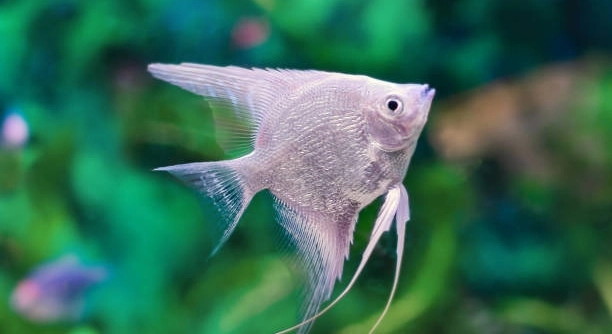
Sometimes, it can be frustrating when your angelfish isn’t growing as expected. You’ve set up their tank just right, yet something still seems off. There are several reasons why your angelfish might be struggling to grow.
There are various factors that could prevent your angelfish from growing, including poor water quality, insufficient diet, and tank overcrowding. Each of these factors can contribute to stunted growth, ultimately impacting your fish’s overall health and development.
Addressing these key issues can help get your angelfish back on track. We’ll walk you through the most common causes of slow growth and provide solutions to ensure your fish reaches its full potential.
Poor Water Quality
Angelfish are sensitive to water conditions, and if the water in your tank is not up to standard, growth can be severely impacted. Factors like pH levels, ammonia, nitrites, and nitrates need to be monitored regularly. Dirty or unfiltered water can stunt their growth, weaken their immune system, and even cause diseases. Ensuring the water is clean and well-maintained will support their overall health and help them grow at a healthy pace.
Regular water changes and proper filtration are key. You should aim for at least a 25% water change once a week. This keeps ammonia and nitrites at safe levels while maintaining a stable pH and temperature. Test your water often using an aquarium test kit to make sure everything is within the optimal range for angelfish.
Aside from water changes, also check the filter system and clean it regularly to prevent clogging. Using a high-quality filter suited for your tank size will help to maintain a cleaner, healthier environment for your fish. Consistent maintenance will ensure the water stays clear and the conditions remain stable, promoting healthy growth in your angelfish.
Insufficient Diet
If your angelfish aren’t growing, they might not be getting enough nutrients. A lack of variety or the wrong types of food can lead to slow development and poor health. Angelfish need a well-balanced diet to support their growth, including protein, vitamins, and minerals.
Feed your angelfish high-quality pellets, flakes, or frozen food that is specifically designed for them. Adding occasional live food like brine shrimp can provide a boost in nutrition. Make sure to avoid overfeeding, as this can lead to water quality issues, but aim for a diet that meets all their nutritional needs.
By offering a mix of food types and ensuring your angelfish are eating regularly, you will help them grow at a healthy rate. It’s also important to remove any uneaten food to avoid polluting the tank.
Overcrowded Tank
Too many fish in the tank can stress out your angelfish and stunt their growth. When there’s not enough space, they won’t thrive. It’s important to avoid overcrowding, as it leads to higher waste levels and poor water quality, which can harm your angelfish.
Ensure that your tank size is appropriate for the number of fish you have. A minimum of a 30-gallon tank is recommended for angelfish, with more space needed if you have other fish. Make sure each angelfish has enough room to swim freely, as crowded conditions can lead to stress and limited growth.
You should also avoid having tank mates that are too aggressive or overly active, as they can intimidate your angelfish. This could cause stress, poor feeding, and slower growth. If you notice aggressive behavior, it’s best to separate them from the angelfish to give them a more peaceful environment.
Incorrect Water Temperature
Angelfish need stable water temperatures between 76-82°F (24-28°C). If the water is too cold or fluctuates too much, it can slow down their metabolism and stunt growth. Consistent heat is essential for their development and overall well-being.
Investing in a reliable aquarium heater is crucial for keeping the temperature within the right range. Make sure to monitor the temperature regularly using a thermometer to avoid any sudden changes that might stress your angelfish. If the temperature is too low, their immune system can weaken, and growth may slow down.
In addition, sudden drops in temperature can cause health issues like ich or other infections, which can further hinder growth. Keep the tank in a stable environment, away from drafts or sources of heat that could cause fluctuations.
Inconsistent Feeding Schedule
If you aren’t feeding your angelfish on a regular schedule, they may not be getting the nutrients they need to grow. Angelfish rely on consistent feeding for healthy growth. Skipping meals or feeding erratically can hinder their progress.
Feed your angelfish at the same time each day, offering small amounts of food they can consume within a few minutes. This helps avoid overfeeding, which could lead to water quality issues. Having a routine ensures that they are getting proper nutrition at the right time to support growth and overall health.
Lack of Proper Tank Decor
Tank decorations that are too large or poorly arranged can restrict the swimming space your angelfish need to grow. It’s important to provide enough hiding spots without overcrowding the tank with decorations.
Plants, driftwood, or smaller rocks can create a more natural environment, offering hiding places for angelfish. However, make sure these items don’t take up too much space and leave plenty of room for swimming. This helps keep your fish active and comfortable, promoting better growth.
Poor Genetics
Sometimes, slow growth can be linked to poor genetics. If your angelfish comes from a breeding line that isn’t healthy or strong, it may naturally grow slower. This can be especially true if the fish was bred under poor conditions.
FAQ
Why isn’t my angelfish growing?
Angelfish may not grow properly if they are living in poor water conditions, aren’t being fed properly, or are in a tank that’s overcrowded. Factors like an unstable water temperature, incorrect lighting, or insufficient space can all slow down their growth. Regular water changes, a balanced diet, and a proper-sized tank are crucial for healthy growth.
How can I tell if my angelfish is stunted?
A stunted angelfish will appear much smaller than expected for its age and may show signs of poor health, such as dull coloring, slower movements, and a lack of appetite. Stunted growth is often linked to bad water conditions or inadequate nutrition. You should monitor the size of your fish regularly to track any growth progress.
What’s the best food for my angelfish to grow faster?
To help your angelfish grow, feed them high-quality pellets, flakes, or frozen foods rich in protein and essential nutrients. A variety of foods like brine shrimp, bloodworms, and daphnia can support growth. Offering a mix of different foods ensures they get a balanced diet.
Can I feed my angelfish once a day?
Yes, feeding angelfish once a day is typically sufficient. It’s important to only give them as much food as they can eat in a few minutes. Overfeeding can lead to water quality issues and health problems. If you have younger angelfish, you can feed them twice a day to ensure they get enough nutrients for proper growth.
How do I maintain a stable temperature for my angelfish?
Use a reliable aquarium heater to keep the water temperature between 76-82°F (24-28°C), which is optimal for angelfish growth. You should regularly check the water temperature with a thermometer to ensure it stays consistent. Avoid placing the tank in areas with drafts or direct sunlight that could cause temperature fluctuations.
What are the signs of poor water quality in my angelfish tank?
If your angelfish show signs of lethargy, loss of appetite, or faded colors, the water quality might be poor. Unpleasant smells, cloudy water, or visible algae growth can also indicate that the tank is not properly maintained. Regular water testing for pH, ammonia, nitrites, and nitrates is essential to catch any imbalances early.
How much space do angelfish need to grow properly?
Angelfish require at least a 30-gallon tank, though larger is better, especially if you have multiple fish. Overcrowding can stress them out and limit their growth. Ensure there’s enough swimming space and hiding spots for your fish to feel comfortable. More room allows them to grow at a healthy rate.
Is it normal for my angelfish to stop growing after a certain point?
Yes, angelfish, like all fish, have a natural growth rate that slows down as they reach maturity. They typically stop growing at about 6-8 inches in length. However, if your fish seems to stop growing before reaching that size, it could indicate problems with the environment, diet, or health.
Can tank mates affect my angelfish’s growth?
Yes, aggressive or fast-moving tank mates can stress out your angelfish, which may slow their growth. It’s important to choose peaceful and non-competitive fish that won’t bully your angelfish. Stress from fighting or hiding can interfere with their ability to eat and grow properly.
Do I need to add extra supplements for my angelfish to grow?
In most cases, a high-quality commercial food is enough to support your angelfish’s growth, but occasional supplements like vitamins or minerals can help. If your water quality is good and your fish is eating a balanced diet, extra supplements aren’t usually necessary unless recommended by a veterinarian.
How often should I clean the tank to support growth?
Clean the tank regularly by doing 25% water changes once a week to keep ammonia and nitrate levels in check. Also, remove any uneaten food and clean the filter to maintain water flow. Regular maintenance helps prevent water quality problems that can stunt your angelfish’s growth.
How can I prevent diseases that could affect my angelfish’s growth?
Maintaining good water quality is the best way to prevent diseases. Also, make sure you quarantine new fish before introducing them to the tank to avoid bringing in parasites or illnesses. A clean tank with stable conditions will minimize the chances of health issues that could slow down growth.
Should I use a water conditioner for my angelfish?
Yes, using a water conditioner is important, especially if you’re using tap water. It removes chlorine, chloramine, and heavy metals that could harm your fish. Make sure to treat your water before adding it to the tank to create a safe environment for your angelfish to grow.
Is it necessary to have plants in my angelfish tank for growth?
While plants are not essential for growth, they do provide benefits like hiding places and a more natural environment for your angelfish. They can also help with water quality by absorbing excess nutrients. Just ensure that plants do not overcrowd the tank or reduce the swimming space available.
How can I tell if my angelfish is healthy?
A healthy angelfish should have bright colors, be active, and have a good appetite. They should swim gracefully without signs of distress like scratching against objects. If your fish is healthy, they will also have clear eyes and fins without tears or discoloration. Any unusual behavior could be a sign of an issue.
Final Thoughts
Taking care of angelfish can be a rewarding experience, but it requires attention to detail and consistency. If your angelfish aren’t growing as expected, it’s important to examine the conditions in their tank carefully. Factors like water quality, diet, tank size, and temperature all play a role in their growth. By ensuring that these aspects are managed well, you can create a healthier environment where your angelfish will thrive.
It’s also crucial to understand that every angelfish has its own growth pace. While some may grow faster than others, slow growth could be a result of a few simple factors that can be corrected. Maintaining a regular feeding schedule, avoiding overfeeding, and providing the right type of food will help. Keeping the water clean and at the right temperature is another key factor. With some patience and effort, you can get your angelfish back on track and help them grow properly.
If you notice that your angelfish continue to struggle despite making adjustments, don’t hesitate to consult a veterinarian or an aquarium expert. Sometimes, underlying health issues can affect growth, and they may need professional care. By staying informed and responsive to your fish’s needs, you can ensure they live a long, healthy, and happy life in your aquarium.

Hello,
If you enjoy the content that we create, please consider saying a "Thank You!" by leaving a tip.
Every little bit helps us continue crafting quality advice that supports the health, happiness, and well-being of pets around the world, for pets of all shapes, sizes, and species.
We really appreciate the kindness and support that you show us!