
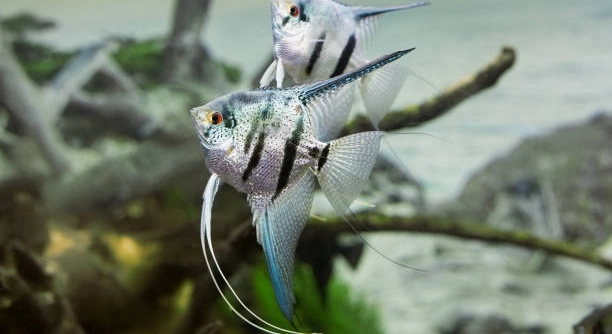
If your angelfish isn’t breeding, it can be frustrating. Several factors, such as water conditions, tank mates, and diet, might be affecting their breeding behavior. Identifying these issues is the first step in encouraging successful breeding.
The main reasons your angelfish aren’t breeding often stem from improper water conditions, stress, or a lack of proper diet. Angelfish require specific water parameters, a peaceful environment, and a nutritious diet to trigger breeding behaviors.
Correcting these conditions can help your angelfish thrive. By making the necessary adjustments, you can create an environment that encourages breeding.
Incorrect Water Conditions
Angelfish are sensitive to water conditions, and improper water quality can prevent them from breeding. If the water temperature, pH, or hardness is out of balance, angelfish may become stressed, making it harder for them to reproduce. The ideal temperature for breeding angelfish is between 78°F and 82°F. The pH should be slightly acidic, around 6.5 to 7.0, and the water hardness should be soft to medium. Regular water changes help maintain these conditions and ensure the fish feel comfortable. If these factors aren’t in line, they may not breed, regardless of other efforts.
Proper water conditions are vital for healthy fish and successful breeding. Testing the water regularly and adjusting as needed is crucial.
A clean tank with the right water parameters can make a big difference in encouraging angelfish to breed. It removes potential stress factors, promoting a peaceful and optimal environment for breeding.
Stress From Tank Mates
Angelfish are peaceful but can be territorial, especially when they are ready to breed. If your angelfish are sharing their tank with aggressive or overly active tank mates, stress can interfere with their breeding attempts. Angelfish need a calm and stable environment to feel safe enough to breed.
When tank mates are too aggressive or active, angelfish may become stressed, which will hinder their breeding efforts. It is essential to choose tank mates that are compatible with angelfish and won’t disturb them. Fish that are calm and not overly dominant are ideal.
Stress can delay or prevent breeding. Ensuring the angelfish feel secure and unthreatened will help encourage breeding behavior. If needed, consider isolating them or adjusting the tank’s layout to create more peaceful zones.
Inadequate Diet
A poor diet can prevent angelfish from breeding. Angelfish need a varied, high-quality diet to stay healthy and ready to breed. Offering a mix of flakes, pellets, and live or frozen foods like brine shrimp or bloodworms helps meet their nutritional needs. A lack of variety or improper nutrition can affect their ability to breed.
The right diet ensures angelfish have the energy and nutrients to breed successfully. Overfeeding or underfeeding can also cause problems. The food should be rich in protein and vitamins to support the fish’s growth and reproduction.
Feeding angelfish several times a day with small portions can mimic natural feeding habits. Ensure the food is high-quality and appropriate for their species. Providing a balanced diet increases the chances of successful breeding and keeps the fish healthy.
Tank Size and Space
Angelfish need enough space to thrive, especially when breeding. A tank that is too small can cause stress and limit the fish’s natural behaviors, making breeding difficult. Aim for a minimum of 20 gallons for a pair of angelfish. A larger tank allows for territorial behavior and peaceful breeding.
An overcrowded tank will create tension and stress among the fish. When there’s not enough space, they can become more territorial or aggressive. It also limits the fish’s ability to find a suitable place to lay eggs.
Providing ample space encourages angelfish to establish a territory, which is essential for successful breeding. The extra room gives them the opportunity to create a comfortable environment to lay eggs and care for the fry.
Lack of Proper Hiding Spots
Angelfish need a place to feel safe and secure, especially when breeding. If there are no hiding spots or places to lay eggs, angelfish might not breed. Using plants, decorations, or rocks can create these spaces. A peaceful area will encourage them to breed naturally.
Without these hiding spots, angelfish might feel exposed and stressed. A tank setup with proper hiding spots gives them a sense of security and encourages them to breed. Adding plants or structures that block light and line of sight can help in this process.
Water Flow
Angelfish prefer calm waters, which help reduce stress. Strong water currents can discourage breeding and affect their behavior. Maintaining a gentle water flow is crucial for creating an environment where they feel comfortable. A filter with adjustable flow is an easy solution.
Strong currents can prevent angelfish from finding a spot to lay eggs or even disrupt their breeding activities. A gentle water flow mimics natural conditions, allowing them to move freely and comfortably. Regularly adjusting water flow can keep the environment calm and breeding-friendly.
Temperature Fluctuations
Stable water temperature is essential for breeding. Angelfish are sensitive to temperature changes, and sudden fluctuations can cause stress. Keeping the temperature within the ideal range of 78°F to 82°F will make the fish more comfortable and promote breeding.
FAQ
Why are my angelfish not laying eggs?
If your angelfish are not laying eggs, it could be due to improper water conditions, stress, or a lack of space. Ensure the tank has the right temperature, pH, and water hardness. Stress from tank mates or a lack of hiding spots can also prevent egg-laying. Check that your angelfish are receiving the proper nutrition and that they are in a suitable environment for breeding.
How can I encourage my angelfish to breed?
To encourage breeding, provide a spacious tank with proper water conditions and peaceful tank mates. Offering a varied, nutritious diet and maintaining a consistent water temperature can help. Ensuring there are plenty of hiding spots and places to lay eggs will also make the angelfish feel more comfortable and ready to breed.
Do angelfish need a mate to breed?
Yes, angelfish need a mate to breed. They are monogamous and usually form a pair bond with one other fish. Once they have established a bond, they will work together to select a breeding site, lay eggs, and protect their young. If you have a single angelfish, it is unlikely to breed without a partner.
How often do angelfish breed?
Angelfish can breed regularly, but the frequency depends on their environment and conditions. In ideal conditions, angelfish can lay eggs every two weeks. However, it is important to note that they need time to recover between breeding attempts. If you notice they are breeding too often, give them a break by adjusting the tank conditions or feeding schedule.
Can angelfish breed in a community tank?
Angelfish can breed in a community tank, but it’s important to ensure that their tank mates are compatible. Aggressive fish can cause stress, and other fish may eat the eggs or fry. It’s best to have a peaceful community with careful planning to prevent interference with the breeding process. Additionally, make sure there are enough hiding spots for the angelfish to lay eggs safely.
What temperature is best for angelfish breeding?
The ideal temperature for breeding angelfish is between 78°F and 82°F. Keeping the temperature within this range ensures that the fish are comfortable and ready to breed. If the water is too cold or too warm, it can cause stress and disrupt the breeding process.
Why do my angelfish eat their eggs?
Angelfish may eat their eggs for a variety of reasons. In some cases, the eggs may not be fertilized, prompting the parents to consume them. Other factors, such as stress, poor water conditions, or the presence of tank mates that threaten the eggs, can also lead to this behavior. It’s also possible that the angelfish are inexperienced or not yet fully prepared for parenthood.
How can I prevent my angelfish from eating their eggs?
To prevent your angelfish from eating their eggs, ensure they feel secure by maintaining optimal water conditions and reducing stress. Removing aggressive tank mates and providing enough hiding spots can help. In some cases, isolating the pair in a breeding tank can increase the chances of successful egg fertilization and egg protection.
How do I know when my angelfish are ready to breed?
Angelfish are ready to breed when they exhibit specific behaviors. They may start cleaning a flat surface, such as a rock or plant, in preparation for laying eggs. They will also exhibit a more territorial nature, especially around the chosen breeding site. Males will often chase the females to encourage mating, and the female will appear fuller as she develops eggs.
What should I do with angelfish eggs once they are laid?
Once the eggs are laid, you can leave them with the parents, as angelfish are generally good caretakers of their eggs. However, it’s important to monitor the situation to ensure that the eggs are being fertilized and are not being eaten. If you want to protect the eggs from other fish, you can move them to a separate breeding tank with controlled conditions. Keep the water temperature steady and ensure good water quality for the developing eggs.
How long does it take for angelfish eggs to hatch?
Angelfish eggs typically hatch within 2 to 3 days, depending on the water temperature. The warmer the water, the faster the eggs will develop. It is important to maintain the ideal temperature range of 78°F to 82°F to ensure proper development. Once the eggs hatch, you will see small wriggling fry that will need special care and food.
How can I care for angelfish fry?
Angelfish fry require special care during their early stages of life. Once they hatch, they will feed off their yolk sacs for the first few days. After that, you can introduce infusoria or finely crushed flake food. Be sure to maintain clean water and provide a stable environment. Avoid overcrowding and consider separating the fry from the parents to reduce the risk of the eggs or fry being eaten.
How long does it take for angelfish fry to grow?
Angelfish fry typically grow quickly, with noticeable growth over the first month. Within a few weeks, they will start to swim freely and can begin eating larger food, such as baby brine shrimp. By 3 to 4 months, the fry will begin to resemble adult angelfish and can be moved to a larger tank.
Can I mix angelfish fry with adults?
It’s best to wait until the fry are a little older before introducing them to adult angelfish. If the fry are small and not yet fully developed, the adults may see them as food. Once the fry are large enough and able to defend themselves, they can be gradually introduced to the adult tank. Keep an eye on their interactions to ensure the adults are not being aggressive.
Are there any signs my angelfish might be infertile?
Infertility in angelfish is rare but can occur due to various factors. If your angelfish consistently fail to lay eggs or their eggs never hatch, it could be due to stress, poor water conditions, or health issues. It’s important to monitor their behavior and ensure they are in the right environment. If there are no signs of improvement, consulting with an aquarium expert or veterinarian can help determine the cause.
Final Thoughts
Breeding angelfish can be a rewarding experience, but it requires attention to detail and patience. It’s crucial to provide the right environment with stable water conditions, proper tank mates, and plenty of hiding spots. Stress is one of the main reasons angelfish may not breed, so creating a calm, secure setting is essential. The right conditions will make your angelfish feel comfortable and increase the chances of successful breeding.
Understanding the signs that your angelfish are ready to breed is also important. When they clean a surface, become territorial, and show other breeding behaviors, it’s a sign they are preparing to mate. Ensuring your fish are properly nourished, in good health, and at the correct temperature will also help them breed successfully. Pay attention to their needs and watch for these signs to know when they are ready.
While breeding angelfish can seem like a challenge, it becomes more manageable with the right knowledge and setup. Ensuring they are comfortable in their environment and addressing any potential issues that arise will help ensure their breeding success. By staying informed about the needs of angelfish and making necessary adjustments, you can increase the chances of your fish breeding and raising healthy fry.

Hello,
If you enjoy the content that we create, please consider saying a "Thank You!" by leaving a tip.
Every little bit helps us continue crafting quality advice that supports the health, happiness, and well-being of pets around the world, for pets of all shapes, sizes, and species.
We really appreciate the kindness and support that you show us!