
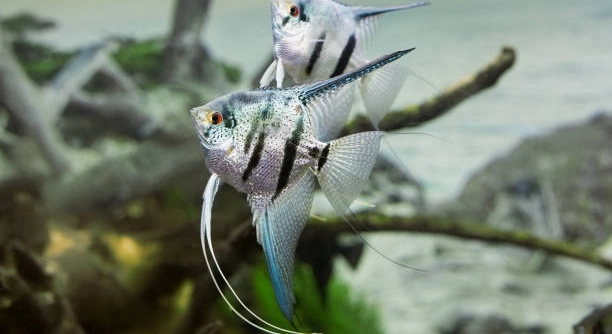
Angelfish are beautiful creatures that bring vibrancy to your aquarium. However, when they start swimming sideways, it can be concerning. This behavior often signals an underlying issue that needs attention.
The main reason your angelfish may be swimming sideways is due to a swim bladder disorder, which affects their buoyancy. Other causes can include water quality problems, stress, injury, or improper tank conditions.
Understanding the potential causes will help you provide the best care for your fish and prevent further health complications. Continue reading to discover practical solutions to keep your angelfish healthy and swimming upright.
Swim Bladder Issues
Swim bladder disease is a common reason why your angelfish might swim sideways. The swim bladder is an organ that helps fish maintain buoyancy in the water. When it is damaged or infected, the fish struggles to stay upright. This disorder can happen due to various reasons like genetics, poor water quality, or injury.
If you notice your angelfish is swimming at an angle or floating sideways, it could be a sign of this issue. It often leads to difficulty controlling movement, causing them to list or swim upside down. In some cases, it may also affect their ability to eat properly.
To fix swim bladder issues, ensure your tank water is clean and well-maintained. A stable temperature and proper filtration can reduce stress and encourage healing. In severe cases, isolation in a hospital tank and a special diet may help improve their condition. Acting quickly can prevent permanent damage.
Poor Water Quality
Water quality problems are another common reason for sideways swimming. Ammonia, nitrites, and nitrates can build up in the water if it’s not regularly cleaned. High levels of these substances irritate the fish, leading to stress and health issues.
Angelfish require clean water to thrive. Regular water changes and monitoring water parameters will help keep your fish safe. If the water quality is compromised, your angelfish may lose its balance, making sideways swimming a common symptom. Check your tank’s pH, temperature, and oxygen levels regularly to prevent this.
Testing your aquarium’s water regularly is an essential habit. If there are signs of poor water quality, immediately change a portion of the water and test it again. Using a high-quality water conditioner and improving filtration will help reduce the buildup of harmful substances.
Stress
Stress can cause angelfish to swim sideways. Stress in fish may come from sudden changes in water temperature, new tankmates, or excessive noise. Even poor tank conditions, like overcrowding, can stress them out and impact their swimming ability.
If your angelfish is stressed, you might notice them swimming erratically, hiding more than usual, or not eating. It’s essential to identify the stressors in your tank. Once you do, take immediate steps to address them. Moving the fish to a quieter area, adjusting the temperature, or reducing the number of tankmates can help.
Fish that are stressed also have weakened immune systems, making them more susceptible to diseases. To ease stress, you can also provide plenty of hiding spots and plants, which give angelfish a sense of security. Keeping the tank environment stable and peaceful will help your fish feel more comfortable and reduce their sideways swimming behavior.
Injury
Injuries can also cause sideways swimming in angelfish. If your fish has recently been involved in a fight with another tankmate or had a collision with an object, it may suffer from an injury that affects its swimming balance. This could result in difficulties moving or staying upright.
Injuries can be hard to spot, but look for signs like abrasions, missing scales, or even swelling in the affected area. If you suspect an injury, it’s important to isolate the angelfish in a separate tank to give it time to heal. If the injury is serious, you might need to administer antibiotics or antiseptic treatments to prevent infection.
By offering a peaceful environment and limiting stress, you can give the injured angelfish the time it needs to recover. Keep the water clean, maintain a stable temperature, and monitor the fish closely to ensure it heals properly.
Poor Diet
A poor diet can affect your angelfish’s health and lead to abnormal swimming behavior, including sideways swimming. Angelfish need a balanced diet rich in nutrients to maintain their buoyancy and overall health. Without proper nutrition, their bodies may struggle to function correctly.
Feeding your fish a varied diet, including high-quality pellets, frozen foods, and occasional live food, is essential. If the fish lacks essential nutrients, it may develop swim bladder issues, which causes them to swim sideways. Make sure to avoid overfeeding, as it can also cause digestive problems.
You can also add vitamin-rich foods like spinach and peas to help improve digestion and overall health. A good, well-rounded diet will promote strong swimming and prevent future issues related to diet.
Tank Conditions
The condition of your tank is critical to the health of your angelfish. If the tank is too small or lacks proper filtration, it can lead to poor water quality and stress, which affects your fish’s behavior.
Ensuring your tank is spacious and has a good filtration system will create a healthier environment. Regular water changes and a stable temperature help prevent disease and discomfort. Check for any imbalances in the water, as poor conditions are often a key factor in abnormal swimming.
Tankmates
Aggressive tankmates can cause your angelfish to feel threatened or stressed, which may lead to sideways swimming. If your fish is constantly chased or harassed, it can result in physical and mental stress.
To prevent this, ensure that your tankmates are compatible with angelfish. Choose peaceful species that won’t outcompete or bully them. Keep an eye on the dynamics in your tank and separate any fish that show signs of aggression. A peaceful environment helps reduce stress and supports your fish’s natural behavior.
FAQ
Why is my angelfish swimming sideways but still eating?
If your angelfish is swimming sideways but still eating, it could be dealing with a mild case of swim bladder disorder. It’s possible that it’s having trouble maintaining buoyancy but isn’t yet severely impacted. It could also be stressed or dealing with poor water quality, which affects its balance without completely stopping its eating habits. You should check the water conditions and look for any signs of injury or stress. A diet change or even reducing tank traffic might help ease the problem.
Can swim bladder disease be cured in angelfish?
Yes, swim bladder disease can be treated, but the success largely depends on the underlying cause. If it’s caused by an injury, recovery might take some time. If it’s due to poor water quality, fixing the water conditions can help. If it’s caused by a bacterial infection, antibiotics can be used. In more severe cases, some fish may have permanent issues. However, most angelfish will recover if the problem is caught early and treated accordingly. Offering them a salt bath and reducing stress also helps in the healing process.
Is it okay for my angelfish to swim sideways occasionally?
It’s not ideal for an angelfish to swim sideways frequently, but occasional odd movements can happen, especially if it’s adjusting to its environment or reacting to a minor issue. If this behavior becomes regular or worsens over time, you should be concerned. It may indicate a deeper issue like swim bladder disease, poor water quality, or injury. Regular monitoring and care can prevent minor issues from turning into major health concerns.
How can I prevent my angelfish from swimming sideways?
To prevent your angelfish from swimming sideways, maintain a stable and clean environment. Ensure your tank is appropriately sized, with high-quality filtration and stable water parameters (temperature, pH, and ammonia/nitrite levels). Avoid overcrowding and keep the tank peaceful by choosing compatible tankmates. Provide a varied, balanced diet, and reduce stressors as much as possible. Monitoring these factors can go a long way in preventing sideways swimming and other health problems.
How can I tell if my angelfish is stressed?
Stressed angelfish will show several signs, including erratic swimming behavior, hiding more often, reduced appetite, and an overall lethargic demeanor. They may also have their fins clamped or swim near the surface or at the bottom of the tank. Water quality problems, tankmates, temperature fluctuations, or sudden changes in the environment are common stress factors. If you notice these signs, you should work to eliminate the stressor and return the fish to a more comfortable state.
Can poor water quality cause my angelfish to swim sideways?
Yes, poor water quality is a leading cause of sideways swimming in angelfish. High ammonia, nitrites, or low oxygen levels can lead to imbalance and stress, causing your fish to struggle with buoyancy and swim abnormally. Regular water changes, keeping the tank well-filtered, and testing the water regularly can help avoid these issues. Keeping an eye on water parameters and adjusting them as needed can prevent your fish from experiencing discomfort.
Can swim bladder disease be caused by diet?
Yes, diet can contribute to swim bladder issues, especially if your angelfish is overfed or fed poor-quality food. Overfeeding leads to constipation and digestive issues, which can put pressure on the swim bladder, causing it to malfunction. To avoid this, feed your angelfish a balanced, high-quality diet and avoid overfeeding. Additionally, include fiber-rich foods like peas to promote healthy digestion and reduce the chances of swim bladder problems.
How long does it take for a fish to recover from swim bladder disease?
The recovery time for swim bladder disease varies depending on the cause and severity. If the issue is caused by water quality, improvements can lead to recovery in a matter of days. If it’s due to constipation, you might see improvement within 24 to 48 hours after changing the diet. For more serious causes, like infections or injuries, it might take longer, even several weeks. Providing a stable environment, proper treatment, and good nutrition can speed up recovery.
Are there any specific treatments for swim bladder disease?
Yes, there are treatments for swim bladder disease, but the approach depends on the cause. For mild cases, simply adjusting the diet or improving water conditions can work. A common treatment includes fasting the fish for a couple of days, followed by feeding them peas to relieve constipation. For bacterial infections, antibiotics might be necessary. If the issue is stress, offering the fish a quiet, stable environment can help. In more severe cases, you may need to isolate the fish in a hospital tank and carefully monitor their condition.
Should I separate my angelfish if it’s swimming sideways?
It depends on the situation. If your angelfish is swimming sideways due to stress or mild swim bladder issues, you can monitor it in the main tank. However, if the condition is severe or it’s showing other signs of illness, it may be beneficial to isolate the fish in a separate tank. This allows you to control water quality more easily and prevents any potential spread of diseases. It also gives the fish a chance to recover in a calm, undisturbed space.
Can I use aquarium salt to treat my angelfish?
Aquarium salt can be helpful in treating certain fish diseases and conditions, including swim bladder issues, as it can reduce stress and improve buoyancy. You can add a small amount of aquarium salt to the tank to promote healing and reduce swelling. However, be cautious with the dosage, as too much salt can harm your fish. Always dissolve it properly before adding it to the tank and monitor your angelfish closely for signs of improvement or any negative reactions.
Is sideways swimming always a sign of illness?
Not always, but it often signals that something isn’t right. While occasional sideways swimming may be a natural behavior or due to minor stress, consistent sideways swimming is usually an indication of an underlying issue, such as swim bladder disease, poor water quality, or injury. It’s essential to monitor your angelfish closely to determine the root cause and address it early before it leads to more severe health problems.
When your angelfish starts swimming sideways, it’s natural to feel concerned. However, this behavior is often a sign that something in its environment isn’t quite right. It could be as simple as poor water quality or mild stress, which can often be fixed with a few adjustments. Regular maintenance and observation can help you identify the problem early, allowing you to take the necessary steps to improve your fish’s health and well-being.
The most important factor to address is the water quality in your tank. Angelfish are sensitive to changes in their environment, and poor water conditions can lead to swim bladder issues, stress, and other health problems. Keeping the water clean and stable is essential for their long-term health. Regular water changes, maintaining the correct temperature, and ensuring proper filtration will go a long way in preventing sideways swimming and other issues. By staying on top of water quality, you can create a stable environment for your angelfish to thrive in.
If your fish’s sideways swimming persists despite improving water conditions and diet, it may be worth isolating it in a hospital tank to give it a chance to recover without stress from other tankmates. Keep in mind that early intervention is key to resolving most issues. Whether it’s swim bladder disorder, stress, injury, or something else, addressing the cause promptly can help your angelfish heal faster and prevent any lasting damage. With proper care and attention, your angelfish can regain its health and continue to swim gracefully.

Hello,
If you enjoy the content that we create, please consider saying a "Thank You!" by leaving a tip.
Every little bit helps us continue crafting quality advice that supports the health, happiness, and well-being of pets around the world, for pets of all shapes, sizes, and species.
We really appreciate the kindness and support that you show us!