
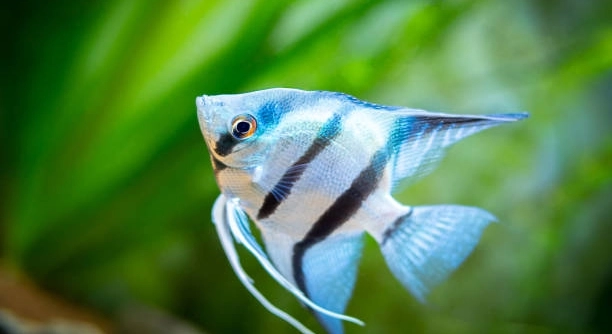
Angelfish are beautiful and graceful creatures that often captivate aquarium enthusiasts. However, when they stay in one spot for an extended period, it can raise concern. Understanding the reasons behind this behavior can help you improve your fish’s well-being.
The main cause of angelfish staying in one spot is stress, often from poor water quality, overcrowding, or incompatible tankmates. These factors can make your fish feel threatened or uncomfortable, leading to a decrease in activity and a tendency to remain stationary.
By addressing these key factors, you can create a more comfortable and healthy environment for your angelfish. This will help them feel safe and encourage normal movement within the tank.
Stress from Poor Water Quality
Angelfish are sensitive to water conditions, and poor water quality can cause them to stay in one spot. Factors like high levels of ammonia, nitrites, or low oxygen can stress your fish. Angelfish need clean, well-filtered water to stay healthy and active. If your fish are constantly in one spot, it’s often a sign that the water may not be up to standard.
Checking your tank’s water parameters regularly is crucial. A consistent water change schedule, proper filtration, and using a water conditioner can prevent water quality issues. Maintaining a stable temperature and pH level is also essential. Inconsistent water conditions can stress your fish, making them more prone to staying in one spot.
Consider investing in a reliable aquarium test kit to monitor ammonia, nitrites, and nitrates. Keeping a steady environment will help your angelfish feel safe and less stressed. A healthy tank leads to a healthier, more active fish.
Overcrowding and Tankmates
Overcrowding can lead to stress for angelfish. They need enough space to swim freely and establish their territories. Too many fish in the tank can make them feel cramped and more likely to stay in one spot to avoid conflict.
If your tank is overcrowded, it can cause aggression or competition for space and resources. This leads to stress, which makes your angelfish less likely to explore or move around. Providing enough space for each fish is key to maintaining a calm environment.
When choosing tankmates, it’s important to select species that won’t threaten or stress out your angelfish. Larger, more aggressive fish may also push your angelfish into corners or keep them stationary. Proper tank size and compatible fish can go a long way in reducing stress.
Temperature Fluctuations
Angelfish thrive in stable temperatures. Significant changes in water temperature can cause stress, which leads to inactivity. If the water is too hot or too cold, they may seek refuge in one spot, hoping to find a more comfortable place.
A good temperature range for angelfish is between 75°F and 82°F. Sudden temperature drops or spikes can make them feel unsafe, prompting them to stay still. Using an aquarium heater with a reliable thermostat can help maintain this range.
If your tank is near windows or doors where temperature changes occur frequently, consider relocating it to a more stable area. Avoid placing heaters directly under filters to prevent uneven heating. A stable temperature promotes comfort and keeps your angelfish active.
Lighting Issues
Excessive or inadequate lighting can affect angelfish behavior. Too much light can stress them out, while too little light may make them lethargic. Finding the right balance in lighting is crucial for their well-being.
Angelfish prefer soft, indirect lighting, as bright, direct light can be overwhelming. Use aquarium lights on a timer to provide consistent day-night cycles, mimicking their natural environment. Consider low-wattage bulbs that won’t cause a sudden burst of intensity in the tank. This will allow your fish to move around freely without feeling overwhelmed.
Too much light can lead to algae growth, further complicating the water quality and stress levels. Proper lighting not only helps angelfish feel safe but also supports a healthy environment overall.
Illness or Injury
Illness or injury can cause angelfish to stay in one spot. If they are unwell or hurt, they often remain stationary, conserving energy while trying to recover. Look for signs like a lack of appetite or faded colors.
If you notice abnormal behavior, it’s important to isolate the fish in a separate tank for observation. This helps prevent further stress and allows you to treat any potential issues quickly. Consult a vet or aquatic specialist for proper treatment.
Early detection and appropriate care can help your angelfish recover and return to its usual behavior of swimming around the tank.
Tank Size
Angelfish need adequate space to thrive. A tank that’s too small can make them feel cramped, leading to stress and inactivity. Ensure the tank is large enough to accommodate your fish comfortably.
A minimum of a 20-gallon tank is recommended for one angelfish. Larger tanks allow for better water quality and more swimming room, which reduces stress and encourages movement. If your tank is overcrowded, consider upgrading to a larger one to provide a healthier environment.
Poor Diet
An improper or unbalanced diet can make angelfish lethargic. They may stay in one spot if they aren’t getting enough nutrients, leading to poor health and inactivity. Make sure their diet includes a variety of food.
Feeding your angelfish a mix of flakes, pellets, and live or frozen foods will keep them healthy and active. Avoid overfeeding, as this can affect water quality. A well-balanced diet provides them with the energy needed to stay active and explore the tank.
FAQ
Why is my angelfish staying at the bottom of the tank?
Angelfish that stay at the bottom of the tank could be experiencing stress or illness. Poor water quality, low oxygen levels, or temperature fluctuations can make them feel uncomfortable, causing them to stay close to the substrate. Check the water parameters and ensure they are within the ideal range. If the issue persists, look for signs of injury or illness and consider isolating the fish for closer observation.
How do I know if my angelfish is stressed?
Stressed angelfish may show signs like hiding, reduced activity, fading colors, or swimming erratically. You might also notice them staying in one spot for long periods. If your angelfish is showing these symptoms, it’s essential to evaluate water quality, tankmates, and environmental factors. Stress can lead to weakened immune systems, making your fish more susceptible to disease.
Can angelfish get lonely?
While angelfish are not particularly social, they do enjoy having tankmates for company. If kept alone, they might seem lethargic or less active. However, they are territorial and can become aggressive toward other fish, so choosing the right tankmates is important. A well-planned tank setup with compatible species can prevent loneliness without causing stress.
How often should I feed my angelfish?
Angelfish should be fed once or twice a day. Overfeeding can lead to poor water quality and health problems. Make sure the food provided is consumed within a few minutes to avoid leftovers that can pollute the water. A balanced diet that includes high-quality flakes, pellets, and occasional live or frozen food is ideal.
Why is my angelfish not eating?
If your angelfish isn’t eating, the cause could be stress, water quality issues, or illness. When fish are stressed or uncomfortable, they may lose their appetite. Check for water imbalances or incompatible tankmates. Illness, like parasites or internal infections, can also cause a loss of appetite, so closely monitor for other symptoms.
What tank size is best for angelfish?
Angelfish require a minimum of a 20-gallon tank for one fish. A larger tank is better, especially if you plan to keep more than one angelfish. A bigger tank gives your fish room to swim, helps maintain better water quality, and reduces territorial disputes. Ensure the tank is properly filtered and has enough space for your angelfish to thrive.
How can I help my angelfish feel more secure?
To help your angelfish feel secure, make sure they have plenty of hiding spots in the tank. Live plants, driftwood, and rocks can provide shelter and reduce stress. Avoid sudden changes in their environment, such as water temperature shifts or moving decorations around frequently. A stable and calm environment will help your fish feel more comfortable.
Are angelfish sensitive to light?
Yes, angelfish are sensitive to light. Bright, harsh lighting can cause them stress and make them more likely to hide or stay in one spot. Use soft, indirect lighting, and avoid keeping the tank lights on for too long. A good day-night cycle, with the lights on for about 10-12 hours a day, will mimic natural conditions and keep your angelfish comfortable.
Can angelfish live with other fish?
Angelfish can live with other fish, but they are territorial and may become aggressive, especially during breeding periods. Choose peaceful tankmates that won’t invade their space or challenge their dominance. Smaller, non-aggressive species like tetras or rasboras usually do well with angelfish. Avoid aggressive or fin-nipping fish that could cause stress.
What should I do if my angelfish is injured?
If your angelfish is injured, it’s important to isolate it in a separate quarantine tank to prevent further stress from other fish. Monitor the injury closely, and if needed, apply a fish-safe antibacterial treatment. Keep the water quality high and avoid handling the injured fish too much, as this can cause additional stress.
Final Thoughts
Angelfish are beautiful and fascinating creatures that can bring a lot of life to an aquarium. However, when they start staying in one spot, it’s a sign that something might be wrong. The reasons for this behavior can range from environmental factors, like temperature fluctuations and water quality, to health issues like illness or injury. Understanding these underlying causes is key to helping your angelfish feel better and become more active again.
Taking steps to improve the environment is one of the best ways to support your angelfish. Regular water changes, maintaining a stable temperature, and ensuring that your tank is properly filtered will help keep your fish healthy. It’s also important to consider their tankmates and make sure they’re not stressed out by aggressive or incompatible species. Offering plenty of hiding spots and making sure the lighting is not too harsh can also contribute to a more comfortable environment for your fish.
Ultimately, by paying attention to the signs and maintaining a good aquarium setup, you can improve your angelfish’s quality of life. Whether it’s adjusting the water parameters, providing a varied diet, or addressing potential health concerns, these small changes can make a big difference. With proper care, your angelfish will not only feel secure but also be able to thrive in its environment.

Hello,
If you enjoy the content that we create, please consider saying a "Thank You!" by leaving a tip.
Every little bit helps us continue crafting quality advice that supports the health, happiness, and well-being of pets around the world, for pets of all shapes, sizes, and species.
We really appreciate the kindness and support that you show us!