
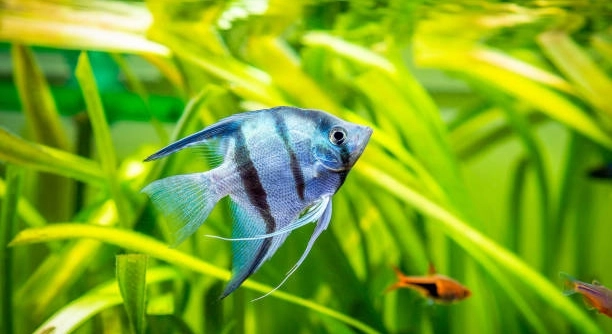
Is your angelfish acting strangely or not moving its fins like it used to? This can be worrying for any fish owner.
The most common reason your angelfish is not using its fins properly is poor water quality. High ammonia or nitrite levels can damage fins and make swimming difficult. Other causes include stress, fin rot, or internal infections.
Identifying the exact cause early on can help improve your angelfish’s condition and prevent further harm to its health.
Poor Water Quality
Angelfish are sensitive to their environment, and dirty or unbalanced water can quickly affect their behavior. When the ammonia, nitrite, or nitrate levels are too high, it can stress your fish and lead to physical problems. One of the first signs is that your angelfish may stop using its fins normally. It might look like it’s struggling to swim, or it may stay in one place more than usual. Regular water changes, using a proper filter, and testing your tank water often are important steps to keep your angelfish healthy. If your fish has been exposed to poor conditions for too long, the damage can take time to heal, and fin function may not return to normal immediately. Use a water conditioner and check for any signs of fin damage, like fraying or discoloration. Taking care of the tank before symptoms show up is always better than treating problems later.
Test your water regularly, especially after feeding or cleaning, to make sure nothing is off balance.
If your angelfish is breathing heavily, hiding often, or showing faded colors along with fin problems, water quality might be the reason. High toxin levels can burn gills and irritate the skin. You can use test strips or liquid test kits to keep an eye on everything. If your test shows high ammonia or nitrites, change 25-50% of the water and treat it right away. Also, avoid overfeeding—uneaten food can decay and throw off the balance. Adding live plants can also help absorb waste naturally. By keeping the water stable, your angelfish can regain strength and start swimming normally again over time.
Stress from Tank Conditions
Poor lighting, sudden movement, or loud noises near the tank can stress your angelfish and cause it to clamp its fins.
Stress weakens a fish’s immune system, and fin behavior is often one of the first signs. If your tank is in a busy area of your home, or if other fish are bullying your angelfish, it may start to show signs of discomfort. Sometimes, incorrect temperature or lack of hiding spots can also cause unease. Angelfish need a stable and peaceful setting to thrive. Their fins may stay close to their bodies when they feel threatened or overstimulated. You might also see them staying near the bottom or hiding behind decorations. A tank with plants, soft lighting, and calm tank mates can make a big difference. Always give new fish time to adjust and avoid tapping the glass. Over time, a calm environment can help bring back natural fin movement.
Illness or Infection
When an angelfish isn’t using its fins properly, illness could be the reason. Common issues include fin rot, parasites, or bacterial infections, which may cause pain, weakness, or stiffness in the fins. Watch for color changes, spots, or tears in the fins.
Fin rot often appears as ragged or shrinking fins with dark edges. It’s usually caused by bacteria or fungus in poor water conditions. Start treatment right away using aquarium-safe medication and improve the tank’s cleanliness. Parasites like flukes can also make your angelfish uncomfortable and affect its movement. You may see your fish rubbing against objects, breathing heavily, or becoming less active. Use a parasite treatment if needed and make sure your water is clean and warm enough. Keep your fish away from others if it’s sick to avoid spreading disease. Catching signs early gives your angelfish the best chance to heal and regain normal fin use.
Sometimes infections don’t show obvious signs, but you might notice your angelfish acting strangely or avoiding swimming. A hidden internal infection can affect its balance and energy, making it harder to move properly. Feeding high-quality food can help support recovery, especially if you add garlic or vitamins. Don’t forget to monitor water temperature, since being too cold or too hot can slow healing. Quarantine tanks are useful when you’re treating a sick fish—it gives them space to rest without stress from others. Continue treatment as directed and avoid stopping early, even if they seem better. Give it time and patience, and you’ll likely see your angelfish begin to move more normally again.
Aggressive Tank Mates
Aggressive fish can chase or nip at your angelfish, causing it to clamp its fins or hide more often. This behavior usually shows up when the angelfish is feeling unsafe or bullied in its space.
Even peaceful tanks can become tense if there’s not enough space or hiding spots. Angelfish do best with calm companions. If they’re constantly being chased or their fins are bitten, they might stop swimming normally. Look for signs like ripped fins or sudden darting. Rearranging the tank layout can break aggressive patterns. Adding plants and decorations gives more shelter and can reduce tension. If the problem continues, you may need to separate aggressive fish. Watching your angelfish closely after introducing new tank mates helps catch problems early. A safe and quiet environment makes a big difference in how comfortable your angelfish feels—and how freely it moves.
Injury from Sharp Objects
Sharp or rough decorations in the tank can damage your angelfish’s fins. Once injured, the fish may avoid using the fin while it heals. Look for broken edges or uneven tears as signs of possible injury.
If you see damage, remove anything that looks sharp or rough. Choose smoother rocks and soft plants instead.
Poor Diet and Nutrition
A poor diet can weaken your angelfish and lead to slow or limited fin movement. Fish that don’t get enough variety or nutrients may show reduced energy and weakened muscles. Offer a balanced diet of flakes, pellets, and frozen foods like brine shrimp or bloodworms. Add supplements if needed, especially during recovery. Avoid overfeeding, as it leads to poor water quality and health problems. Watch how your angelfish eats—slow or picky eating could point to digestive trouble. Feed small amounts twice a day and make sure food isn’t floating around for too long. A strong diet supports both health and natural movement.
Temperature Fluctuations
Sudden changes in water temperature can cause stress, leading to clamped fins or slow swimming. Keep your tank between 76°F and 82°F, and use a reliable heater and thermometer.
FAQ
Why are my angelfish’s fins clamped close to its body?
Clamped fins are often a sign of stress, poor water quality, or illness. If your angelfish is holding its fins tightly against its body, check your water parameters first—especially ammonia, nitrite, and temperature. Make sure there are no aggressive tank mates causing fear. Clamped fins can also come from sudden changes in the environment, such as new decorations, bright lighting, or loud noises nearby. If no external causes are found, illness may be the issue. Look for other symptoms like loss of appetite or spots on the body. Clamped fins should never be ignored, as they often signal discomfort or early sickness.
Can poor water flow affect how my angelfish uses its fins?
Yes, water flow plays a big role in how angelfish swim and rest. If the current in your tank is too strong, it can exhaust them and make it hard for them to move their fins naturally. Angelfish prefer calm or moderately flowing water. When the flow is too powerful, they may stay in corners or behind decorations to avoid it. This can lead to muscle weakness over time if they aren’t able to swim freely. On the other hand, water that’s too still can lower oxygen levels and lead to other health issues. Try adjusting your filter or adding flow control attachments to create a comfortable environment.
Should I separate my angelfish if it’s not using its fins?
Sometimes, yes. If the angelfish is sick or injured, it’s a good idea to place it in a separate tank, also called a quarantine tank. This gives it time to recover without the stress of other fish around. It also protects your other fish from any possible infection. Use water from the main tank to keep conditions similar, and make sure the temperature is stable. Add some gentle filtration and a hiding spot so the fish feels secure. Keep a close eye on its eating, swimming, and breathing. Separation isn’t always needed, but it can help in many cases.
Is it normal for angelfish to rest and not move their fins much?
Yes, but only at certain times. Angelfish sometimes rest near the bottom or in plant cover, especially at night. During these quiet periods, it’s normal for them to move very little and keep their fins still. However, if you notice that your fish is doing this a lot during the day or seems weak, there may be a problem. Keep track of how long the resting behavior lasts and whether it changes over time. If the fish is also not eating or is breathing heavily, that could mean it’s not just resting—it might be sick or stressed.
Can overfeeding affect fin movement?
Definitely. Overfeeding leads to leftover food, which can quickly dirty your tank water. When ammonia and nitrite levels rise, it harms the fish’s health and makes it harder for them to swim properly. Poor digestion can also leave fish feeling bloated or uncomfortable, which reduces movement. If your angelfish seems sluggish or stays at the bottom after eating, try feeding less and more slowly. Remove uneaten food within a few minutes. A small amount twice a day is usually enough for adult angelfish. Keeping a feeding schedule helps avoid overfeeding and supports steady movement and energy.
How long does it take for an angelfish to recover normal fin use?
Recovery time depends on what caused the issue. For minor stress or injury, fins may return to normal in a few days with clean water and a peaceful tank. For illness or infection, it might take one to two weeks of treatment and care. Healing can be slower if water conditions don’t improve or if the fish is still stressed. Always follow the full course of any treatment you start, even if your fish looks better before it’s done. Patience and consistent care are important for full recovery. Monitor progress and don’t rush changes in the tank.
What are early signs of fin trouble in angelfish?
Look for slight fraying, dull color, or clamped fins. You might also notice the fish swimming differently, like leaning to one side or struggling to stay balanced. If the fins look smaller than usual or have dark edges, something may be wrong. Early signs can be easy to miss, so observing your fish every day helps you catch issues early. Also watch for behavior changes—if your angelfish becomes less active or hides more, it’s worth checking tank conditions and other possible causes. Quick action can stop small problems from turning into bigger ones.
Final Thoughts
Taking care of angelfish means paying close attention to how they move and behave. When an angelfish is not using its fins properly, it’s often a sign that something isn’t right. It might be something as simple as a water change being overdue, or it could be more serious like illness or injury. The important thing is not to ignore it. Fins are not just for swimming—they’re a good way to tell how your angelfish is feeling overall. If your fish is clamping its fins, staying in one spot, or avoiding movement, it’s time to take a closer look at the tank and its health.
Each cause mentioned earlier—poor water quality, stress, aggressive tank mates, injuries, temperature changes, diet, and illness—can make your angelfish uncomfortable and less likely to move its fins freely. That’s why keeping your tank clean, checking your water levels often, and feeding your fish well are all key parts of good care. It doesn’t have to be complicated. Simple, steady routines can help prevent many problems. Watching your angelfish every day can also help you spot small changes before they turn into bigger ones. Many issues can be reversed or treated if they’re caught early enough.
There’s no one-size-fits-all answer when it comes to fixing fin problems, but being patient and staying consistent can really help. Always make changes slowly so your fish has time to adjust. Whether it’s adjusting tank flow, rearranging decorations, or treating an illness, small steps can lead to big improvements over time. Most importantly, don’t get discouraged if things don’t get better right away. Angelfish are tough and often bounce back with the right care. Keeping their environment calm, safe, and clean goes a long way. With attention and care, your angelfish can return to moving with ease, showing off its fins the way it’s meant to.

Hello,
If you enjoy the content that we create, please consider saying a "Thank You!" by leaving a tip.
Every little bit helps us continue crafting quality advice that supports the health, happiness, and well-being of pets around the world, for pets of all shapes, sizes, and species.
We really appreciate the kindness and support that you show us!