
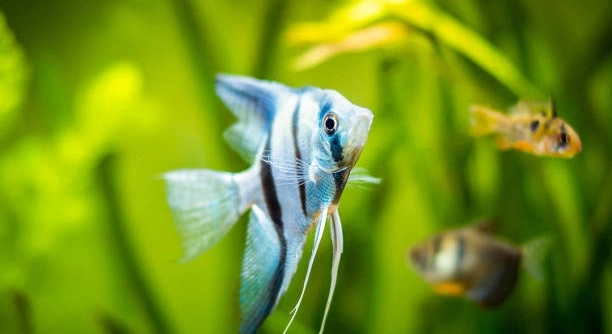
Angelfish are beautiful and peaceful creatures, but sometimes, they struggle to recognize their tank mates. Understanding why this happens can help ensure harmony in your aquarium. There are several factors that may be influencing this behavior.
The most common reasons why your angelfish may not recognize its tank mates are due to stress, illness, or an improper environment. Stress from tank overcrowding, poor water conditions, or incompatible tank mates can cause them to behave aggressively or shy away.
Recognizing the signs and adjusting your tank setup can make a big difference. Learning about the causes behind this behavior is key to restoring balance and ensuring your fish live happily together.
Stress from Overcrowding or Poor Tank Conditions
Angelfish thrive in environments where they feel safe and comfortable. When there are too many fish in the tank or the water quality is poor, it can create a lot of stress for your angelfish. Overcrowding often leads to territorial disputes, which can cause the angelfish to be more defensive and less likely to interact with other tank mates. Water quality also plays a big role. If ammonia or nitrites are too high, fish become stressed and less active. It is important to maintain a proper fish-to-tank ratio and regularly check water parameters like pH, hardness, and temperature to keep the tank stable.
Angelfish that feel threatened by overcrowding may refuse to acknowledge other fish. This can lead to aggression or avoidance behaviors.
A good rule of thumb is to ensure each fish has enough space to swim freely. Investing in a reliable filtration system, doing regular water changes, and removing any excess waste or uneaten food will keep your angelfish calm and more likely to interact with their tank mates.
Illness or Injury
If your angelfish is sick or injured, it may not recognize its tank mates as it usually would. When fish are feeling unwell, they tend to isolate themselves or become aggressive toward other fish. Injuries and infections can cause them to lose focus on their surroundings and their social behavior may suffer. Illnesses like swim bladder disorder or external parasites can also create discomfort, affecting how they interact with their environment.
In such cases, the best approach is to quarantine the sick fish and treat it separately from the rest of the tank.
Make sure to keep the water clean, check for any visible signs of illness, and provide food that is easy for the fish to eat. Regularly monitor your fish’s behavior and appearance to catch any signs of illness early. If the condition persists, seek advice from an aquarium specialist or vet.
Poor Tank Mate Compatibility
Not all fish get along well together, and this can lead to your angelfish avoiding or even fighting with certain tank mates. Some species are naturally more aggressive, which can make your angelfish feel threatened. Fish that are too active, large, or territorial may intimidate them.
To ensure harmony, choose peaceful tank mates that share similar water condition needs. Researching each species’ temperament and size is essential. Angelfish do best with other calm, non-territorial fish that won’t invade their space or disrupt their behavior. Consider species like tetras or other community fish that won’t cause stress.
Introducing new fish too quickly can cause confusion and territorial disputes. Always monitor interactions closely after adding new fish. If aggression occurs, it’s important to separate the more aggressive species or reconsider your tank mates entirely to prevent long-term stress for your angelfish.
Lack of Hiding Spots or Tank Enrichment
Angelfish can feel unsafe or stressed in tanks with no hiding spots or decorations. Without plants, rocks, or other structures, fish may have nowhere to retreat when they feel threatened. This lack of cover can increase stress and cause the angelfish to act aggressively or avoid interactions with other fish.
A well-decorated tank provides essential hiding spaces, allowing fish to feel secure and reduce stress. Soft plants, caves, and driftwood can create natural shelters where angelfish can retreat. Adding these elements helps mimic their natural environment, where they have the freedom to explore and take refuge.
Decorations also make the tank more visually appealing, adding enrichment and stimulating natural behaviors. Ensure there are enough spaces for all fish, so none feel trapped or overwhelmed. With the right setup, your angelfish will be more likely to coexist peacefully with other species in the tank.
Wrong Tank Size
Angelfish need enough space to move around freely. If your tank is too small, it can cause your angelfish to feel cramped and stressed, making it harder for them to interact with other fish. A tank that’s too small can lead to territorial issues and aggression.
A tank that’s at least 30 gallons is ideal for a pair of angelfish. The more space they have, the more relaxed they’ll be, which makes it easier for them to share the space with other fish. Keeping the tank spacious prevents overcrowding, making your fish less likely to become territorial.
Water Temperature or pH Issues
Angelfish thrive in specific water conditions, and if those are not met, they may act differently toward other fish. Angelfish prefer a water temperature between 76-82°F and a slightly acidic pH of 6.8 to 7.8. Deviations can cause stress.
Monitoring and adjusting the water parameters regularly can help keep your fish comfortable. Fish are sensitive to changes in temperature and pH, so using a reliable thermometer and pH meter is essential. Stress from incorrect conditions can make your angelfish more likely to ignore or even attack other tank mates.
Feeding Habits
When angelfish are not well-fed or are fed irregularly, they may become more focused on food than on their tank mates. This can cause them to act aggressively toward other fish during feeding times or avoid social interactions altogether.
Ensure your angelfish is getting a balanced diet and is fed regularly to prevent hunger-driven aggression. Overfeeding can also lead to waste buildup, impacting water quality. Proper feeding habits will reduce stress and allow your angelfish to feel more comfortable with other fish in the tank.
FAQ
Why is my angelfish not recognizing its tank mates?
Angelfish may not recognize their tank mates for several reasons, including stress from overcrowding, poor water conditions, or illness. If the environment isn’t ideal, they can become more reclusive or aggressive, ignoring other fish. Other causes can be incompatible tank mates or a lack of hiding spots that make them feel unsafe.
Can angelfish live with other species?
Yes, angelfish can live with other species, but it’s important to choose peaceful, non-territorial fish. Angelfish do well with species like tetras, corydoras catfish, and small gouramis. Avoid tank mates that are too large, fast-moving, or aggressive. Keep in mind that even peaceful fish may become aggressive if stressed.
How can I reduce stress in my angelfish?
To reduce stress, make sure the tank is large enough for all the fish, provide plenty of hiding spots, and maintain clean water. Regular water changes, proper filtration, and monitoring the water temperature and pH are essential. Keeping the tank calm with compatible tank mates will also help.
What should I do if my angelfish is being aggressive?
If your angelfish is being aggressive, try separating it from any problematic tank mates. You may need to rearrange decorations to disrupt territorial claims and reduce stress. Ensure the tank is spacious enough for the fish and check that water conditions are ideal. If aggression continues, consider changing the fish community.
How often should I feed my angelfish?
Feed your angelfish once or twice a day, offering a balanced diet of high-quality flake, pellet, or frozen foods. Avoid overfeeding, as this can lead to poor water quality and stress. Ensure your fish can finish their food in 2-3 minutes to prevent waste buildup.
Can poor water quality affect my angelfish’s behavior?
Yes, poor water quality can stress angelfish, leading to aggression, hiding, or even illness. Keeping ammonia, nitrite, and nitrate levels in check is crucial. Regular water changes and a good filtration system will help maintain healthy water conditions, ensuring your angelfish behaves normally and stays healthy.
Do angelfish get along with other angelfish?
Angelfish can get along with other angelfish, especially if there’s enough space in the tank. However, they can become territorial, especially during breeding. Having a large tank with multiple hiding spots will help reduce conflicts. In smaller tanks, aggression between angelfish may be more common.
Can I add new fish to the tank with my angelfish?
Adding new fish to the tank should be done gradually and carefully. Quarantine new fish for a week to prevent introducing diseases. Make sure new fish are compatible in terms of size, temperament, and water requirements. Introducing fish slowly can help your angelfish adjust to the new tankmates.
How do I know if my angelfish is stressed?
Signs of stress in angelfish include hiding more than usual, lethargy, loss of appetite, or unusual swimming behavior. You may also notice rapid gill movement or clamped fins. If you observe these signs, check the water conditions, reduce overcrowding, and consider removing any aggressive tank mates.
Can angelfish live with bettas?
Bettas are typically aggressive and territorial, especially males, so it’s not recommended to keep them with angelfish. While some people may have success, the risk of aggression and stress is high. If you do decide to try, ensure there’s plenty of space and hiding spots for both species to reduce conflicts.
What size tank do I need for angelfish?
For a pair of angelfish, a minimum of 30 gallons is recommended. The more fish you have, the larger the tank should be. Angelfish are relatively peaceful but need space to swim and establish territory. A larger tank also helps maintain stable water conditions.
How do I ensure my angelfish stays healthy?
Maintaining a healthy tank environment is key. Regular water changes, stable water parameters, a balanced diet, and avoiding overcrowding will keep your angelfish in top condition. Watch for signs of illness, such as changes in behavior or physical appearance, and address any issues promptly.
Can angelfish get along with goldfish?
Goldfish prefer colder water temperatures, while angelfish thrive in warmer conditions. This makes it difficult to keep them together successfully. Additionally, goldfish may be too large or too fast for angelfish, leading to stress or aggressive behavior. It’s best to keep these two species in separate tanks.
How can I improve my angelfish’s tank environment?
To improve your angelfish’s environment, add plants, rocks, and other decorations to provide hiding spots. Ensure the water is clean, with a proper filtration system. Avoid overcrowding and maintain stable temperature and pH levels. A well-maintained tank will make your angelfish feel more secure and reduce stress.
Are angelfish good for beginners?
Angelfish are relatively easy to care for but do require some experience. They need specific water conditions and enough space to thrive. Beginners should ensure they can meet these needs and be prepared to maintain the tank regularly. If these requirements are met, angelfish can be a great addition to any aquarium.
Final Thoughts
Taking care of angelfish involves understanding their needs and behaviors to ensure they live harmoniously with their tank mates. While they are generally peaceful and beautiful fish, they can sometimes act aggressively or become stressed. Several factors, such as overcrowding, poor water quality, or incompatible tank mates, can contribute to these issues. By creating the right environment, including a spacious tank with clean water and suitable decorations, you can help your angelfish feel more comfortable and less likely to avoid or fight with other fish.
Choosing the right tank mates is also essential. Angelfish do best with other calm, peaceful species that won’t cause stress or territorial disputes. It’s important to avoid species that are too large, aggressive, or fast-moving, as these can make your angelfish feel threatened. Additionally, keeping the tank well-maintained with good filtration, regular water changes, and monitoring temperature and pH levels will go a long way in preventing stress. Fish that feel safe are more likely to interact positively with each other, creating a peaceful tank environment.
In the end, understanding and addressing the causes behind your angelfish’s behavior is key. Whether it’s adjusting their diet, providing hiding spots, or improving water quality, small changes can have a significant impact. By paying attention to your fish’s needs and being patient, you’ll be able to create a healthy and balanced aquarium where your angelfish can thrive alongside their tank mates.

Hello,
If you enjoy the content that we create, please consider saying a "Thank You!" by leaving a tip.
Every little bit helps us continue crafting quality advice that supports the health, happiness, and well-being of pets around the world, for pets of all shapes, sizes, and species.
We really appreciate the kindness and support that you show us!