
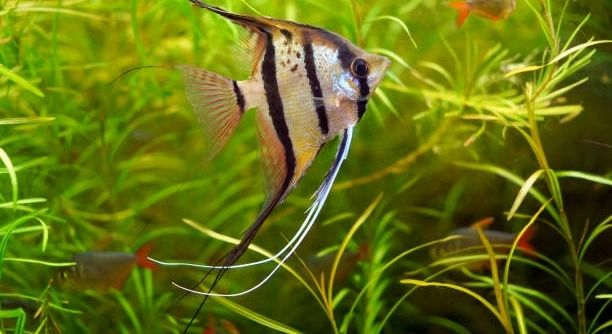
Moving your angelfish to a new tank or environment can be a stressful experience for them. One common issue after the move is a loss of appetite. Understanding why your angelfish isn’t eating can help you address the problem quickly.
The most common reasons your angelfish may not be eating after a move are stress, changes in water conditions, or a lack of proper acclimation. A sudden shift in their environment can cause anxiety, affecting their eating habits.
These factors can have a significant impact on their health. By recognizing the causes, you can improve their comfort and help restore their appetite.
Stress from the Move
Moving can be stressful for angelfish, and this can affect their eating habits. When they are placed in a new tank or environment, they need time to adjust. This change often leads to anxiety, which can make them feel insecure or overwhelmed. The unfamiliar surroundings, different tank mates, and new equipment can contribute to this stress.
Stress in fish typically causes them to hide or act differently. Angelfish may become shy and retreat to darker corners of the tank, making them less likely to explore their food. You may notice them swimming in circles or staying close to the bottom of the tank.
If the stress isn’t addressed, it can cause long-term health issues. Creating a stable and quiet environment will help your angelfish relax and feel more comfortable. You can minimize stress by reducing loud noises, sudden movements, and keeping their tank environment as close to their previous one as possible.
Changes in Water Conditions
Water quality plays a big role in your angelfish’s appetite.
Changes in temperature, pH, or hardness can make your angelfish reluctant to eat. When you move them, it’s important to ensure the water parameters match those of the previous tank. A drastic shift can lead to discomfort, and they may refuse food as a result.
Fish are very sensitive to water conditions, and any fluctuation in the environment can make them feel unwell. Angelfish prefer stable water conditions that mimic their natural habitat. If they’re not happy with the water, they may stop eating. Make sure to monitor the water and adjust it to fit their needs.
Maintaining consistent water quality is essential to their overall health and well-being. Regular testing of parameters like ammonia, nitrate, and nitrite levels will ensure that the water remains safe and conducive to your angelfish’s comfort.
Incorrect Acclimation
Acclimation is the process of slowly introducing your angelfish to their new environment. If the move was sudden, they might not have had time to adjust properly. This can cause stress and prevent them from eating.
Acclimating your angelfish to a new tank is crucial. Start by floating the bag or container with the fish in the new tank, allowing the water temperature to stabilize. Gradually add small amounts of the new tank water into the container over the course of 30 minutes to an hour. This slow process helps your angelfish adjust to the new water conditions.
If acclimation is rushed, they could experience temperature shock or other stress-related issues, leading to a loss of appetite. By being patient and allowing your fish time to adjust, you’ll help them feel more comfortable and avoid future feeding problems. This step is essential for ensuring they thrive in their new home.
Tank Size and Space Issues
Angelfish need space to feel comfortable. A cramped tank or one with too many fish can make them feel stressed and less likely to eat. When angelfish are moved to a smaller or overcrowded tank, it can disrupt their normal behavior.
Overcrowding is a major issue. It limits the amount of swimming space and increases aggression, which makes your angelfish anxious. If they’re constantly hiding or avoiding other fish, they’ll be less interested in food. Inadequate space can also result in poor water quality, making the situation worse.
To avoid this, ensure that your tank is large enough for your angelfish to swim freely and that they have their own space. A 30-gallon tank is ideal for a pair of angelfish. More room gives them the opportunity to adjust and find a comfortable spot in their new environment.
Feeding Habits and Food Preferences
After a move, angelfish might be picky about what they eat, especially if their usual food isn’t available. They may need time to get used to different types of food.
If the food you’re offering is unfamiliar or of poor quality, your angelfish will likely refuse to eat it. Angelfish are not only picky eaters but also enjoy variety. If their regular diet has been disrupted, they may avoid eating altogether. It’s important to offer a selection of foods like flakes, pellets, and live or frozen options to tempt them.
Gradually introducing new food or returning to familiar options can encourage your angelfish to eat. Make sure the food is appropriate for their size and nutritional needs. Avoid overfeeding, as this can quickly foul the water and create further issues with the tank’s conditions.
Illness or Injury
If your angelfish isn’t eating after a move, it could be sick or injured. Stress from the transition can make underlying health issues more apparent, preventing them from eating. Watch for signs of illness, such as unusual swimming patterns or visible injuries.
Health problems can go unnoticed during the move. Fish that are weak or stressed are more susceptible to disease, and this can lead to loss of appetite. Common issues like fin rot or internal parasites might also affect their eating. If you notice any signs, consult a vet or aquarium expert.
A thorough health check can help determine if there’s an underlying issue. Quarantining the fish in a separate tank while treating them can help reduce the spread of illness and give them the chance to recover in peace.
Tank Mates
The presence of aggressive or territorial tank mates can make your angelfish feel threatened. A peaceful environment is crucial for their well-being, and stress from other fish can lead to loss of appetite.
When choosing tank mates for angelfish, it’s important to select species that are calm and won’t intimidate them. Angelfish are generally peaceful but can become stressed if they feel threatened by more aggressive species. Monitor their interactions and remove aggressive fish if needed.
Tank mates that are overly competitive for food can also impact your angelfish’s eating habits. It’s essential to maintain a balanced community where all fish have enough space and food to avoid stress and feeding issues.
FAQ
Why isn’t my angelfish eating after a move?
There are several reasons why your angelfish may not be eating after a move. Stress is one of the main causes, as the change in environment can make them anxious. The water conditions may also have changed, which could affect their appetite. Additionally, if the acclimation process wasn’t done properly or the tank is overcrowded, it can contribute to their reluctance to eat. Angelfish are sensitive to changes, and it may take them time to adjust to their new surroundings.
How long can my angelfish go without eating?
Angelfish can survive for a few days without eating, but it’s not ideal. Going without food for an extended period can weaken their immune system and affect their health. If your angelfish hasn’t eaten for more than a few days, it’s important to check their tank conditions and ensure that everything is in order. If stress, illness, or water quality is the issue, addressing it quickly can help them start eating again.
Can water temperature affect my angelfish’s appetite?
Yes, water temperature plays a big role in your angelfish’s eating habits. Angelfish are tropical fish that prefer warm water, typically between 76°F and 82°F (24°C to 28°C). If the water is too cold or fluctuates too much, it can cause stress and make your angelfish less likely to eat. It’s important to maintain a stable temperature to help your fish feel comfortable and encourage them to eat.
Can poor water quality cause my angelfish to stop eating?
Yes, poor water quality is one of the most common reasons why angelfish stop eating. Ammonia, nitrites, and high nitrate levels can all lead to water that is unsafe for your fish, making them feel stressed or unwell. It’s crucial to regularly test the water for these parameters and make sure the tank is properly filtered. Clean, safe water is key to maintaining healthy, active fish that will eat regularly.
How can I reduce stress for my angelfish?
To reduce stress for your angelfish, try to provide a peaceful and stable environment. Make sure the tank is properly sized with enough space for your fish to swim freely. Avoid sudden changes in water temperature, light, or tankmates. Adding hiding spots like plants or decorations can also help them feel safe. Reducing noise and handling around the tank can further help them relax.
What should I do if my angelfish is not eating and seems sick?
If your angelfish is not eating and appears sick, check for any visible signs of illness such as faded colors, damaged fins, or unusual swimming behavior. It’s important to check water quality and temperature to make sure the environment is optimal. If you suspect a health issue, you may need to isolate the fish in a quarantine tank and treat for common diseases. Consulting a vet or aquarium expert can provide you with specific advice on how to treat the issue.
Can I try different types of food to get my angelfish eating?
Yes, offering different types of food can help stimulate your angelfish’s appetite. If they are used to one type of food and are not interested in it after a move, they may be more inclined to try something new. Offer a variety of foods like flakes, pellets, live food, and frozen options. Make sure the food is of good quality and appropriate for their size and nutritional needs. Avoid overfeeding, as this can affect water quality and make the situation worse.
Is it normal for my angelfish to hide after a move?
Yes, it is normal for angelfish to hide after a move. They may be feeling stressed and need time to adjust to their new environment. It’s important to give them space and not force them to come out. Over time, as they feel more secure, they will likely begin to explore the tank and may start eating again. Providing hiding spots like plants or rocks can help them feel safe and less stressed.
How do I properly acclimate my angelfish to a new tank?
Proper acclimation is essential to prevent stress. When moving your angelfish to a new tank, start by floating the bag or container in the new tank to equalize the water temperature. Gradually add small amounts of the new tank’s water into the bag over 30 to 60 minutes to help your angelfish adjust to the water chemistry. Avoid rushing this process, as quick changes can cause shock. Once acclimated, gently release your angelfish into the new tank.
What should I do if my angelfish is being bullied by other fish?
If your angelfish is being bullied by other tankmates, it’s important to intervene to reduce stress and prevent injury. You can try removing the aggressive fish and placing them in a separate tank or rearranging the decorations to disrupt territorial behavior. It’s also helpful to ensure your angelfish has enough hiding places where they can retreat and feel safe. If the bullying continues, consider finding a more peaceful community of fish that won’t stress your angelfish.
Final Thoughts
Dealing with an angelfish that isn’t eating after a move can be frustrating, but it’s important to remember that this behavior is often temporary. Fish are sensitive creatures, and the changes in their environment can lead to stress that affects their eating habits. By understanding the possible causes and addressing them, you can help your angelfish adjust and get back to their normal eating routine. The key is to create a stable environment where they feel safe and secure.
It’s important to take small steps to ensure the water quality is optimal, as poor water conditions can make your angelfish reluctant to eat. Make sure to test the water regularly for ammonia, nitrate, and nitrite levels, and keep the temperature within the recommended range. A proper acclimation process can also play a significant role in reducing stress. If your fish were moved too quickly or experienced sudden changes, taking the time to slow down and properly acclimate them can help in the long run.
Patience is key when it comes to angelfish after a move. Stress, water conditions, and other factors can all cause them to stop eating temporarily, but with a little time and attention, they will usually start eating again. If the problem persists for an extended period, it’s always a good idea to check for signs of illness or injury and consult an aquarium expert. Taking care of your angelfish’s needs and ensuring a calm, healthy environment will help them thrive in their new home.

Hello,
If you enjoy the content that we create, please consider saying a "Thank You!" by leaving a tip.
Every little bit helps us continue crafting quality advice that supports the health, happiness, and well-being of pets around the world, for pets of all shapes, sizes, and species.
We really appreciate the kindness and support that you show us!